The 158th Anniversary of The Battle of Gettysburg

by Guest Author: Tara Ross

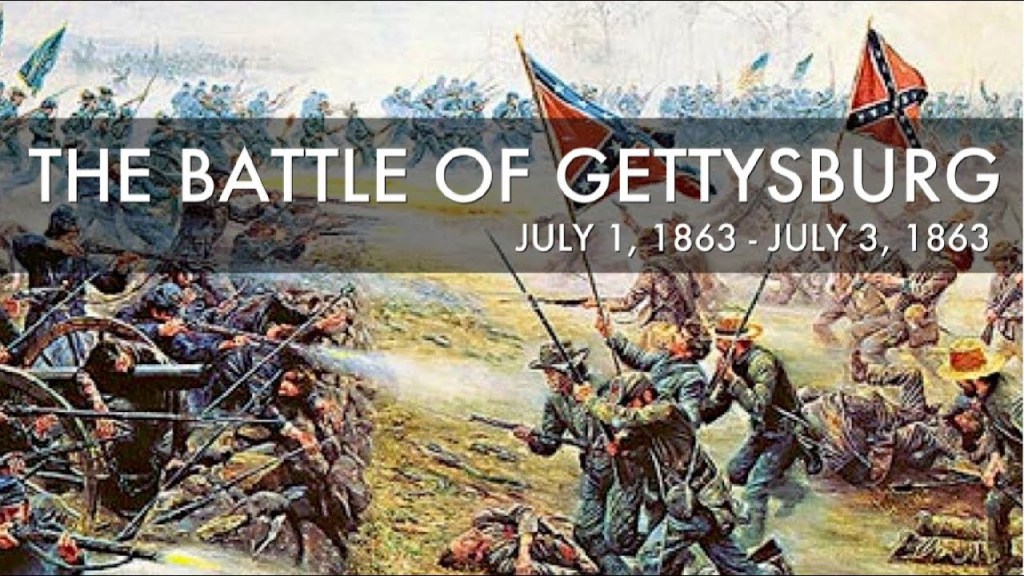
On this day in 1863, the Battle of Gettysburg begins. Our nation should have been celebrating its 87th birthday that week. Instead, we were engaged in a brutal, 3-day battle that would end with as many as 51,000 dead or wounded.

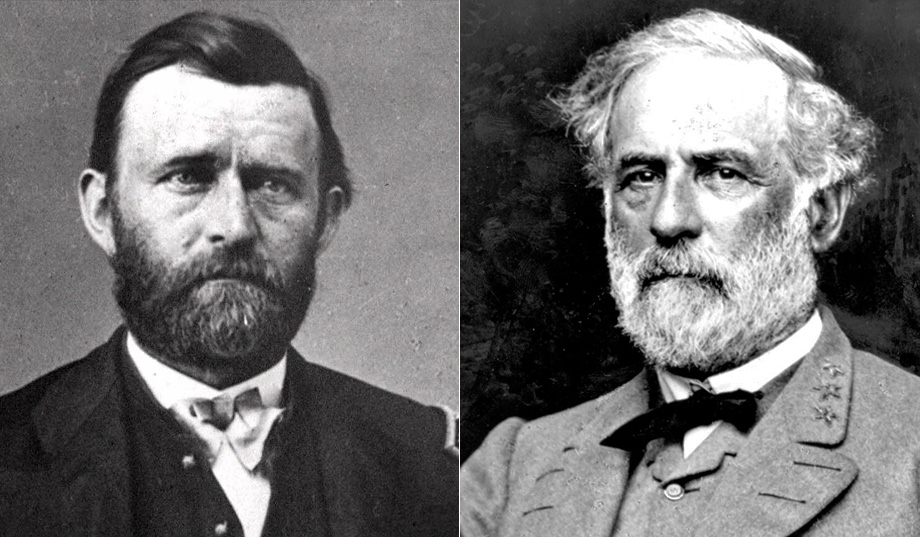
At the time, Confederate General Robert E. Lee was fresh off a victory at the Battle of Chancellorsville in Virginia. He decided to head to Pennsylvania, with the intent of collecting more supplies. He also had another goal: Some northerners wanted out of the war. Perhaps he could encourage that sentiment by moving the fight to their own backyards.

In the meantime, newly appointed Major General George Meade led the Union army toward Lee’s troops. The two sides ended up clashing in Gettysburg when Confederate infantry ran into some Union cavalry, more or less by chance. The situation quickly took a serious tone, because Union commanders did not want to lose the town. Many roads converged there.

The fighting was intense. Confederate troops drove the Union cavalry down the streets of Gettysburg, pushing them back toward Cemetery Hill. At this point, Major General Richard Ewell made a choice that may have cost the Confederate army a victory. It was the end of a long day of fighting, and Lee had given him some discretion in the matter. Upon seeing Union artillery at the top of the hill, he declined to pursue the attack further. He thus failed to capture an important position before the first day of fighting came to a close.

More reinforcements arrived that evening. The fighting that had begun on July 1 continued into a second day. Then it continued into a third day. The battle finally swung decisively in favor of the Union army when the Confederate army launched an attack at the center of the Union lines. At least 12,000 Confederate soldiers marched across an open field in the attack known as Pickett’s charge. That attack lasted about an hour and ended miserably for the Confederate side. Half of the Confederate soldiers were lost, and the army soon began a hasty retreat toward Virginia.

Meade declined to pursue Lee, perhaps echoing the mistake that Ewell had made two days earlier. Some speculate that Meade could have ended the war then and there, if only he had taken up the pursuit. Abraham Lincoln certainly thought so. He wrote a letter to Meade (although he never sent it).

Lincoln wrote: “Again, my dear general, I do not believe you appreciate the magnitude of the misfortune involved in Lee’s escape—He was within your easy grasp, and to have closed upon him would, in connection with our other late successes, have ended the war—As it is, the war will be prolonged indefinitely.”

The aftermath of the battle was gruesome. One teenage girl, a resident of Gettysburg, later recounted what she saw:

“I fairly shrank back aghast at the awful sight presented. The approaches were crowded with wounded, dying and dead. The air was filled with moanings, and groanings. . . . [A]mputating benches had been placed about the house. I must have become inured to seeing the terrors of battle, else I could hardly have gazed upon the scenes now presented. . . . To the south of the house, and just outside of the yard, I noticed a pile of limbs higher than the fence. It was a ghastly sight! Gazing upon these, too often the trophies of the amputating bench, I could have no other feeling, than that the whole scene was one of cruel butchery.”

Only a few months later, the Gettysburg Address would be given on this battlefield. “The brave men,” Lincoln stated, “living and dead, who struggled here, have consecrated it, far above our poor power to add or detract. . . . we here highly resolve that these dead shall not have died in vain—that this nation, under God, shall have a new birth of freedom—and that government of the people, by the people, for the people, shall not perish from the earth.”

It’s a resolve that bears repeating, isn’t it?


EDITOR’S NOTE:

Guest author, Tara Ross, is a mother, wife, writer, and retired lawyer. She is the author of The Indispensable Electoral College: How the Founders’ Plan Saves Our Country from Mob Rule,Enlightened Democracy: The Case for the Electoral College, co-author of Under God: George Washington and the Question of Church and State (with Joseph C. Smith, Jr.), & We Elect A President: The Story of our Electoral College. She is a constitutionalist, but with a definite libertarian streak! Stay tuned here for updates on pretty much anything to do with the Electoral College, George Washington, & our wonderfully rich American heritage.

History posts are copyright © 2013-2020 by Tara Ross. Please use the share feature instead of cutting/pasting.

#TDIH#OTD#AmericanHistory#USHistory#liberty#freedom#ShareTheHistory

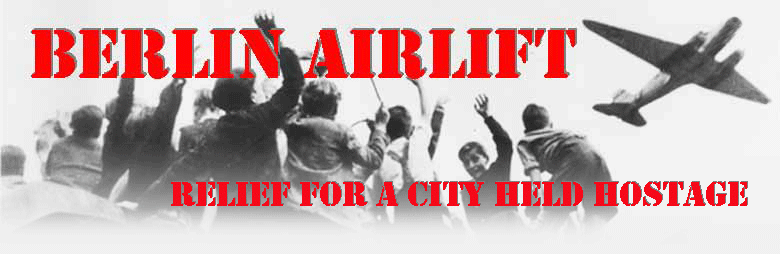
The Berlin Airlift Began 73 Years Ago This Week

by HB Auld, Jr.

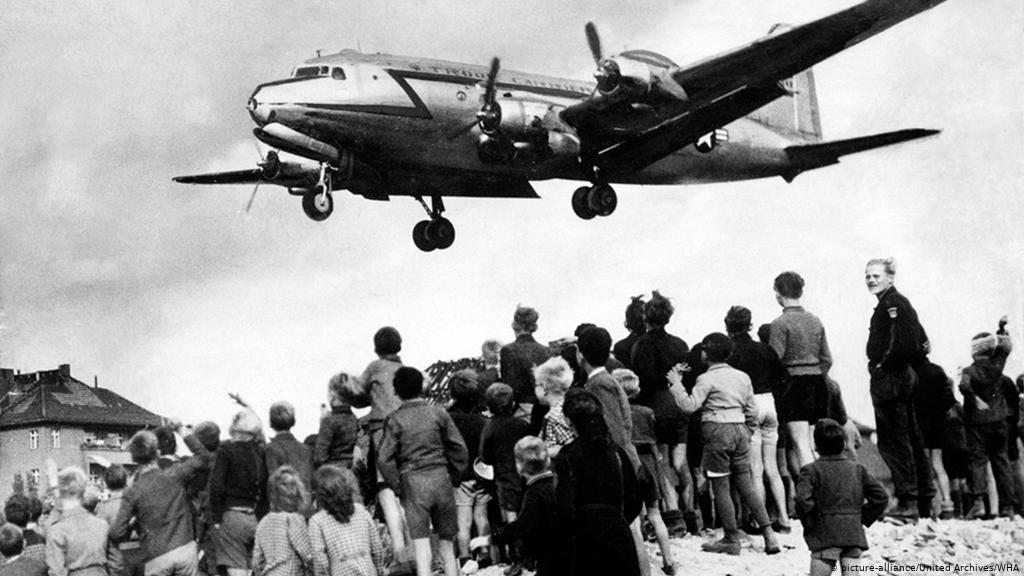
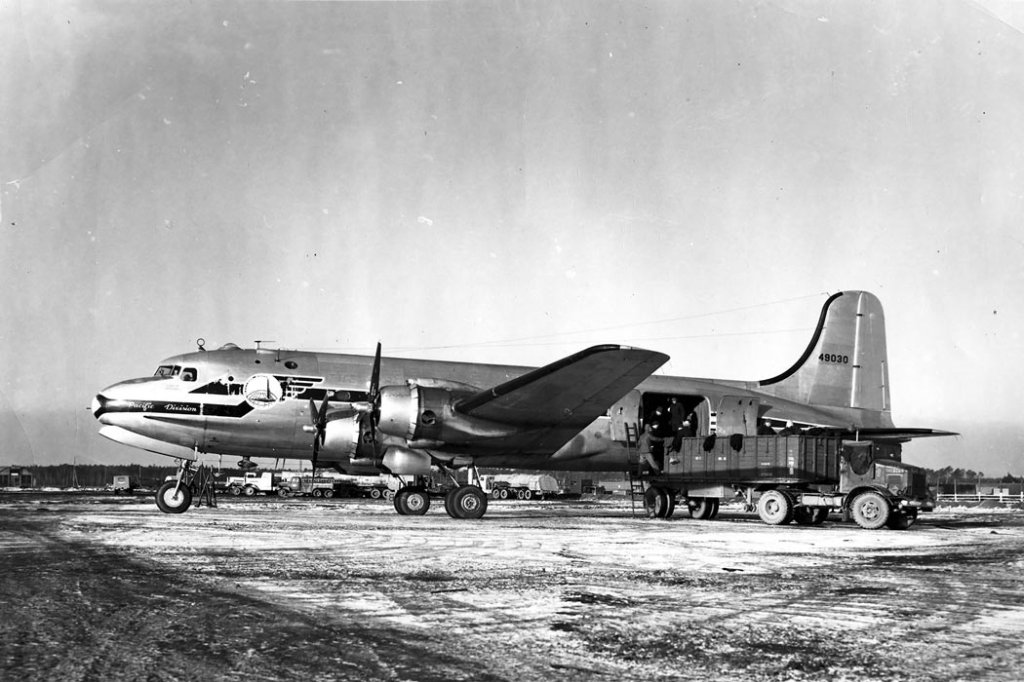
Seventy-three years ago this week on June 26, 1948, the United States began the Berlin Airlift. The Lift was instituted to deliver food and supplies to a beleaguered Berlin, blockaded by the Soviet Union following World War II.

Berlin was located in the Soviet Sector of Germany after the War, but the city was divided into four sections (Soviets, US, British, and ultimately France). The Soviets wanted the other Allies OUT of Berlin and blockaded the entire city, cutting off all land and sea routes to the city in an attempt to force the Allies to evacuate Berlin. Many Americans wanted a military response, but President Harry S. Truman resisted, fearing another world war, this time against Josef Stalin.

Instead, President Truman began an airlift of supplies to the city, with US Navy and Air Force pilots each flying two round trips into the city daily. This went on until September, 1949, even though the Soviets lifted their blockade in May, 1949. All-in-all, allied pilots from Great Britain and West Germany delivered more than two million tons of cargo during the Berlin Airlift.

The Soviets were not through, however. They built the Berlin Wall separating East and West Germany in 1961. It lasted until it was torn down in 1989, leading to the collapse of the Soviet Union in 1991.

On a personal note, my great-uncle George Franklin Hargis’s son, USAF First Lieutenant Frank Hargis, was killed December 5, 1948, when his plane crashed on take-off from the British Zone during one of these mercy flights. Eleven years later in May, 1959, his mother, Mrs. Euzelia Hargis, went to Berlin to attend a tribute to her son, Frank, and the others killed in the crash (see article and photo above).


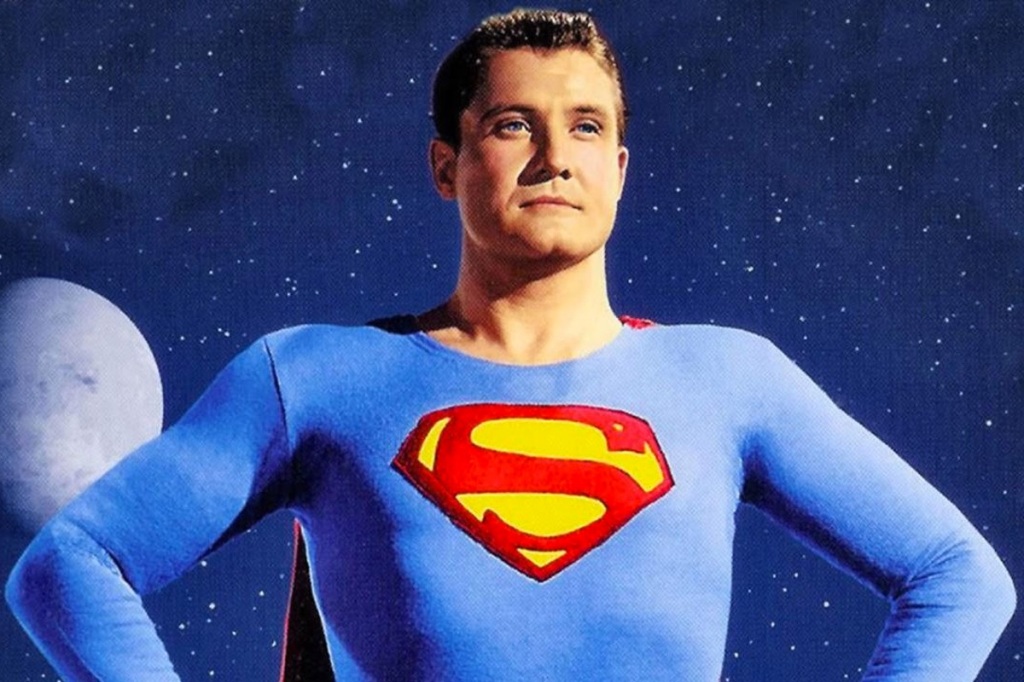
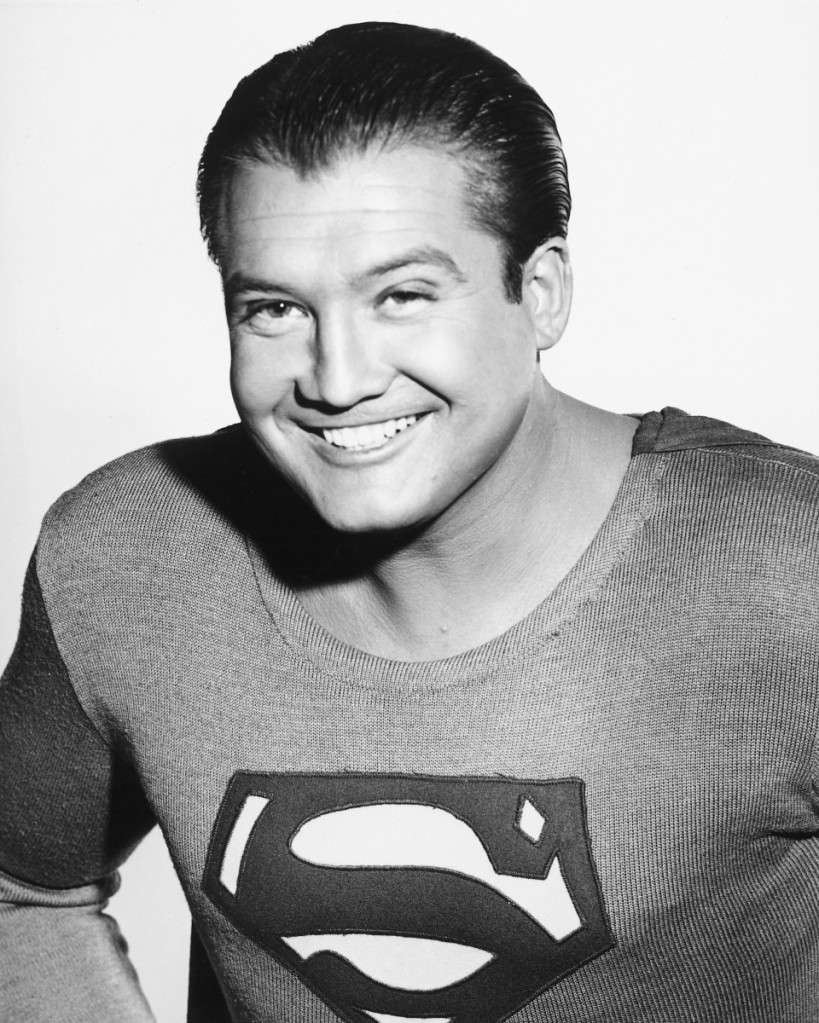
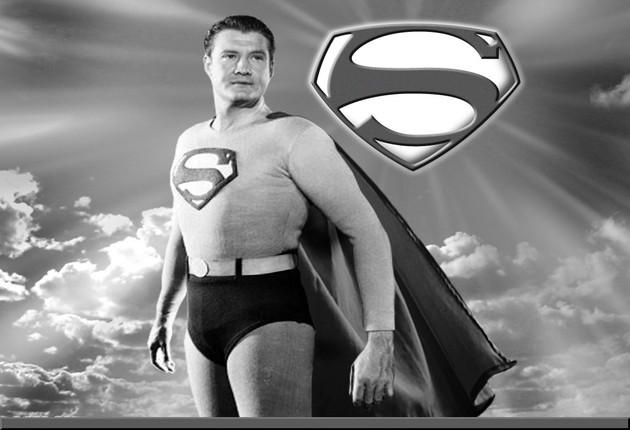
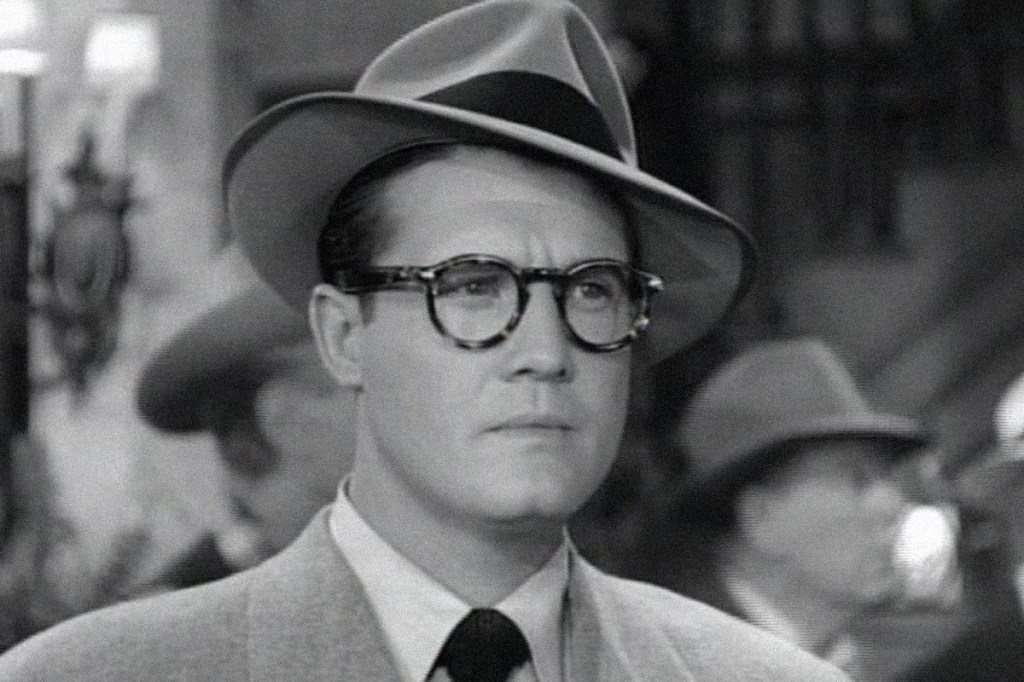
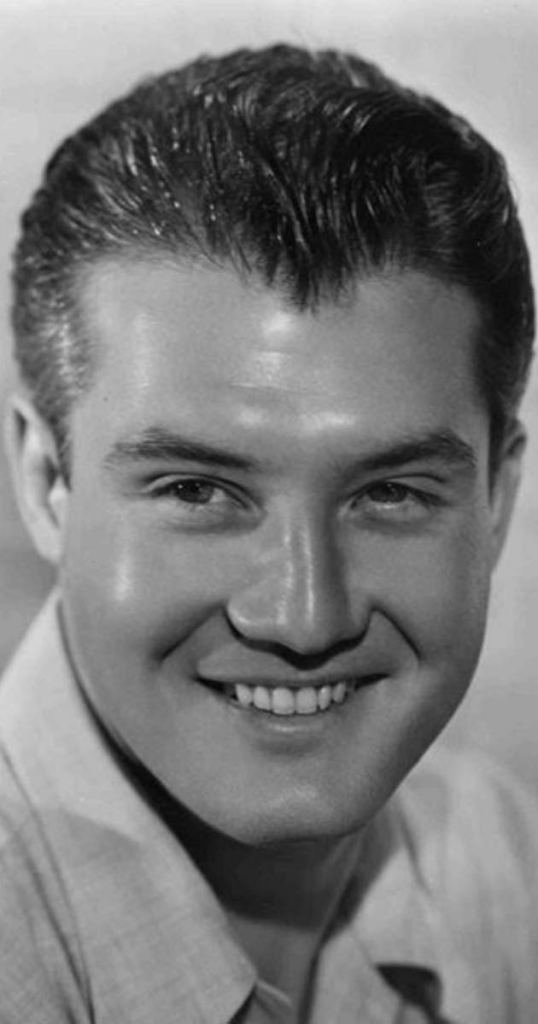
Superman: George Reeves Dies 62 Years Ago Today

by HB Auld, Jr.

Today is the anniversary of one of the heroes of most of us over the age of 60.

Today is the anniversary of the death of Superman. The first TV Superman, George Reeves, died on this day, 62 years ago, allegedly of a self-inflicted gunshot.

George Reeves was born on January 5, 1914. He died at age 45 on June 16, 1959.

Although he was not the first Superman on radio or TV (that was Bud Collyer during World War II), George Reeves is the first Superman most older TV viewers remember.

George Reeves’ first credited movie role was as one of Scarlett O’Hara’s suitors, Stuart Tarleton, one of the Tarleton twins, in “Gone With the Wind.” He appears in a minor role in the opening scene in which he dyed his hair red to be one of the twins.

He went on to star in minor movie parts with several big-name Hollywood stars, including Ronald Reagan (twice), Charlie Chaplin, Merle Oberon, and James Cagney. During World War II, George served in the Army Air Corps where he made training films. In 1953, George played the minor part of Sergeant Maylon Stark in “From Here to Eternity.” George began filming the “Superman” TV series in 1951, in a tough filming schedule that saw them produce two 30-minute episodes every six days.

George Reeves allegedly shot himself in his bedroom during a noisy party downstairs at his home. Much controversy surrounds his death, due to a number of questionable physical findings reported by investigators and others: no fingerprints were recovered from the gun and no gunpowder was found on George’s hands. Despite these contradictions, George’s death was officially ruled a suicide.

Bud Collyer, the voice of Superman on radio during World War II, went on to star as the game master on TV on Beat the Clock and To Tell the Truth.

Kirk Alyn was the first Superman on the big screen, starring as Superman in 1948 and again in 1950 in “serials” in movie theaters.

I first saw George Reeves as Superman on TV as a nine-year old in New Gulf, Texas. My family had no TV, so my best friend would invite me over every afternoon at 5 to watch Superman with him. I was thrilled the Saturday my dad bought our first TV, because now I could invite my friends over to share Superman with me at our house.

Rest In Peace, George “Superman” Reeves.


Donald Duck is 87 Years Old Today

by HB Auld, Jr. (with a hat tip to Phil Galloway)

“Today is Donald Duck Day! It was on June 9, 1934, that the irascible duck first appeared on screen.

His birthday was originally given as March 13th, but Walt Disney later decreed the date to be June 9th. It always seemed funny that he would appear just out of a shower with a towel wrapped around his waist, but then go out in public with just a coat on!!”

Happy 87th birthday, Donald Duck!


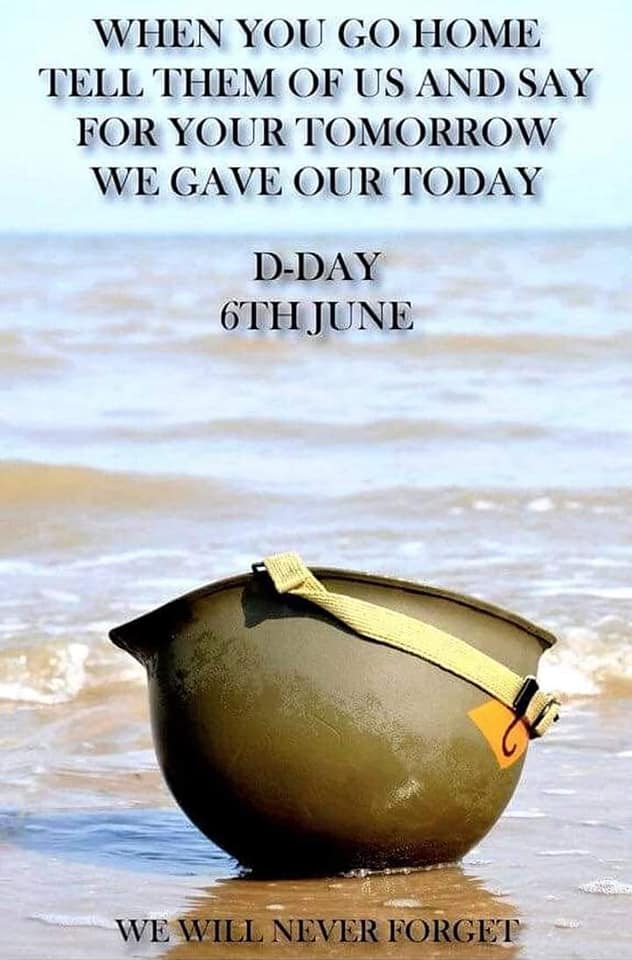
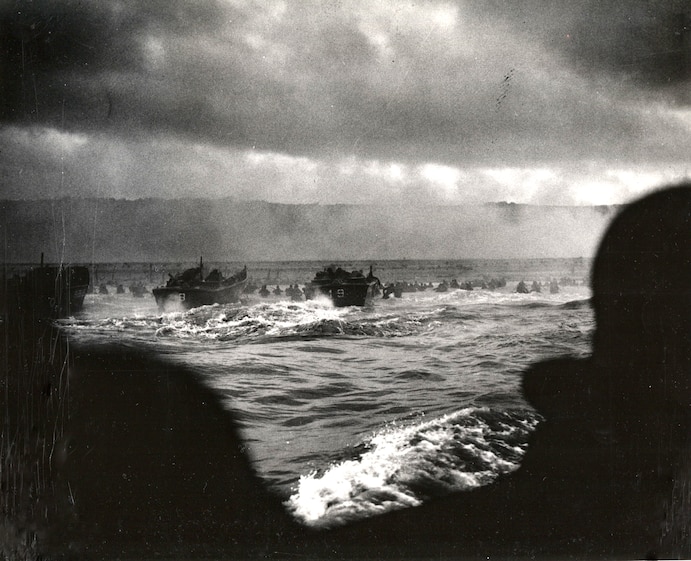
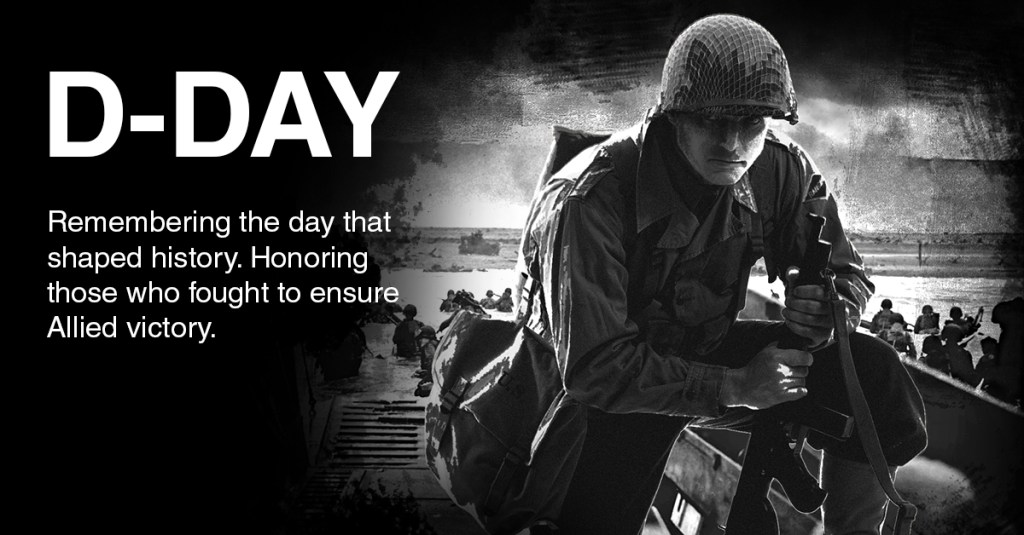
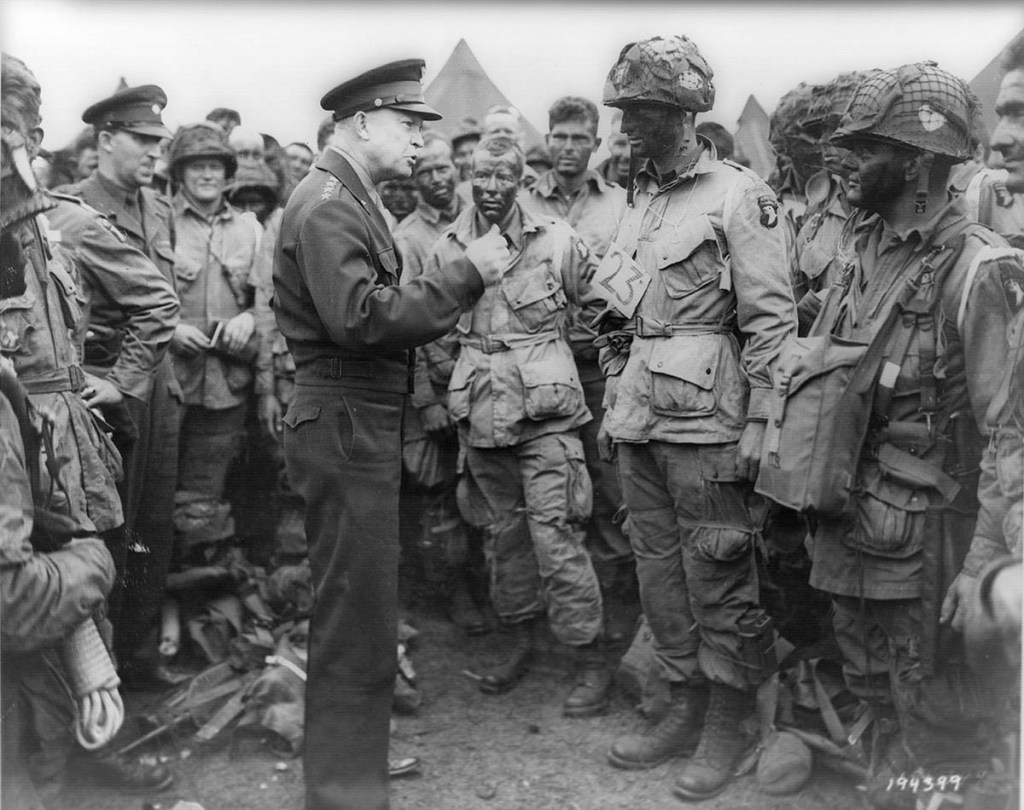
D-Day Began 77 Years Ago Today with Operation Overlord

by HB Auld, Jr.

On this date, 77 years ago, June 6, 1944, Allied Forces began Operation Overlord, the landing at Normandy that would ultimately bring the Axis Powers to her knees and the end of World War II in Europe.

Let us always remember the brave sacrifices of these men who landed on the beaches of France and endured death, destruction, and wounds to fight for our freedom from tyranny. God bless them and God bless America!


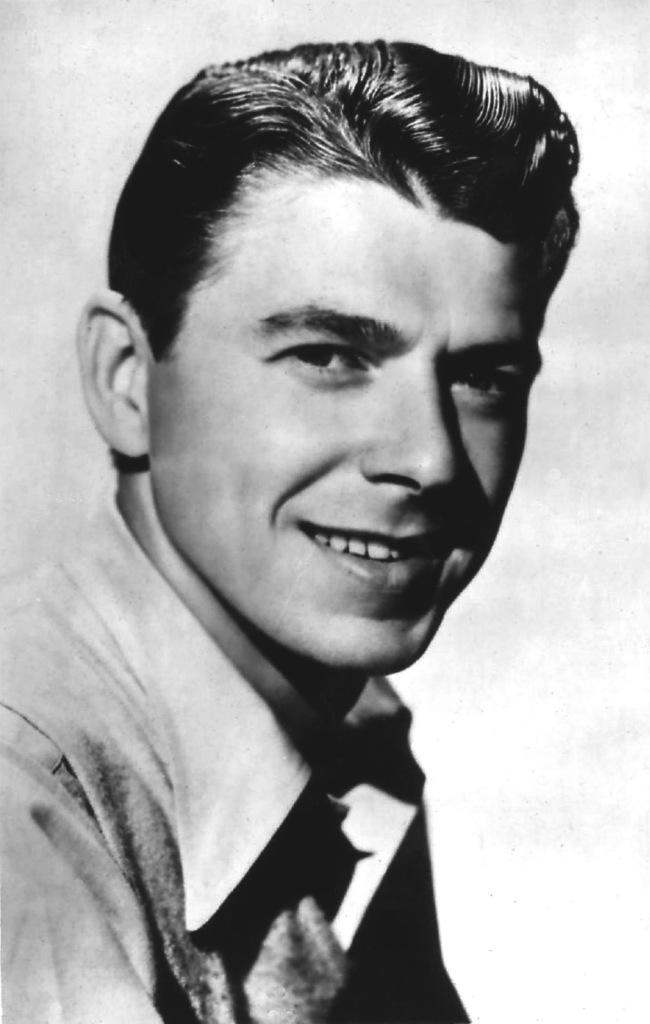
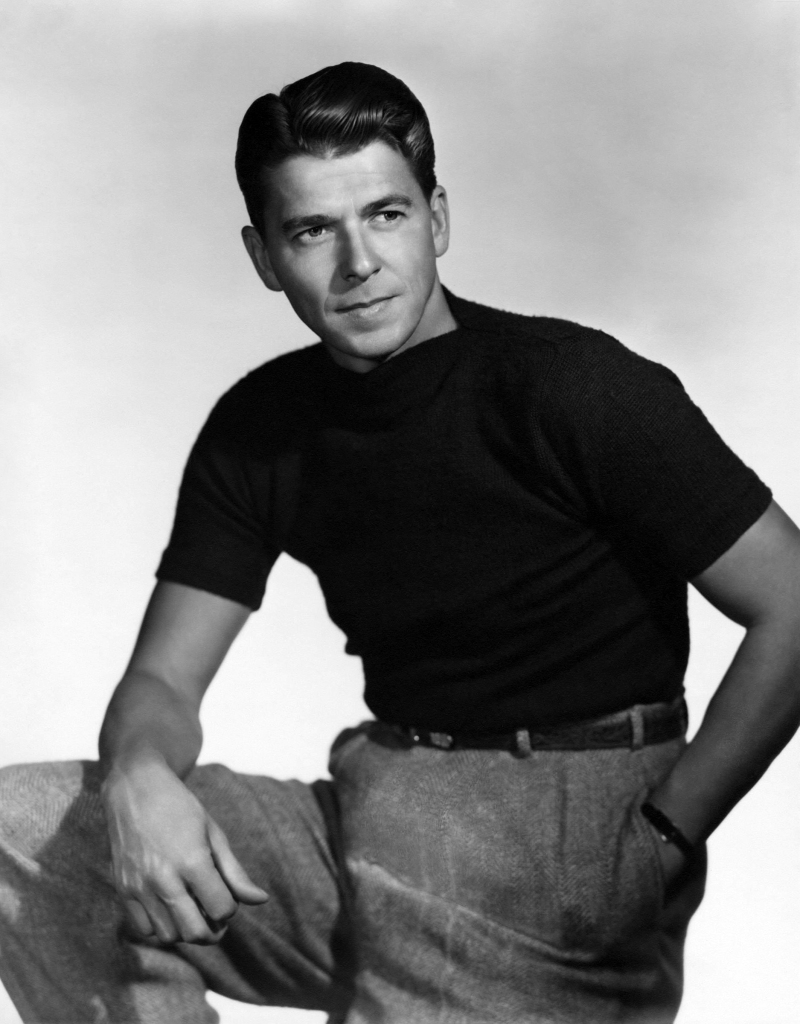
President Ronald Reagan Passes Away 17 Years Ago Today

by Guest Author Tara Ross

On this day in history in 2004, we lost an amazing leader. President of the United States, Ronald Reagan passed away from complications of Alzheimer’s Disease. Here is historian and author Tara Ross’s remembrance and tribute to this great man:


On this day in 2004, Ronald Reagan passes away after a long battle with Alzheimer’s.

During his farewell address to the nation, Reagan spoke of the importance of education– and history. His words are worth reprinting in full:

“An informed patriotism is what we want. And are we doing a good enough job teaching our children what America is and what she represents in the long history of the world? Those of us who are over 35 or so years of age grew up in a different America. We were taught, very directly, what it means to be an American. And we absorbed, almost in the air, a love of country and an appreciation of its institutions. If you didn’t get these things from your family you got them from the neighborhood, from the father down the street who fought in Korea or the family who lost someone at Anzio. Or you could get a sense of patriotism from school. And if all else failed you could get a sense of patriotism from the popular culture. The movies celebrated democratic values and implicitly reinforced the idea that America was special. TV was like that, too, through the mid-sixties.

We’ve got to do a better job of getting across that America is freedom–freedom of speech, freedom of religion, freedom of enterprise. “

— RONALD REAGAN

But now, we’re about to enter the nineties, and some things have changed. Younger parents aren’t sure that an unambivalent appreciation of America is the right thing to teach modern children. And as for those who create the popular culture, well-grounded patriotism is no longer the style. Our spirit is back, but we haven’t re-institutionalized it. We’ve got to do a better job of getting across that America is freedom–freedom of speech, freedom of religion, freedom of enterprise. And freedom is special and rare. It’s fragile; it needs protection.

So, we’ve got to teach history based not on what’s in fashion but what’s important–why the Pilgrims came here, who Jimmy Doolittle was, and what those 30 seconds over Tokyo meant. You know, 4 years ago on the 40th anniversary of D-day, I read a letter from a young woman writing to her late father, who’d fought on Omaha Beach. Her name was Lisa Zanatta Henn, and she said, “we will always remember, we will never forget what the boys of Normandy did.” Well, let’s help her keep her word. If we forget what we did, we won’t know who we are. I’m warning of an eradication of the American memory that could result, ultimately, in an erosion of the American spirit. Let’s start with some basics: more attention to American history and a greater emphasis on civic ritual.

“Wise words. RIP, Mr. President.

#TDIH#AmericanHistory#USHistory#liberty#freedom#ShareTheHistory

EDITOR’S NOTE:

Guest author, Tara Ross, is a mother, wife, writer, and retired lawyer. She is the author of The Indispensable Electoral College: How the Founders’ Plan Saves Our Country from Mob Rule,Enlightened Democracy: The Case for the Electoral College, co-author of Under God: George Washington and the Question of Church and State (with Joseph C. Smith, Jr.), & We Elect A President: The Story of our Electoral College. She is a constitutionalist, but with a definite libertarian streak! Stay tuned here for updates on pretty much anything to do with the Electoral College, George Washington, & our wonderfully rich American heritage.

History posts are copyright © 2013-2020 by Tara Ross. Please use the share feature instead of cutting/pasting.  #TDIH#OTD#History#USHistory#liberty#freedom#ShareTheHistory

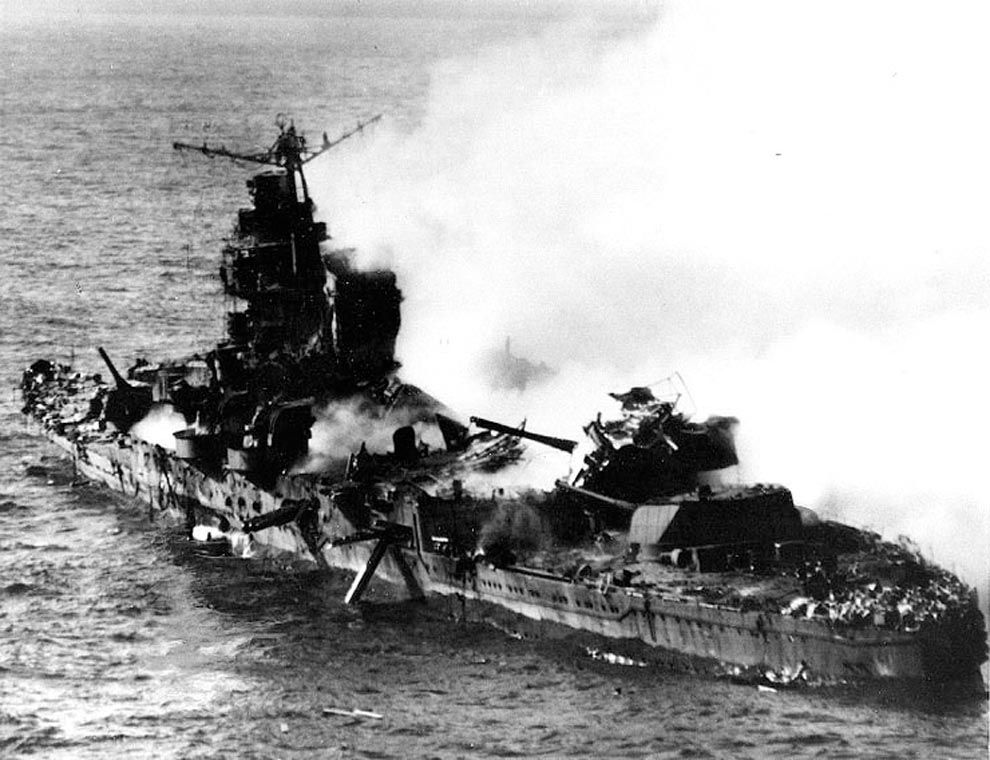
Battle of Midway 79 Years Ago Today

by Guest Author Tara Ross

On this day in 1942, the Battle of Midway is fought. The Japanese had taken Americans by surprise at Pearl Harbor mere months before. Now the United States would strike a decisive blow of its own.

Americans entered battle with a priceless advantage: They’d recently broken a Japanese naval code. The U.S. Navy had a pretty good idea of when, where, and how the Japanese would attack.

They’d barely figured out the “where”! As cryptanalysts listened to the intercepted messages, they kept hearing references to location “AF,” but they didn’t know where AF was. Could it be Midway? They decided to test the theory.

The personnel at Midway were asked to broadcast an uncoded radio message, reporting that their water purification system was broken. And wouldn’t you know it? American intelligence soon picked up a coded Japanese message, faithfully reporting that “AF” had a water shortage.

Japan had been tricked into confirming the location of “AF.”

The Japanese attack was sighted on radar early on June 4, as expected. Naturally, Midway was already on alert. Moreover, three United States aircraft carriers hovered nearby, just beyond the reach of Japanese radar.

The battle that followed was intense. Japanese planes rained down fire on the Midway atoll, but Americans returned unrelenting antiaircraft fire. In the meantime, American planes from Midway took off toward the Japanese carriers. “All of these attacks would be bravely carried out but ineffective, scoring no hits on any Japanese ship,” historian Ian W. Toll describes. “But the continuous pressure of new air attacks, however ineffectual, put the Japanese off balance.”

Torpedo bombers from the U.S. aircraft carriers finally arrived, but they fared badly. Mitsuo Fuchida, an officer aboard the Japanese carrier Akagi, later recounted his “breathless suspense, thinking how impossible it would be to dodge all their torpedoes.” But most of these planes did not have fighter escorts, and they were quickly defeated.

Nevertheless, the Japanese were contending with their own problems. Their commanding officer had waffled on whether to arm his planes with land bombs (to attack Midway) or torpedoes (to attack the American fleet). Ultimately, the Japanese carriers were caught in a vulnerable position. Some planes were refueling; some were rearming with torpedoes. Bombs and torpedoes were lying around the hangar deck of the carriers, not yet returned to their magazines: All this material created a risk of secondary explosions in the event of a strike.

Complicating matters, even those planes that were already in the air were flying too low to deal with what came next: American dive bombers.

Yes! The Navy’s most effective weapon chose that inconvenient moment to arrive.

“The terrifying scream of the dive-bombers reached me first,” Fuchida recounted, “followed by the crashing explosion of a direct hit. There was a blinding flash and then a second explosion, much louder than the first. . . . Then followed a startling quiet as the barking of guns suddenly ceased. I got up and looked at the sky. The enemy planes were already gone from sight.”

Within about five minutes, three aircraft carriers in the Japanese fleet were effectively destroyed, including hundreds of pilots, planes, aircraft maintenance crews and repairmen. A fourth aircraft carrier would be lost by the end of the day.

Americans suffered losses, too, but their victory was undeniable: Japan’s ability to fight an air war had been severely compromised.

Gentle reminder: History posts are copyright © 2013-2020 by Tara Ross. I appreciate it when you use the shar e feature instead of cutting/pasting: #TDIH#OTD#AmericanHistory#USHistory#liberty#freedom#ShareTheHistory


EDITOR’S NOTE: Guest author, Tara Ross, is a mother, wife, writer, and retired lawyer. She is the author of The Indispensable Electoral College: How the Founders’ Plan Saves Our Country from Mob Rule,Enlightened Democracy: The Case for the Electoral College, co-author of Under God: George Washington and the Question of Church and State (with Joseph C. Smith, Jr.), & We Elect A President: The Story of our Electoral College. She is a constitutionalist, but with a definite libertarian streak! Stay tuned here for updates on pretty much anything to do with the Electoral College, George Washington, & our wonderfully rich American heritage.

History posts are copyright © 2013-2020 by Tara Ross. Please use the share feature instead of cutting/pasting.  #TDIH#OTD#History#USHistory#liberty#freedom#ShareTheHistory

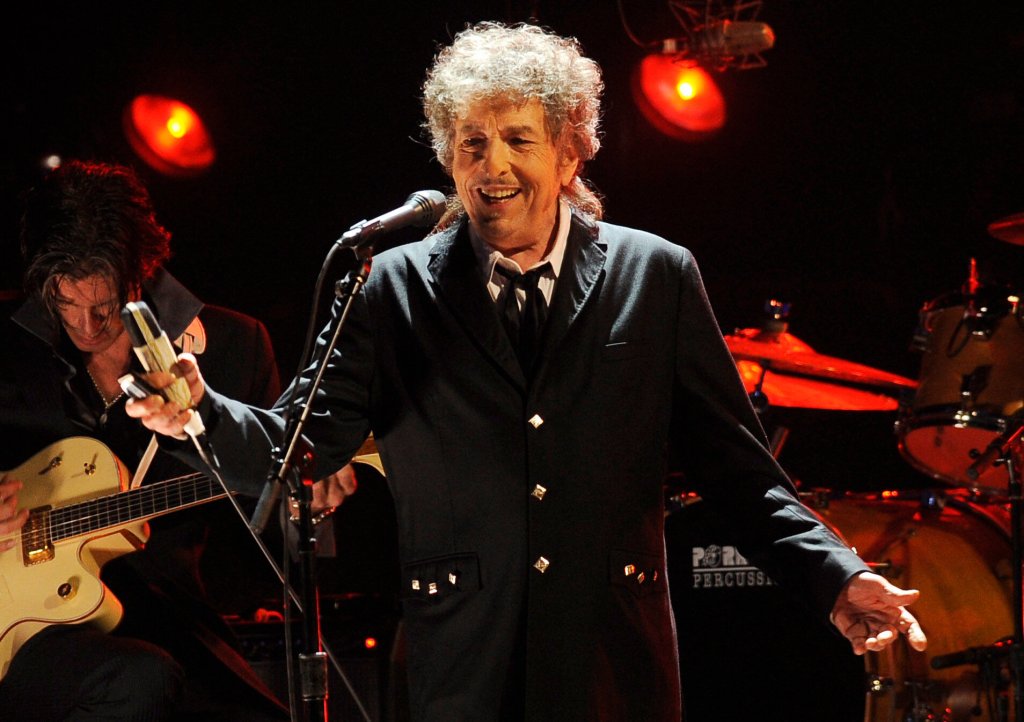
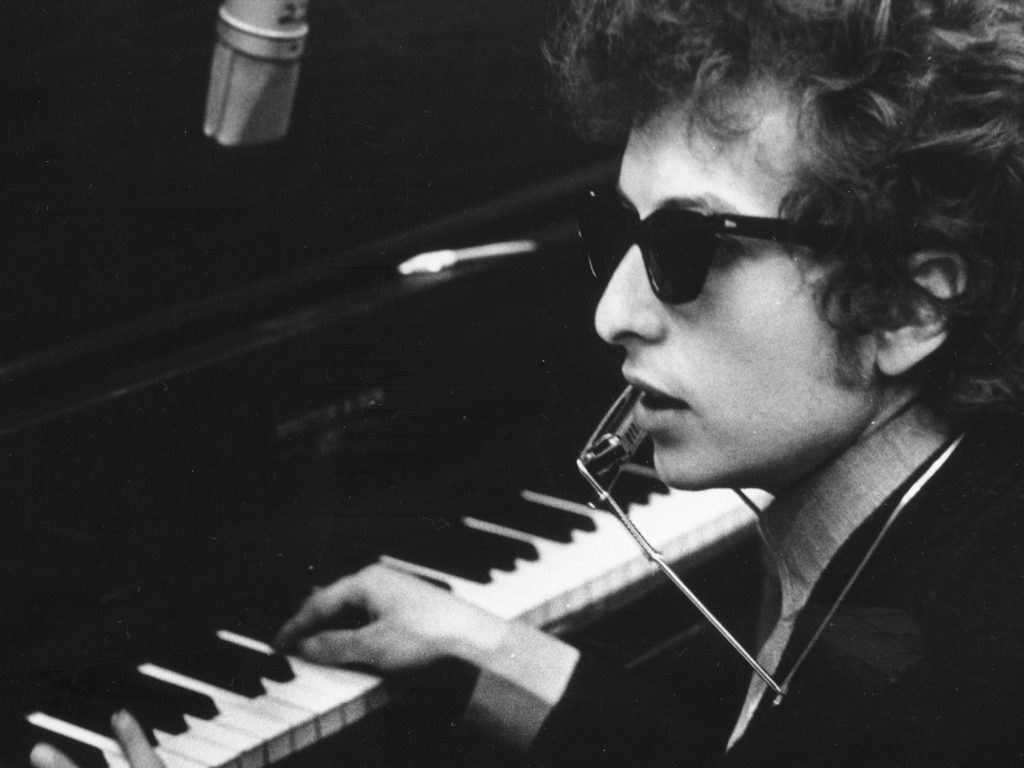
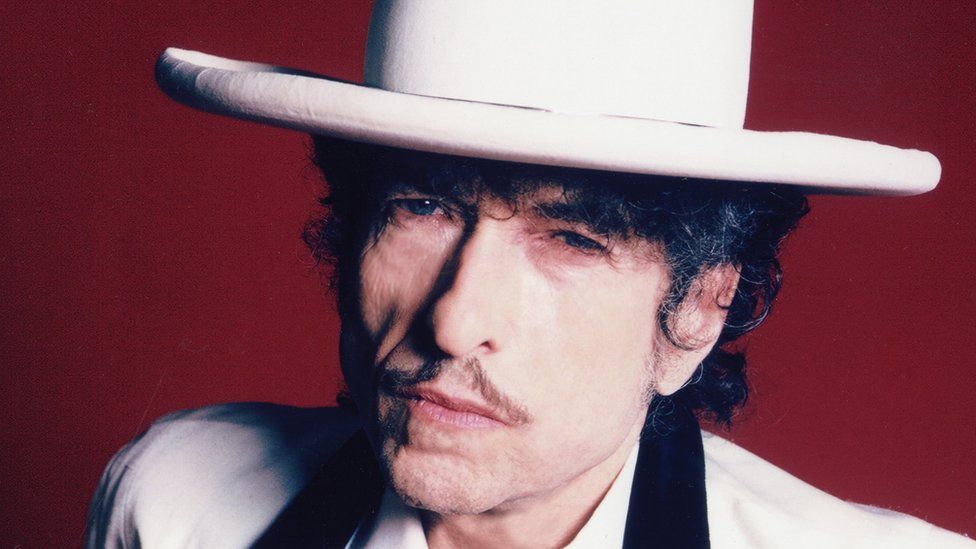
Happy 80th Birthday Today to Bob Dylan

by HB Auld, Jr.

Happy 80th birthday today to Robert Zimmerman, aka Bob Dylan.

The times, they are STILL a-changin’, Bob!

STILL rockin’ it at 80 with a concert TONIGHT at the University of Tulsa.

Awesome, Bobby


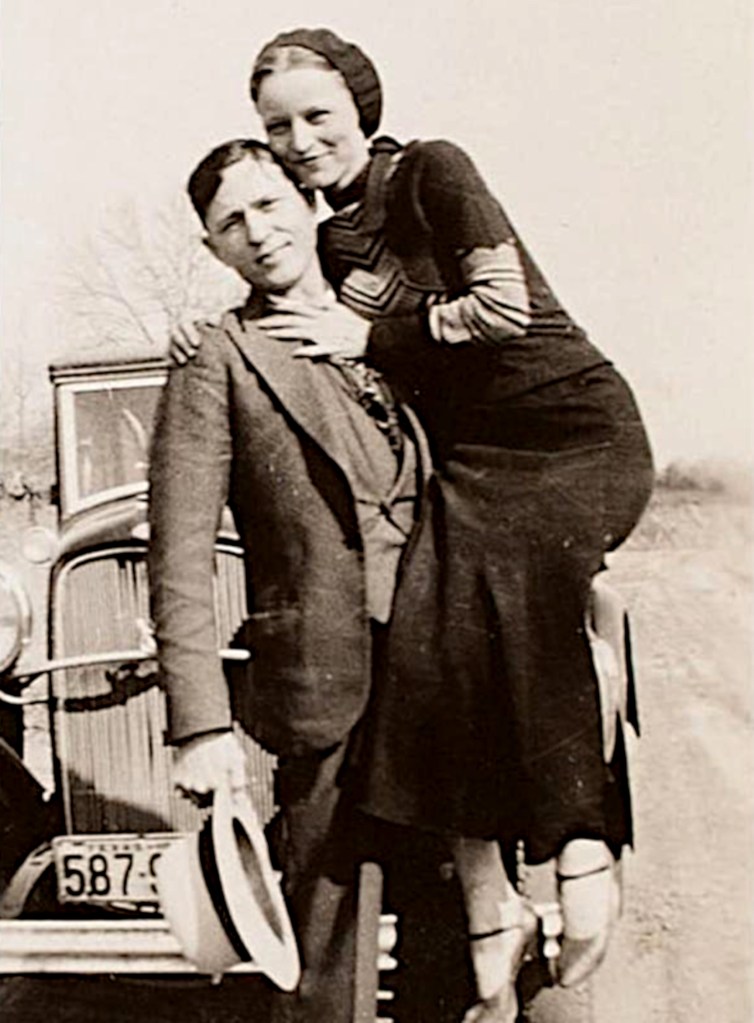
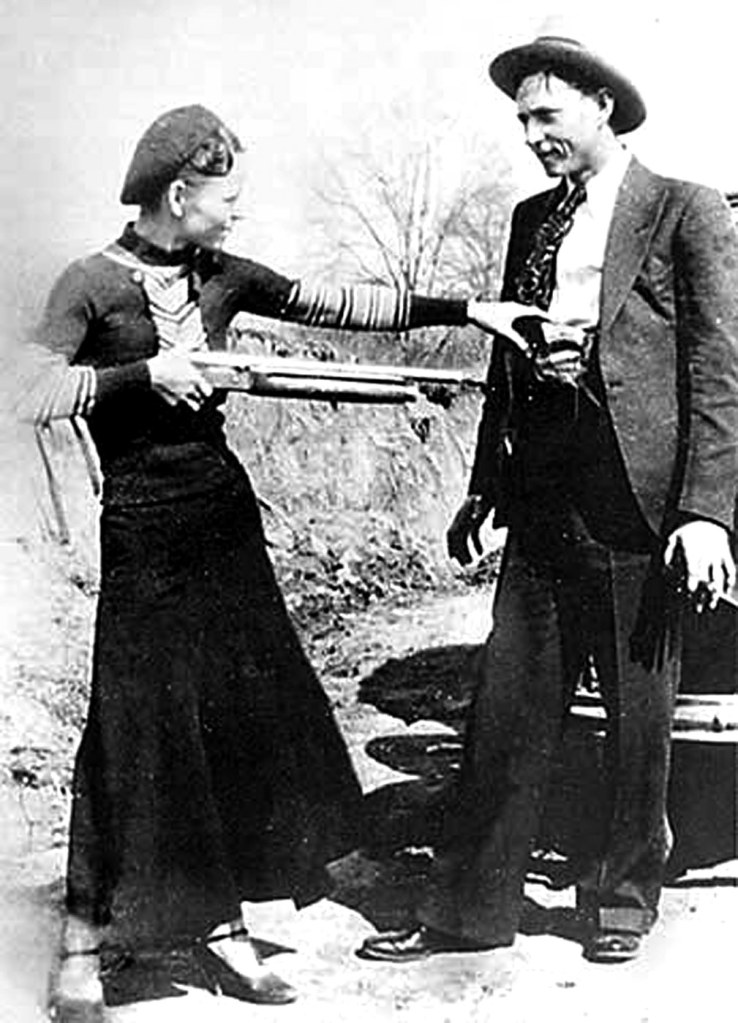
Bonnie and Clyde Die in Ambush 87 Years Ago Today

by HB Auld, Jr.

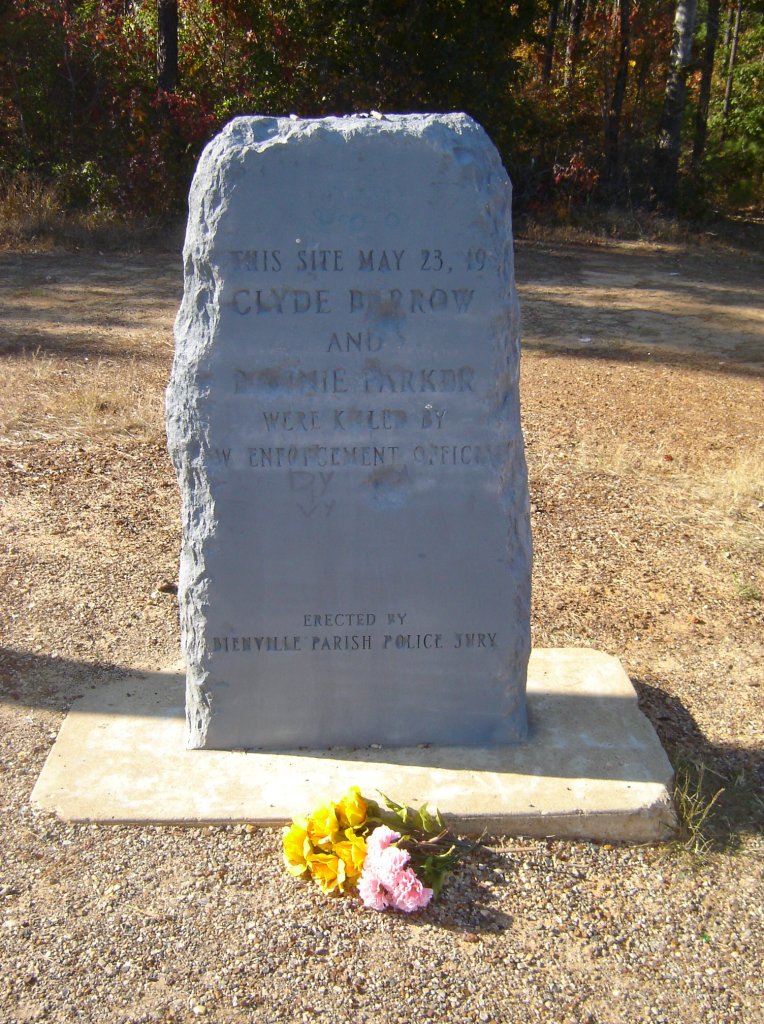
Today is the 87th anniversary of the deaths of Bonnie and Clyde. They were ambushed outside of Gibsland, LA, on May 23, 1934.

The criminal pair had cut a swath of murder and robbery across the United States during the past 21 months. For much of their murder spree, they were accompanied by Clyde Barrow’s brother, Buck Barrow, and his third wife, Blanche.

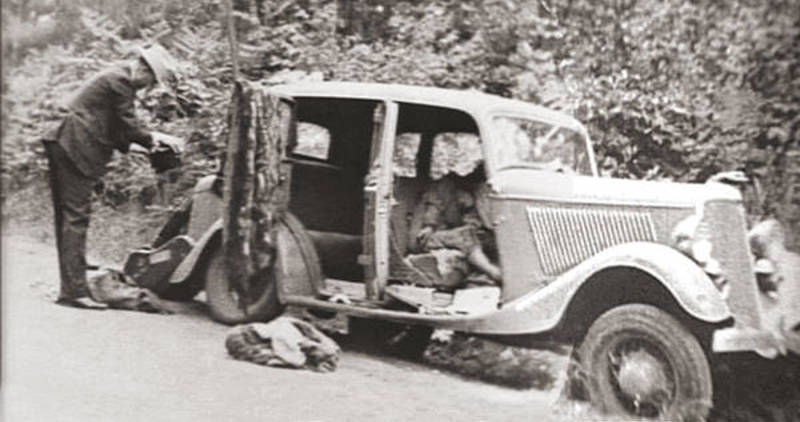
Bonnie Parker and Clyde Barrow had stopped in at a cafe in Gibsland for a sandwich and were on their way down Highway 54, one of the backroads of Louisiana, when they were lured into stopping by the father of one of their former cohorts, Henry Methvin. When they stopped to help Methvin with his broken-down pickup, six lawmen from Texas and Louisiana stood up and opened fire on their 1934 Ford V8, killing the duo with more than 150 shots.

The dead criminals were taken to nearby Arcadia, LA, laid out on tables in a furniture store, and later buried in separate locations back in Texas: Bonnie Parker was buried in the Fishtrap Cemetery, although she was moved in 1945 to the new Crown Hill Cemetery in Dallas. Clyde Barrow was buried in Western Heights Cemetery in Dallas, next to his brother Marvin. His epitaph reads: “Gone but not forgotten.”

Their final setting outside Gibsland, LA, was near Arcadia, LA, where my dad was born and raised. My dad, HB Auld, had celebrated his 20th birthday in Arcadia, the day before the ambush.

When word quickly reached Arcadia, my paternal uncle, Ernest Murphy, and his brother, King Murphy, rushed to the “death car” and King began taking black and white photos. Ernest ran the film back to Arcadia for processing, and then returned time and again to the ambush site for more film to run in to Arcadia.

When Bonnie and Clyde were taken to Arcadia, they were “laid out” on tables in Conger Furniture Co. , next door to my grandfather’s dry cleaning shop.

…black, three-ring binder (of photos)….

For years, my dad had a black, three-ring binder full of 8×10 black and white photos of the ambush site, the death car, and Bonnie and Clyde in the car and on the tables in Conger Furniture Co. Then, while I was in the Navy, the binder suddenly disappeared. No one knows what happened to it. I believe the photo of the “death car” at the ambush site with Bonnie and Clyde still in it above may well have been one of the ones King Murphy and Ernest Murphy took that day.

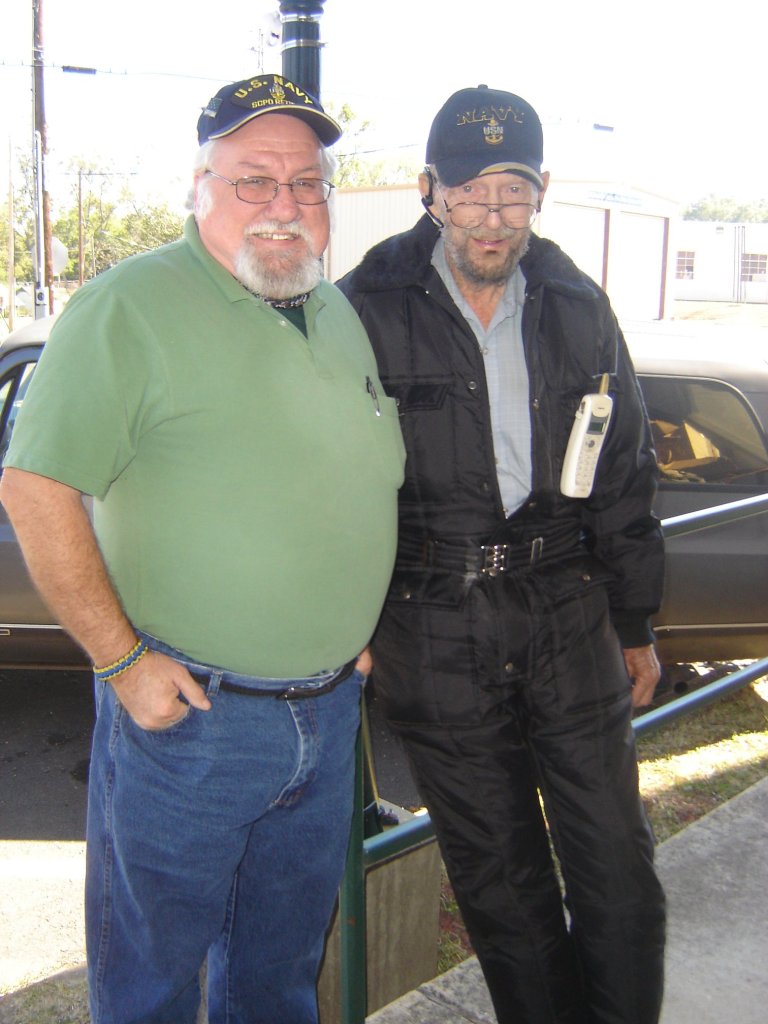
For my birthday on November 5, 2011, my wife, Jannie, and I visited Gibsland, LA, where “Boots” Hinton, son of Deputy Ted Hinton who was one of those who ambushed Bonnie and Clyde, told us the story of the ambush after they stopped for sandwiches there. We visited the Bonnie and Clyde Museum there that Boots managed and purchased his book, “Ambush,” which Boots autographed and inscribed for me. When he died, five years later at age 81, I attached his obituary inside the book, also. I still have Boots’ book and cherish my meeting with him.

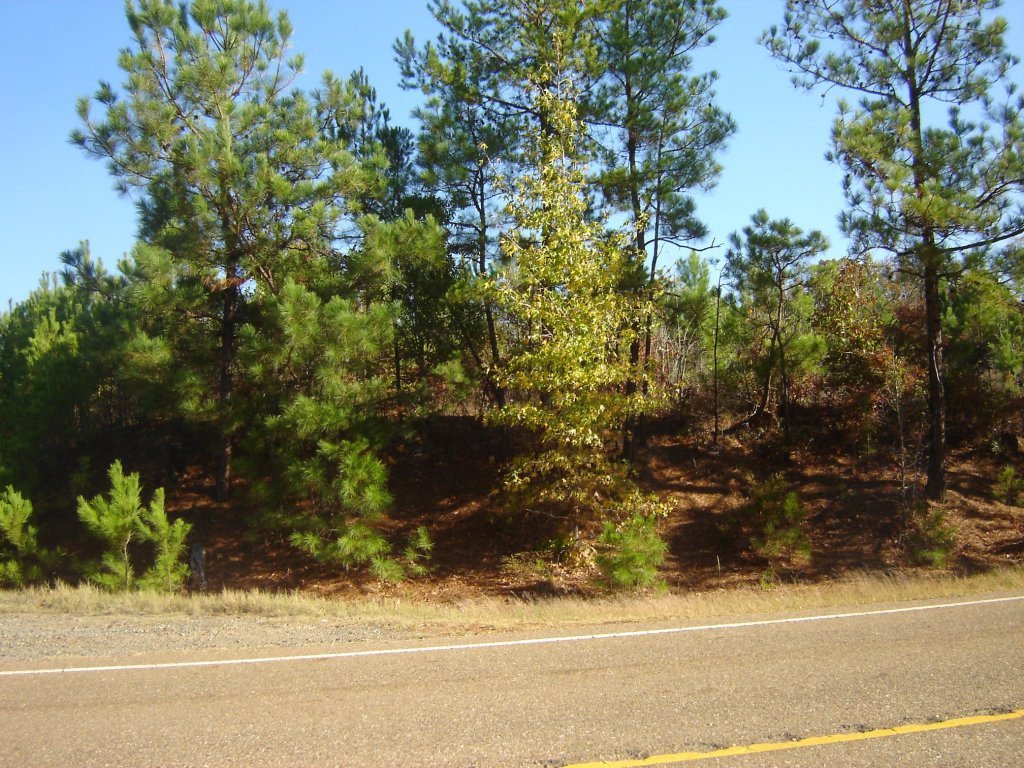
From there, we drove down Highway 54, a paved two-lane now, but a narrow gravel road on May 23, 1934, when the crime duo traveled down it to their deaths. There, I took the photos above of the ambush site, the highway, and the monument.


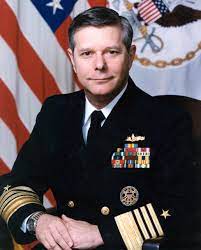
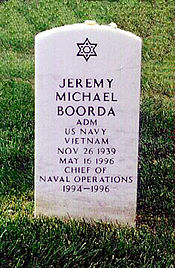
Admiral Mike Boorda: Was it Suicide or Really Murder?

by Guest Author Mike Campbell

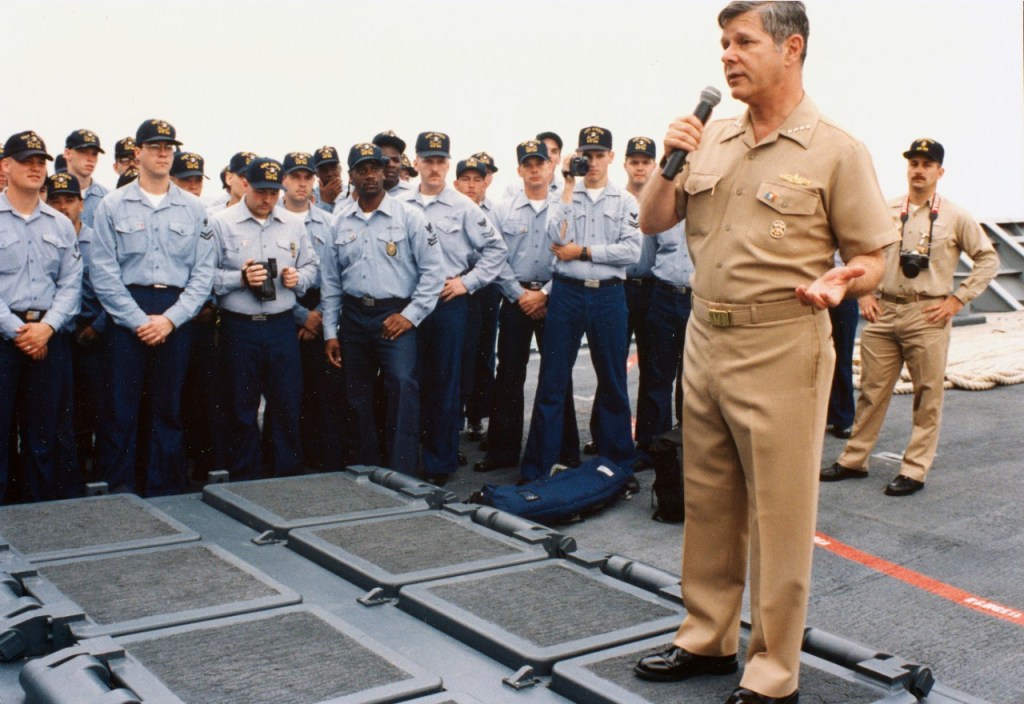
As someone who briefly knew and worked with the deceased Admiral Jeremy “Mike” Boorda, I share HB Auld, Jr.’s admiration and affection for this fine man, one of the last of the “Old School” Navy leaders. (see previous article: “Admiral Mike Boorda: An Amazing Sailor Died 25 Years Ago” below).

In the late 1980s, as a Navy civilian, I interviewed Admiral Boorda for two stories I wrote for the now-defunct Navy Editor Service, which supported Navy ships and Marine Corps facilities worldwide with news and feature articles they could get nowhere else. He was always gracious and generous with his time and information, and I greatly appreciated the opportunity to work with him.

I was shocked when I learned of his death in 1996 and immediately doubted the official suicide story, which was that Boorda was distraught over mistakenly wearing the wrong military medal, something completely absurd on its face.

Soon, the late, great retired Army Major Glenn MacDonald, editor-in-chief of MilitaryCorruption.com, broke through the stonewall of this wicked cover-up and interviewed a Navy corpsman who had arrived at the death scene shortly after the crime occurred, and who reported to Glenn that the admiral had “two gunshot wounds” to his chest, something those who actually commit suicide are not wont to acquire.

Here is Glenn MacDonald’s story, available now only in the archives of Free Republic:

“THE DAY ADMIRAL BOORDA DIED” – 16 YEARS LATER AND STILL NO AUTOPSY OR “SUICIDE” LETTERS RELEASED  (freerepublic.com)

Copyright © May 2012 by Glenn MacDonald, MilitaryCorruption.com

A few years later, Tony Bonn of The American Chronicle shed much more light on why the military and political establishment may have wanted Admiral Boorda dead.  Bonn’s story from March 2014 is linked here:

© The American Chronicle

Besides these two shining examples of investigative journalism and truth-telling, virtually nothing can be found anywhere attesting to this disgraceful chapter of our history, which is fast become one Big Lie after another.

Admiral Mike Boorda was an American hero, and his brutal murder remains among the most successfully covered up crimes in Navy history. 


EDITOR’S NOTE: Guest Author of the above, Mike Campbell, is a successful former Navy Journalist and author of several decades. He has authored three highly acclaimed books on the disappearance of famed American aviatrix Amelia Earhart: “With Our Own Eyes (Eyewittnesses to the Final Days of Amelia Earhart)” and two editions of “Amelia Earhart: The Truth at Last (Propaganda Versus Fact in the Disappearance of America’s First Lady of Flight).” Both books continually rate at or near the top of best sellers on Amazon and elsewhere in the search for the truth about Amelia Earhart. Additionally, Mike Campbell blogs frequently at: http://earharttruth.wordpress.com. “The Truth at Last” Web site is http://www.EarhartTruth.com. He can be contacted at mbcampbell29@aol.com.