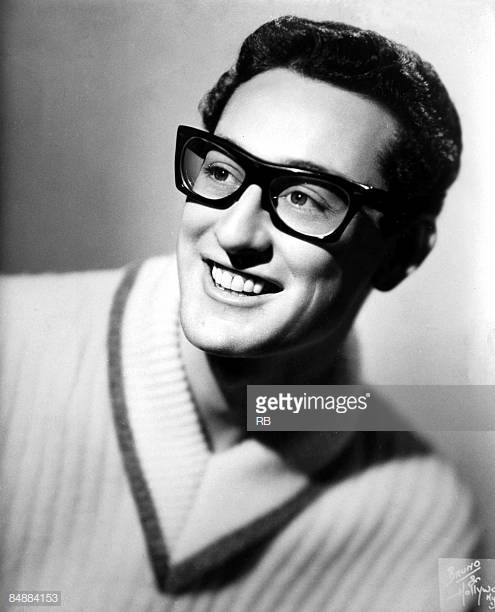
Sixty-five Years Ago on February 3, 1959: ‘The Day the Music Died’

by H. B. Auld, Jr.

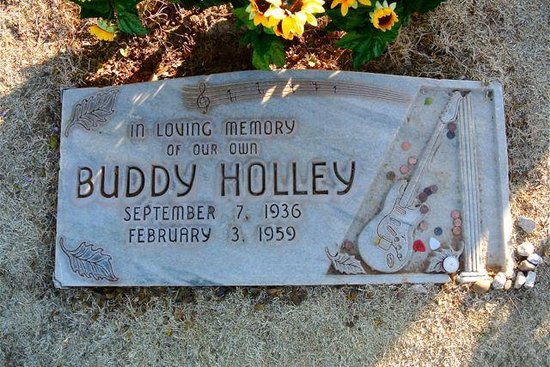
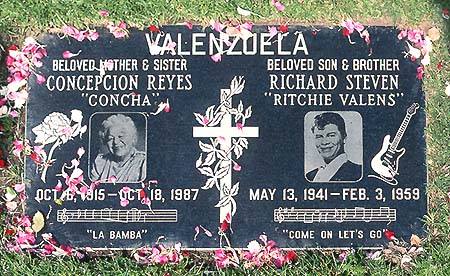
Sixty-five years ago today on February 3, 1959, was the day later referred to as “The Day The Music Died.”  That was the day future rock and roll legends Buddy Holly, J.P. “The Big Bopper” Richardson, and Ritchie Valens all died in a plane crash in Iowa.  They were just 22, 28, and 17 years old, respectively. 

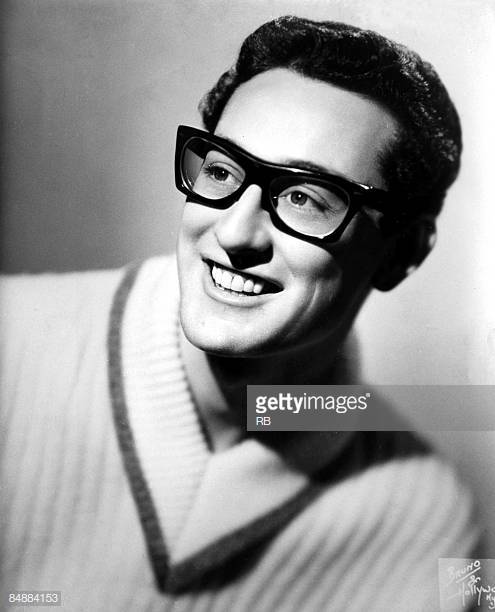
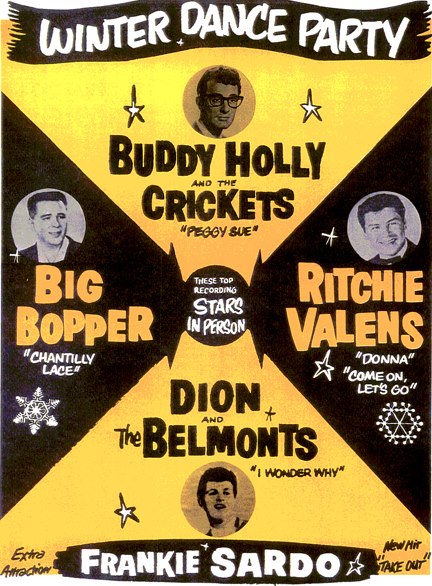
Buddy Holly and his band, The Crickets, from Lubbock, Texas, were just beginning their rise to musical stardom. They had opened in the Lubbock area for other artists, including a then relatively unknown named Elvis Presley.  They began playing when Buddy was in high school, and this was a chance to tour the USA.  The Winter Dance Party Tour had just finished a concert in Clear Lake, IA, and were headed to their next gig in Moorhead, MN, the next night. Other future stars on the same tour included Dion DiMucci and the Belmonts.

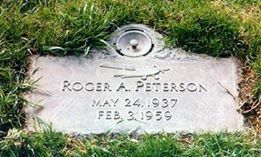
The whole group was traveling in a bus with frequent mechanical difficulties when a snow and ice storm made travel difficult.  Buddy chartered a small private Beechcraft Bonanza aircraft to fly him and his band to Moorhead.  Richardson, who had the flu, convinced Crickets bass player Waylon Jennings to give up his seat to J.P. Afterward, Buddy told Waylon, “I hope your ol’ bus freezes up.” And Waylon replied to Buddy, “Well, I hope your ol’ plane crashes.” Waylon said he regretted those final words to Buddy for the rest of his life.  And young Ritchie Valens beat out Crickets guitarist Tommy Allsup in a coin flip for the remaining seat on the plane. Ironically, Ritchie was then overheard saying, “That’s the only thing I ever won in my life.”  The remaining Cricket drummer, Carl Bunch, would also take the bus.  Flying the plane was a relatively inexperienced 21-year-old pilot named Roger Peterson.  All were killed soon after take-off when the plane crashed into a farm field just six miles from the Mason City Airport, from which the aircraft departed five minutes earlier at 12:55 a.m.  The plane had bounced and rolled over before flipping tail-over-nose several times.  The pilot was found still strapped into the cockpit.  All the passengers were ejected from the plane and lay near the crash site.  All were killed instantly.

Buddy had already written many songs that became hits after his death.  Songs like “Peggy Sue,” “Oh, Boy!” “Maybe Baby,” “True Love Ways,” “Rave On,” “It’s So Easy To Fall In Love,” “Everyday,” “Not Fade Away,” “It Doesn’t Matter Anymore,” “Heartbeat,” “Raining in My Heart,” “Words of Love,” and a recent number one hit “That’ll Be The Day,” became rock and roll classics covered by scores of other artists down through the years. 

In another ironic twist, when word of the plane crash and the death of the tour stars reached the venue at Moorhead, MN, word went out to try to find another local act for the concert that night.  A 15-year-old local boy named Robert Thomas Velline and his band of hastily assembled friends, including his brother Bill, went on that night calling themselves The Shadows.  Robert Velline soon found rock and roll success and stardom as Bobby Vee with a string of hits of his own.

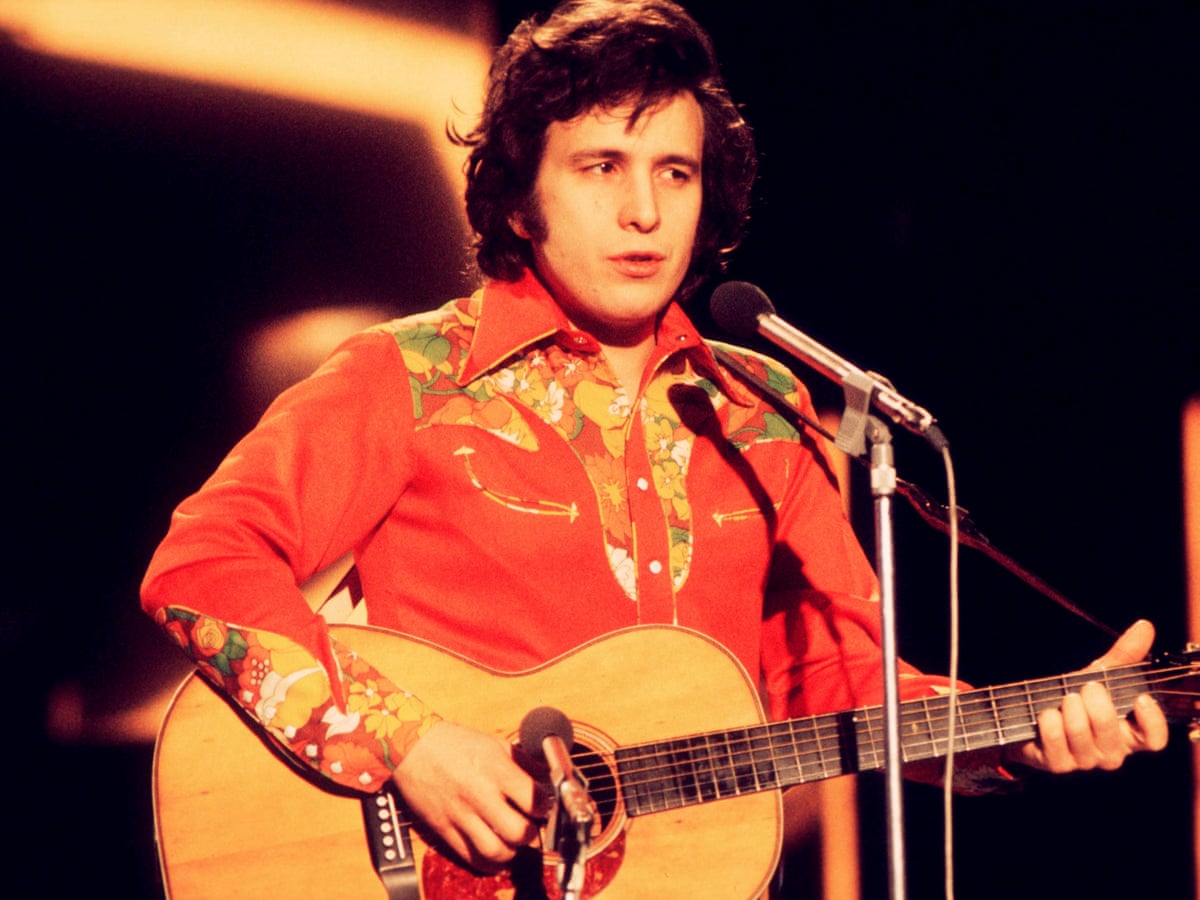
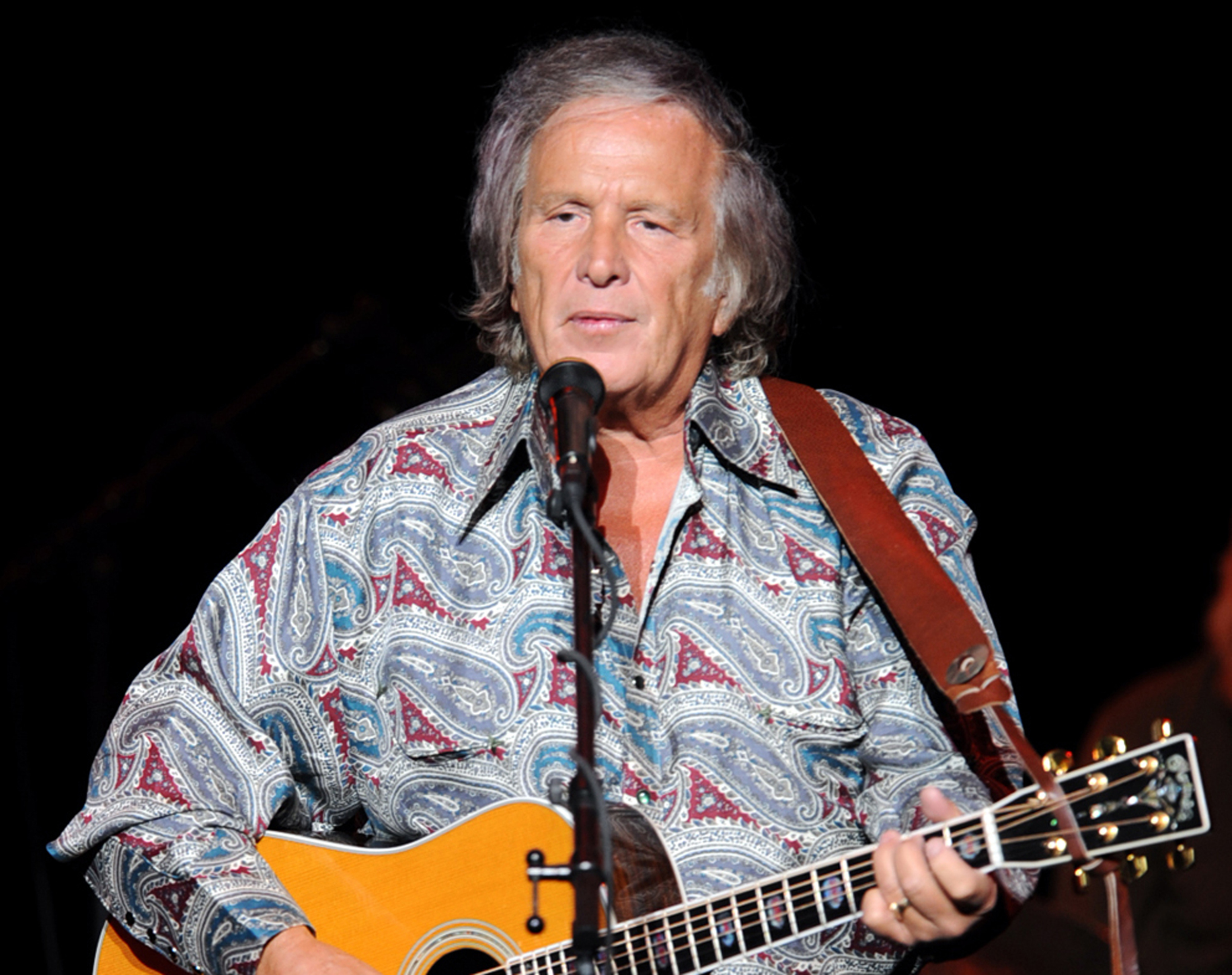
The early morning that the three rock stars crashed and died, February 3, 1959, became known as “The Day the Music Died,” as popularized in a 1971 hit song by Don McLean, entitled “American Pie.”

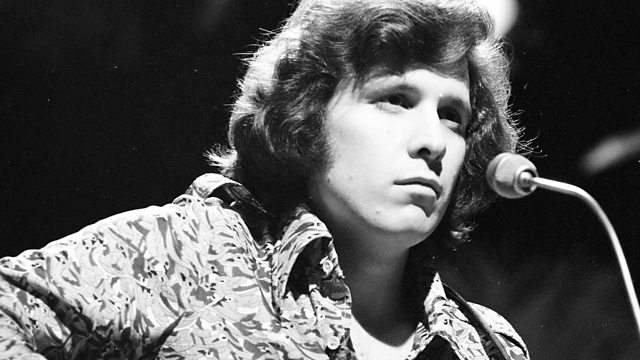
‘American Pie’ Hits #1 On Billboard Charts 50 Years Ago Today

From The History Channel

Fifty years ago today: January 15, 1972, “American Pie,”, an epic poem in musical form that has long been etched in the American popular consciousness, hit #1 on the Billboard charts.

“The story of Don McLean’s magnum opus began almost 13 years before its release, on a date with significance well-known to any American who was alive and conscious at the time. Tuesday February 3, 1959, was the date of the plane crash that killed Buddy Holly, Ritchie Valens, and J.P. “the Big Bopper” Richardson—a date that would be imbued with transcendent meaning by Don McLean when he labeled it ‘the Day the Music Died.’

“One might reasonably point out that the baby-boom generation has since invested its entire rock-and-roll experience with transcendent meaning, but don’t blame Don McLean for starting the trend. “American Pie” wasn’t written to be a generation-defining epic; it was written simply to capture McLean’s view of ‘America as I was seeing it and how I was fantasizing it might become.’

“When asked to explain what exactly he was trying to say with some of his more ambiguous lyrics, McLean generally declined. Many others applied themselves to the task, however, and even today the Internet bristles with exhaustively reasoned interpretations of “American Pie” and its web of lyrical references to the youth culture of the 1950s and 60s. The meaning of the Stolen Crown and Marching Band may be of interest only to the most obsessive of baby boomers, but almost all of us know the chorus of “American Pie” better than we know our own national anthem, and the chances are good that our great-grandchildren will, too. Which isn’t bad for a song that was written and recorded by a struggling folk singer who merely hoped that it would “earn two or three thousand dollars and make survival for another year possible.”


Buddy Holly Was Born 85 Years Ago Today: Monday, September 7, 1936

by HB Auld, Jr.

Today would have been Buddy Holly’s 85th birthday. He was born September 7, 1936, and was killed in a plane crash on Tuesday, February 3, 1959.

Buddy Holly was born Charles Hardin Holley in Lubbock, Texas. He was born into a musical family where his mom, two older brothers, and older sister all either played instruments or sang. It was his older brother, Travis Holley, who taught Buddy to play the guitar.

Last Name Misspelled

Buddy’s last name, Holley, was misspelled as “Holly” by a Decca Records employee on a recording contract and he continued to record and tour under that misspelling: Buddy Holly. Buddy performed for the first time on TV in 1952 at 15. He performed locally and in school talent shows until 1955 when he and a friend opened for a young rock and roller, Elvis Presley, who was touring one-nighters by driving across Texas and Louisiana. Elvis so impressed young Buddy that he decided right then that he wanted to be a rock and roll musician. He opened twice more for Elvis and later for Bill Haley and the Comets in rock and roll shows produced by a local disc jockey.

Buddy died after a concert

on the Winter Dance Party tour.

Buddy died after a concert on the Winter Dance Party tour. He, J.P. (The Big Bopper) Richardson, and 17-year old Ritchie Valens (La Bamba) took a private plane Buddy had rented after the performance in Clear Lake, IA. They were on their way to the next night’s performance at Moorhead, MN. All three musicians and the pilot, Roger Petersen, were killed when the plane crashed (probably from iced wings) in a cornfield just five miles after take-off. When Buddy and the others died, a 15-year old Bobby Vee quickly formed a musical group, “The Shadows,” and performed at the concert that next night in Moorhead, MN. Bobby Vee went on to very successful rock and roll solo career of his own after that night.

Just 22 Years Old

Buddy Holly, one of the most prolific rock and roll stars, was just 22 years old when he died that snowy night in Iowa.

Happy 85th birthday, Buddy Holly.

Here is one of Buddy’s biggest hits: “Raining In My Heart:”

https://www.youtube.com/watch?v=lLeZof1wGps