William Wallace Captured in 1305

Reprinted from The Society of John De Graeme

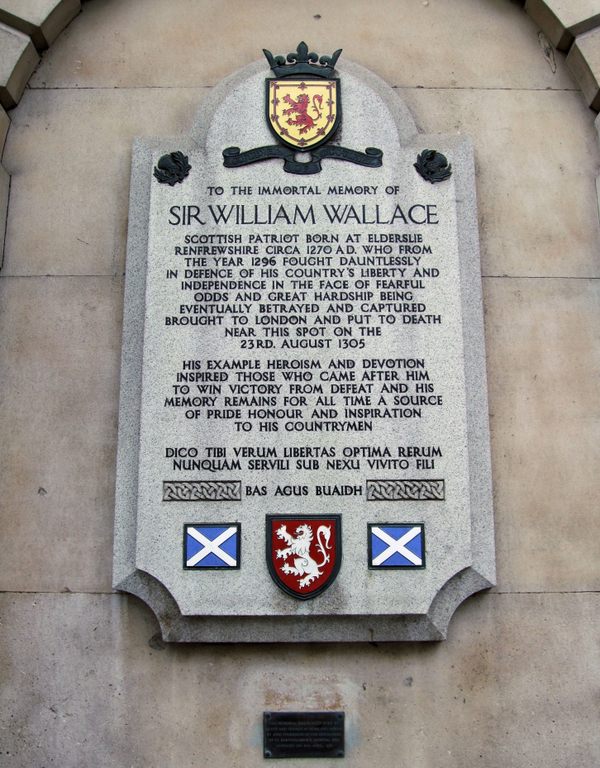
SIR WILLIAM WALLACE CAPTURED ON AUGUST 3rd IN 1305

Sir William Wallace former Guardian of Scotland and high protector of the realm is betrayed and captured at Robroyston near Glasgow.

Sir John De Menteith Sheriff of Dumbarton a Scottish Knight sworn to King Edwards of England it is believed was informed of Wallace’s exact location from Wallace’s servant Jack Short and crept up on Wallace under cover of night.

Wallace was seized in his bed and dragged to Dunbarton Castle where he was handed over to the English and marched to London.

Wallace’s sword remained at Dumbarton Castle.

Sir John De Menteith was branded a traitor and styled as Fause Menteith (“Menteith the treacherous, false”).

Menteith would however play a bigger part in Scotland’s fight for its sovereignty, but he would never shake off his brand as a traitor.

Robroyston is located just outside Glasgow and the site of Wallace’s capture is now marked by a Gigantic Celtic Cross.

Not far from this cross is an old well.

It is said that Sir William Wallace took his last drink as a free man (And a free man he was) from the well.

Wallace’s fate was sealed, his doom awaited, and he would spend the better part of the month being dragged to London to face Edward’s cruel and sadistic plan he had in store for Wallace.


The Youngest Union Soldier: Nine-Year Old John Lincoln ‘Johnny’ Clem

Originally posted on X by Fascinating

In May of 1861, nine-year old John Lincoln “Johnny” Clem ran away from his home in Newark, Ohio, to join the Union Army, but found the Army was not interested in signing on a nine-year old boy when the commander of the 3rd Ohio Regiment told him he “wasn’t enlisting infants,” and turned him down.

 Clem tried the 22nd Michigan Regiment next, and its commander told him the same. Determined, Clem tagged after the regiment, acted out the role of a drummer boy, and was allowed to remain. Though still not regularly enrolled, he performed camp duties and received a soldier’s pay of $13 a month, a sum collected and donated by the regiment’s officers.

 The next April, at Shiloh, Clem’s drum was smashed by an artillery round and he became a minor news item as “Johnny Shiloh, The Smallest Drummer”.


…at the Battle of Chickamauga….


A year later, at the Battle Of Chickamauga, he rode an artillery caisson to the front and wielded a musket trimmed to his size. In one of the Union retreats a Confederate officer ran after the cannon Clem rode with, and yelled, “Surrender you damned little Yankee!” Johnny shot him dead. This pluck won for Clem national attention and the name “Drummer Boy of Chickamauga.”

 Clem stayed with the Army through the war, served as a courier, and was wounded twice. Between Shiloh and Chickamauga he was regularly enrolled in the service, began receiving his own pay, and was soon-after promoted to the rank of Sergeant.

 He was only 12 years old. After the Civil War he tried to enter West Point but was turned down because of his slim education.

 A personal appeal to President Ulysses S. Grant, his commanding general at Shiloh, won him a 2nd Lieutenant’s appointment in the Regular Army on 18 December 1871, and in 1903 he attained the rank of Colonel and served as Assistant Quartermaster General.

He retired from the Army as a Major General in 1916, having served an astounding 55 years. General Clem died in San Antonio, Texas on 13 May 1937, exactly three months shy of his 86th birthday, and is buried at Arlington National Cemetery.


USS INDIANAPOLIS Sunk 78 Years Ago; Only One Survivor Remains

by H B Auld, Jr.

Two USS Navy ship disaster anniversaries in two days:

Yesterday it was the USS FORRESTAL (CV 59) and today it is the heavy cruiser USS INDIANAPOLIS (CA 35). I knew this one was coming; it’s been on my calendar all year.

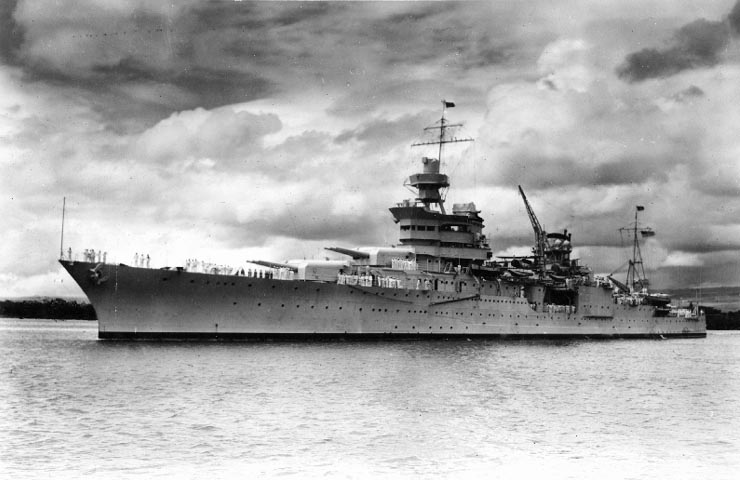
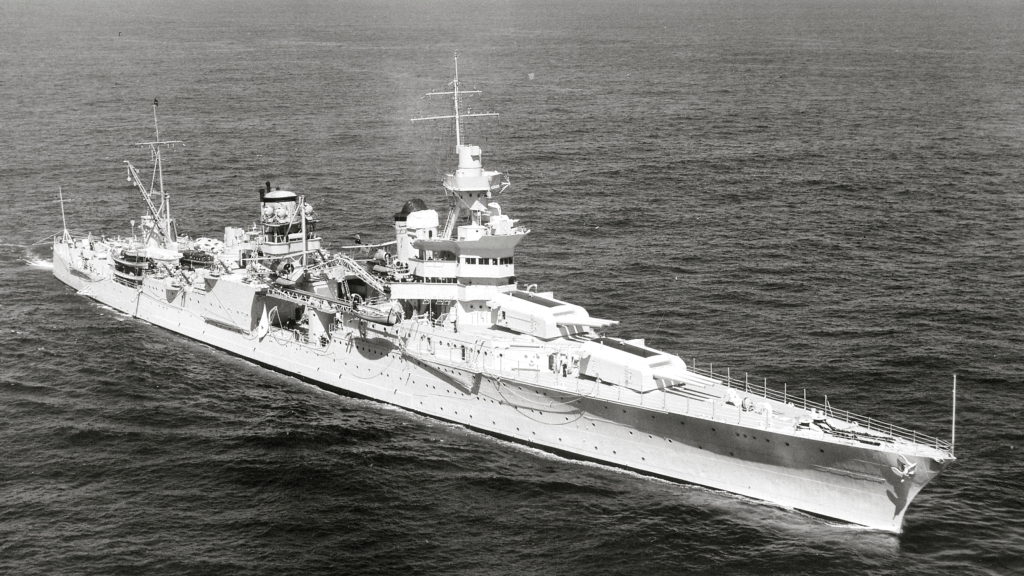
On this day 78 years ago, July 30, 1945, USS INDIANAPOLIS is sunk by Japanese torpedoes. The few survivors would float in the ocean for days before they were found.

Of the nearly 1,200 men on board the ship, about 900 men survived the initial explosion and went overboard into the water. The ship sank 12 minutes later, taking 300 to their watery graves. Almost 600 Sailors died in the water of dehydration, saltwater poisoning, and the worst of all: shark attacks while stranded in the open ocean with few lifeboats and almost no food or water. Those surviving in the water would not be rescued for days. The Navy only learned of the sinking four days later, when survivors were spotted by the crew of a PV-1 Ventura on routine patrol. Of the 1200 original crew, only 316 Sailors survived the tragedy.

There was just one silver lining, if there was one, to the tragedy. INDIANAPOLIS had already performed the most critical part of its mission: It had successfully carried parts for the “Little Boy” atomic bomb across the Pacific before it was sunk. American bombers would soon carry “Little Boy” toward Hiroshima. Along with the bomb “Fat Man” dropped on Nagasaki, “Little Boy” would ultimately force an end to World War II.

My former landlord was one of those 316 survivors….

Several years ago, my landlord was one of those 316 INDIANAPOLIS survivors. During World War II, Lieutenant (Junior Grade) Charles McKissick served in INDIANAPOLIS and survived the sinking. He and I used to sit and talk in McKinney, TX, about our times in the Navy and he would talk about the hellish days and nights he spent in the water after the sinking before being rescued. Every year, Charles would travel to Indianapolis, IN, each July 30 for the ship’s reunion. When he returned, he would tell me that many more of his shipmates were missing that year. The numbers continued to dwindle down at each annual reunion after that. This was in the early 1990s. LTJG Charles McKissick is also gone now. Rest In Peace, Sir. You and your Shipmates earned your reward. “Rest your oars, Lieutenant. We have the Watch, now.” God bless these brave men and God bless America.

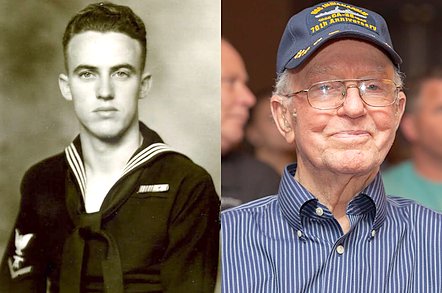
With the passing of Cleatus Lebow in October, 2022, at the age of 98, Benician Harold Bray, Jr., is now the lone living survivor from the legendary USS INDIANAPOLIS. Lebow, raised in Abernathy, Texas, joined the Navy in 1943. He is now 96 years old and the last Sailor left out of the 1,200 crew.


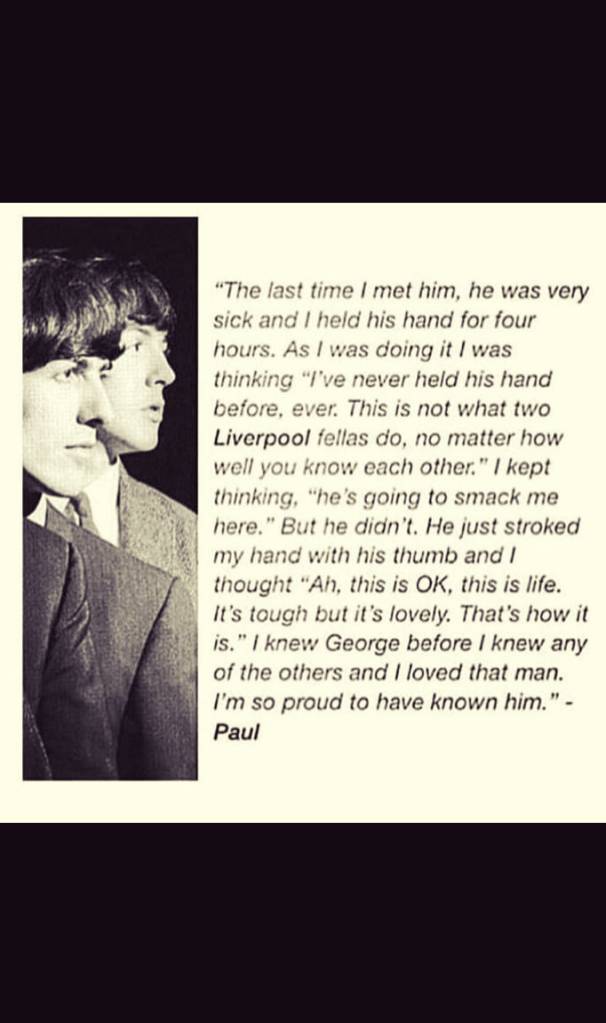
The Late George Harrison Was Born 80 Years Ago Today: February 25, 1943

by H.B. Auld, Jr.

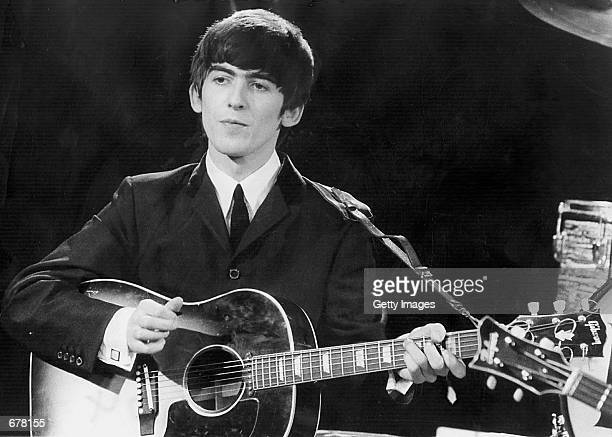
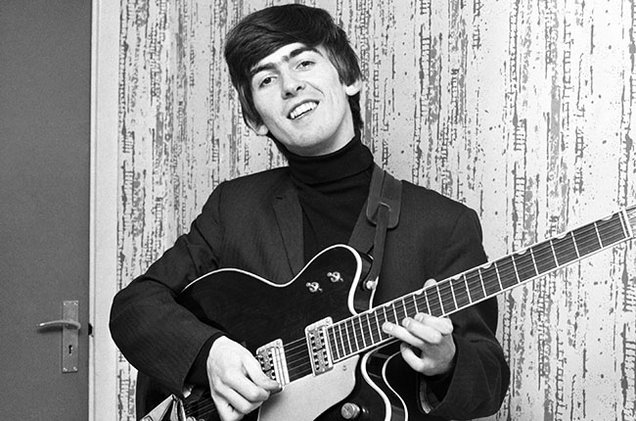
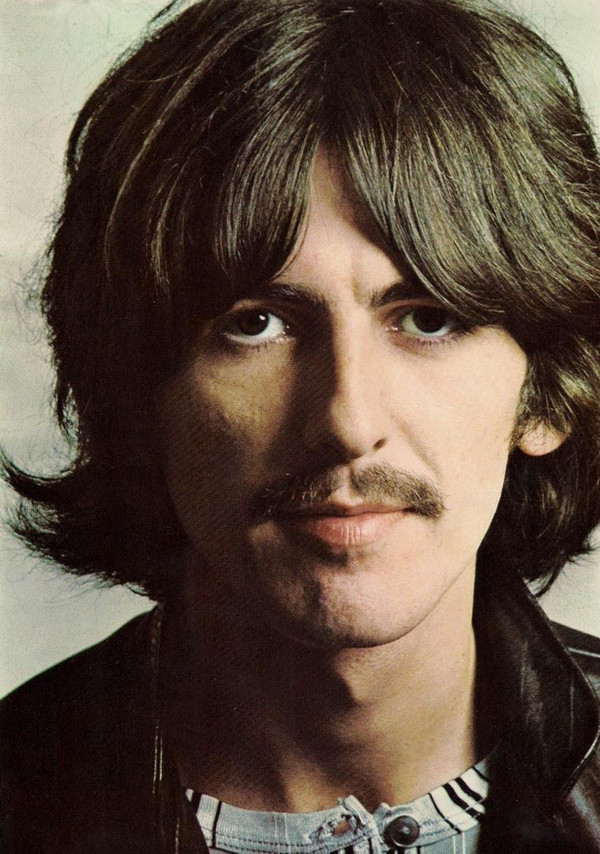
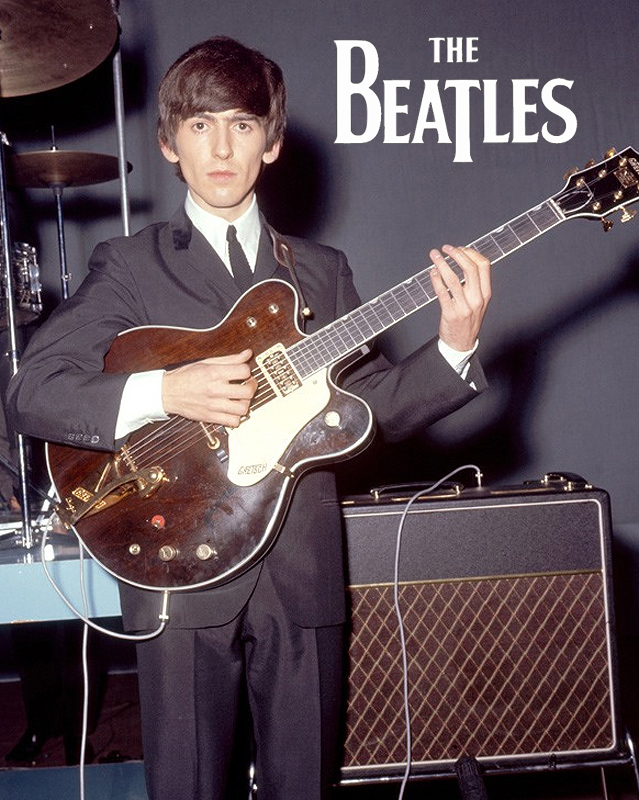
Happy birthday in heaven today to the late George Harrison. George, the lead guitarist of The Beatles and The Traveling Wilburys, as well as so many solo recordings, was born February 25, 1943, 80 years ago today. Rest In Peace, Georgie, and thank you for the many wonderful musical memories.


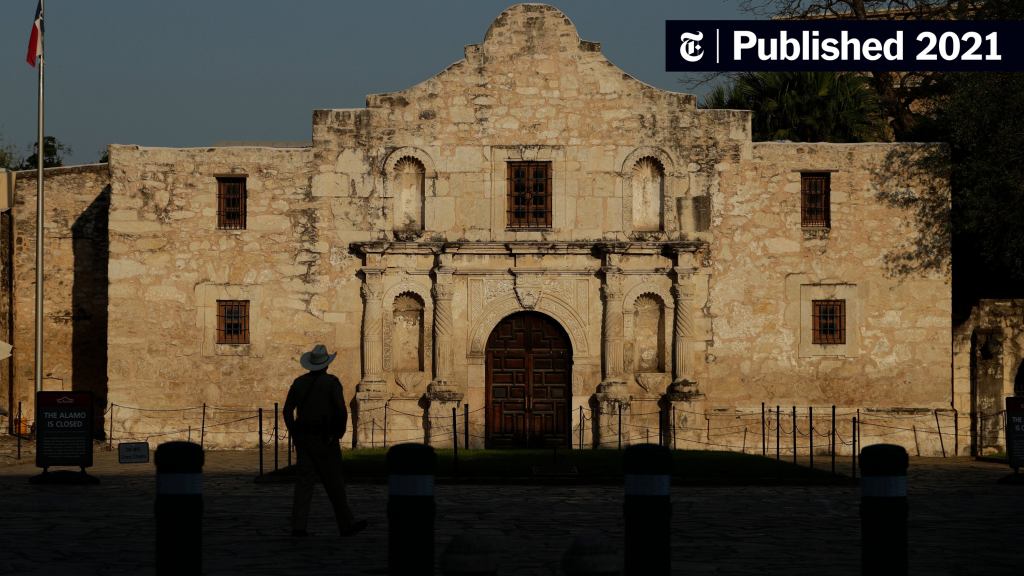
Today is the 187th Anniversary of the Beginning of the Massacre at the Alamo

by H. B. Auld, Jr.

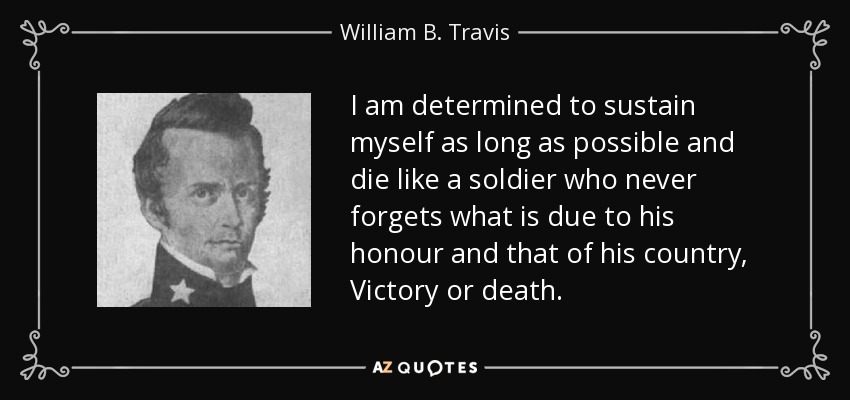
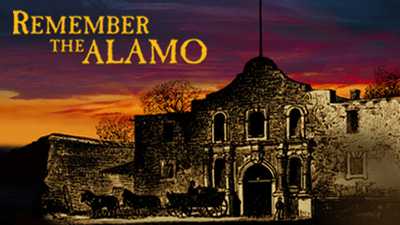
Today is the 187th anniversary of the beginning of the massacre at the Alamo, February 23, 1836. When it was over 13 days later, Texas had declared its independence from Mexico; “Remember the Alamo” was a battle cry heard across the new Republic; and 189 men, women, and children were being mourned in the South Texas Cradle of Independence.

Texas founding fathers declared The Republic of Texas to be a nation independent of Mexico on March 6, 1836.

Remember the Alamo.


Elvis Presley’s Daughter Dead at 54

by H. B. Auld, Jr.

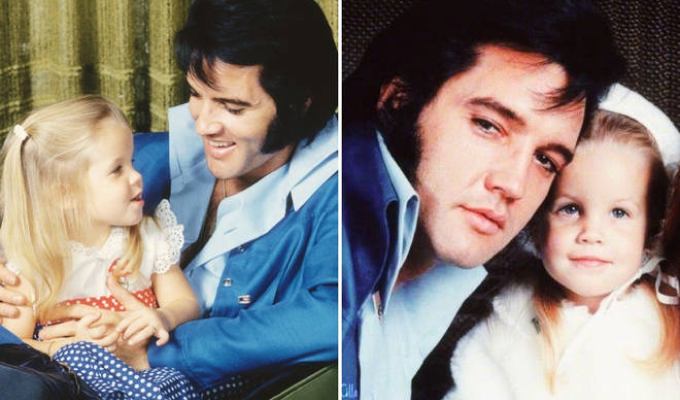
Lisa Marie Presley, daughter of Elvis and Priscilla Presley, died Thursday, January 12, 2023, of apparent cardiac arrest. She was 54 years old.

Lisa Marie Presley was married four times: to Danny Keough, Michael Jackson, Nicholas Cage, and Michael Lockwood.

She was the mother of four children: Benjamin Keough, Riley Keough, and twin daughters Finley Lockwood and Harper Lockwood. Her son, Benjamin Keough, died of an apparent suicide in 2020.

Lisa Marie will be buried at her father’s mansion, Graceland, in Memphis, TN, where he and other family members are buried.

Rest In Peace, Lisa Marie Presley.


Amelia Earhart Flies Solo Pacific Flight 88 Years Ago January 11

From the History Channel

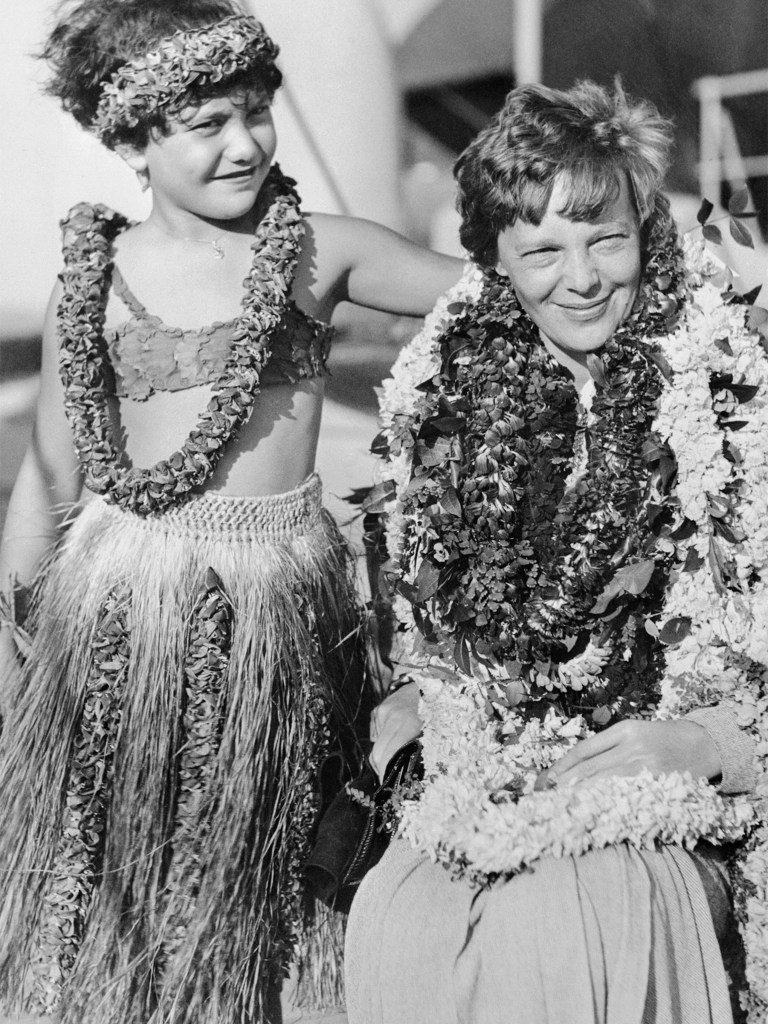
In the first flight of its kind, American aviatrix Amelia Earhart departs Wheeler Field in Honolulu, Hawaii, on a solo flight to the North American mainland 88 years ago on January 11, 1935. Hawaiian commercial interests offered a $10,000 award to whoever accomplished the flight first. The next day, after traveling 2,400 miles in 18 hours, she safely landed at Oakland Airport in Oakland, California.

Two years after her Hawaii to California flight, she attempted with navigator Frederick J. Noonan to fly around the world, but contact with her plane was lost on July 2, 1937, somewhere between New Guinea and Howland Island in the South Pacific. Radio operators picked up a signal that she was low on fuel.

As many readers of this blog have seen here previously, ALL evidence points to Amelia Earhart and navigator Fred Noonan being captured and taken to the Pacific island of Saipan where they were eventually executed and buried in shallow graves there. For more information on this famous aviatrix and navigator, click on the excellent web log at Mike Campbell’s Earhart Truth web log and his third published book on the subject at: Amelia Earhart: The Truth At Last.


Guitarist Jeff Beck Dies at 78

by H. B. Auld, Jr.

Rock guitarist Jeff Beck died Tuesday, January 10, 2023. He was born June 24, 1944, and was 78 years old.

Jeff Beck, an English guitarist, was often called a “guitarist’s guitarist.” He gained fame with The Yardbirds and with such rockers as Eric Clapton, Rod Stewart, Jimi Hendrix, and others.

The cause of death was bacterial meningitis, according to Melissa Dragich, his publicist.

RIP, Jeff Beck.


The Gettysburg Address

by H. B. Auld, Jr.

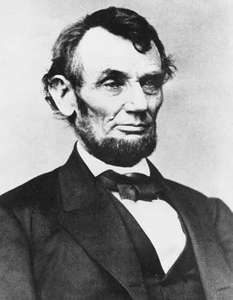
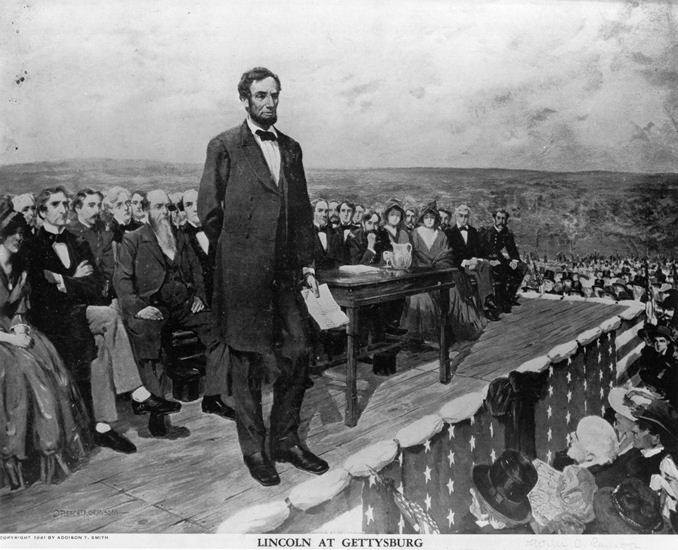
I missed an important anniversary this past Saturday on November 19, 2022.  That was the 159th anniversary of the Gettysburg Address, presented by President Abraham Lincoln.

The famous address by the 16th President of the United States was given to consecrate the newly designated National Cemetery at Gettysburg, PA.  One of the most famous battles of the Civil War, the Battle of Gettysburg, was fought just four months earlier: July 1 – 3, 1863.  This three-day battle left almost 8,000 men from both sides dead and laying in the fields at the little town of just 2,500 people.  Faced with quickly disposing of the dead, a designation of a national cemetery outside the little town was quickly put together and dignitaries were invited to speak at its dedication.  The main speaker was to be a great orator of the time, Edward Everett, who spoke for two hours that day.  President Lincoln, whose invitation was almost an afterthought since it was believed he would not attend, spoke for just two minutes, giving a 272-word speech that has lasted the ages and is considered one of the most famous speeches ever given by anyone.

In addition to the more than 3,500 Union soldiers buried there, the cemetery contains the remains of American soldiers and dependents from the Civil War to the Vietnam Conflict.

According to the www.abrahamlincolnonline.org website, “There are five known copies of the speech in Lincoln’s handwriting, each with a slightly different text, and named for the people who first received them:  Nicolay, Hay, Everett, Bancroft, and Bliss.  Two copies apparently were written before delivering the speech, one of which probably was the “reading copy.”  The remaining ones were produced months later for soldier benefit events.  Despite widely circulated stories to the contrary, the President did not dash off a copy aboard a train to Gettysburg.  Lincoln carefully prepared all his major speeches in advance; his steady, even script in every manuscript is consistent with a firm writing surface, not the notoriously bumpy Civil War-era trains.  Additional versions of the speech appeared in newspapers of the era, feeding modern-day confusion about the authoritative text.

Bliss Copy

“Ever since Lincoln wrote it in 1863, this version has been the most often reproduced, notably on the walls of the Lincoln Memorial in Washington. It is named after Colonel Alexander Bliss, stepson of historian George Bancroft. Bancroft asked President Lincoln for a copy to use as a fundraiser for soldiers. However, because Lincoln wrote on both sides of the paper, the speech could not be reprinted, so Lincoln made another copy at Bliss’s request. It is the last known copy written by Lincoln and the only one signed and dated by him. Today it is on display in the Lincoln Room of the White House.”

The Bliss Copy of the Gettysburg Address:

Four score and seven years ago our fathers brought forth on this continent, a new nation, conceived in Liberty, and dedicated to the proposition that all men are created equal.

Now we are engaged in a great civil war, testing whether that nation, or any nation so conceived and so dedicated, can long endure. We are met on a great battle-field of that war. We have come to dedicate a portion of that field, as a final resting place for those who here gave their lives that that nation might live. It is altogether fitting and proper that we should do this.

But, in a larger sense, we can not dedicate — we can not consecrate — we can not hallow — this ground. The brave men, living and dead, who struggled here, have consecrated it, far above our poor power to add or detract. The world will little note, nor long remember what we say here, but it can never forget what they did here. It is for us the living, rather, to be dedicated here to the unfinished work which they who fought here have thus far so nobly advanced. It is rather for us to be here dedicated to the great task remaining before us — that from these honored dead we take increased devotion to that cause for which they gave the last full measure of devotion — that we here highly resolve that these dead shall not have died in vain — that this nation, under God, shall have a new birth of freedom — and that government of the people, by the people, for the people, shall not perish from the earth.

Abraham Lincoln
November 19, 1863


The Scottish Standard ‘Rampant Lion’ and the ‘St. Andrews’ Flags

(Taken from the Scottish-at-Heart.com website)

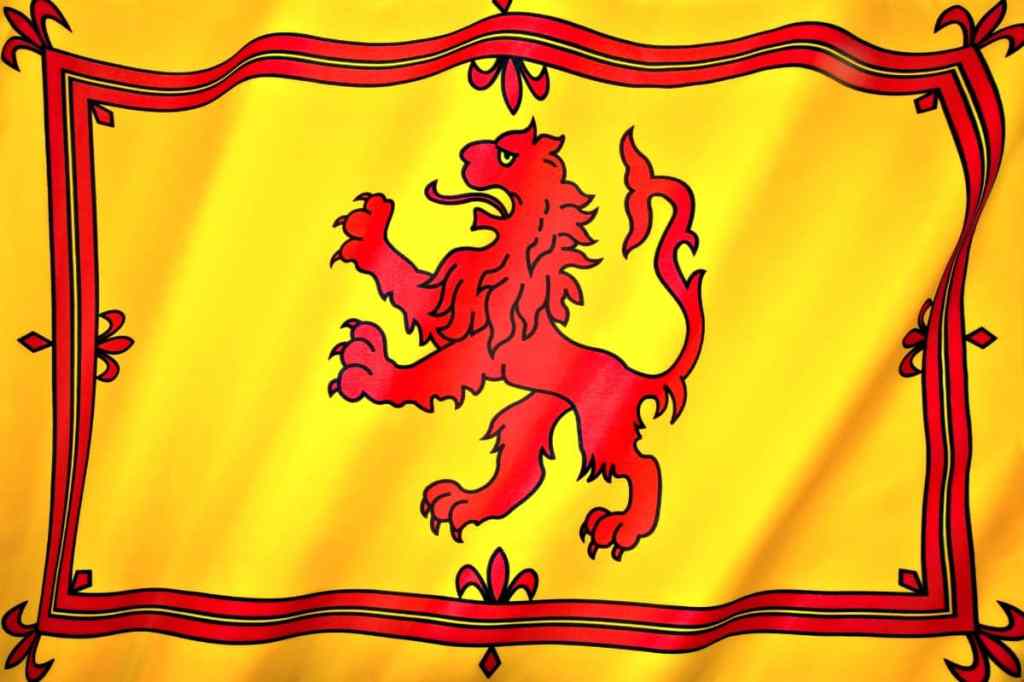
The Lion Rampant…. Royal Flag of Scotland:

Although the national flag of Scotland is the blue and white ‘Saltire’ (aka the St. Andrews Cross flag) there is also a second, quite different, flag which is called the ‘Lion Rampant’.

The ‘Lion Flag’ is often considered the unofficial national flag and referred to as the ‘Royal Flag of Scotland’.

The ‘Royal’ term applies because this flag historically, and legally, belongs to the monarchy (or royalty) – more specifically to a King or Queen of Scotland.

The Scottish Lion Rampant flag today:

Officially (and historically) the ‘Lion’ Flag is only allowed to be flown by a monarch, and today it is traditionally flown at royal residences when the Queen, or now King, is NOT in residence.

According to an Act of Parliament, passed in 1672, it is an offense for any private citizen or corporate body to fly or wave this flag, so they’re not a part of the every-day Scottish scenery.

Unofficially though, it’s often thought of as the ‘Second National Flag of Scotland’ and you’ll generally see hordes of them in the hands of sports fans at national (and international) football and rugby games.

They can also sometimes be seen on Scottish merchandise such as mugs, t-shirts and so on.

Lion Rampant flag at football games

Although this is technically illegal, there doesn’t seem to be any official objections to these displays of patriotism because King George V gave permission for Lion Rampant flags to be waved by the public during his Silver Jubilee celebrations in 1935.

BUT, if anyone wants to fly one from a flagpole or building they do still need to get special permission!