First Nuclear-Powered Sub Launched 70 Years Ago Today

by H.B. Auld, Jr.

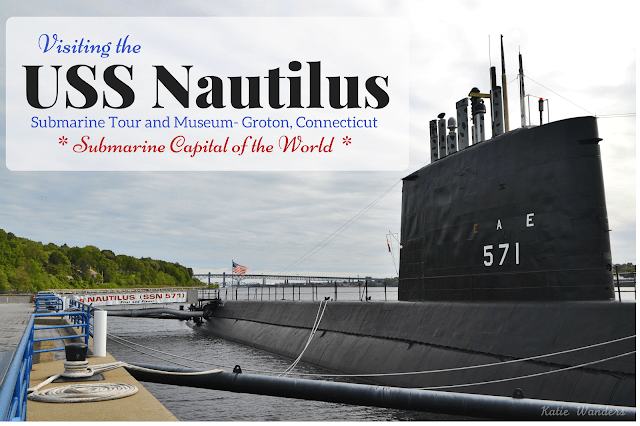
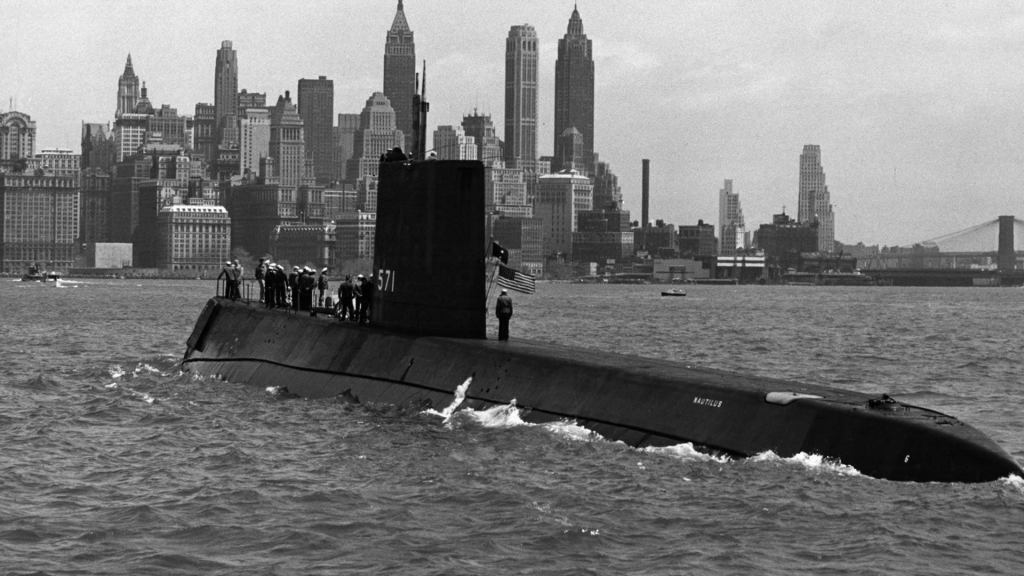
The USS NAUTILUS (SSN 571) was launched 70 years ago today:  January 21, 1954.  Thus opened the beginning of the era of nuclear-powered sea vessels for the US Navy that stands today.

The NAUTILUS was launched from Groton, CT, where it was built and christened.  It was commissioned the following September.  During its 26-year career, it set records, made history, and sailed on sea-going missions only dreamed of before.   The project to plan and build a nuclear propulsion power plant for a submarine was led by then-Captain Hyman G. Rickover, often called the “Father of the Nuclear Navy.”  From then until later-Admiral Rickover retired, not a single naval officer entered the Nuclear Navy serving ashore, afloat, or in the Submarine Service without the express permission and approval of Admiral Rickover.  Naval officers withstood a brutal interview process where one wrong misstep or word could eliminate them from nuclear consideration.  Many young Ensigns who withstood and passed Admiral Rickover’s withering interview later went on to serve as four-star admirals themselves, some of them as the US Navy Chief of Operations.

…examples of the legendary application process….

The following stories are examples of the legendary application process to become a nuclear officer under Admiral Rickover. Real or apocryphal, they illustrate the difficulty in becoming a US Navy nuclear officer under Admiral Hyman G. Rickover:

               ONE:  Admiral Rickover invited a group of Ensigns to breakfast in his stateroom one morning.  During breakfast, he observed one Ensign salting his eggs.  He asked, “Ensign, how did you know those eggs needed salting?”   “Sir,” the Ensign answered, “I assumed they needed salt; all eggs need seasoning.”  “Ensign,” Admiral Rickover replied, “You are dismissed.  I want no officer working for me who assumes anything.”  With that, the Ensign immediately returned to the surface fleet.

               TWO:  Admiral Rickover, during an especially tough interview, asked an Ensign: “Son, I won’t have an officer working for me who loses his temper.  I want you to make me mad. Go on, do it.”  The Ensign walked over to a beautifully detailed wooden model of the USS CONSTITUTION sailing ship.  He picked it up, admired it, then dashed it into hundreds of pieces on the floor at Admiral Rickover’s feet.  The Admiral quietly stared daggers through the Ensign for several minutes while he pushed his own temper back down.  When he knew he was composed, he quietly told the Ensign.  “You passed.  Now get out of my office!”

               THREE:  Admiral Rickover always kept a jar of hard candy on his desk.  Whenever an interviewee would enter, Admiral Rickover would always genially offer the Ensign a piece of candy.  Later, at the end of the interview, Admiral Rickover would again offer the same Ensign another piece of candy before his departure.  It did not matter if the Ensign took a piece of candy or not.  The admiral wanted to see if the Ensign would change his mind and take or refuse candy he had already taken or refused at the beginning of the interview.  He wanted no Sailors in the nuclear program who would be indecisive and change their minds.

The latest nuclear-powered submarine is the Fast Attack Virginia-class submarine USS HYMAN G. RICKOVER (SSN 795), commissioned October 14, 2023. 


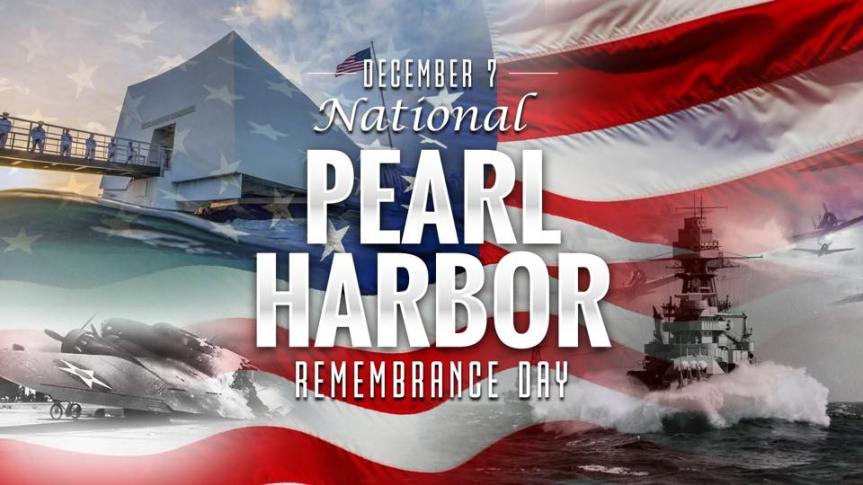
Pearl Harbor Ambushed in Sunday Morning Attack 82 Years Ago Today

by HB Auld, Jr. (reprinted from this Weblog earlier)

Eighty-two years ago today on December 7, 1941, Imperial Japan attacked the neutral United States with a surprise Sunday morning ambush on naval bases at Pearl Harbor, HI.

During the unprovoked assault on the United States, aircraft from the Imperial Japanese Navy Air Service killed 2,403 US citizens and injured 1,178 others. It also sank four battleships and damaged four others, damaged three cruisers, three destroyers, and one minelayer. Additionally, 188 aircraft were destroyed and another 159 planes were damaged.

“…a date which will live in infamy….”

President Franklin Delano Roosevelt

The following day, US President Franklin Delano Roosevelt appeared before Congress and, declaring the previous day “…a date which will live forever in infamy…,” requested that Congress declare war against Japan. Congress quickly complied and the United States entered World War II hostilities against Japan.

My own father, HB Auld, Sr., was already serving in the US Army when Japan attacked Pearl Harbor and spent the remainder of his military service fighting the Japanese on the island of New Guinea.

My father-in-law, JB Kattes, enlisted in the US Army on December 11, 1941, four days after the surprise attack, and served in the US Army in Washington, Alaska, and Georgia until the end of the War.

God bless all of the men and women who served and all of those who gave their lives in Pearl Harbor and elsewhere in the War.

ALWAYS REMEMBER: THAT DAY IN DECEMBER: God bless America!


Jeopardy! Streak Ends 19 Years Ago

by HB Auld, Jr.

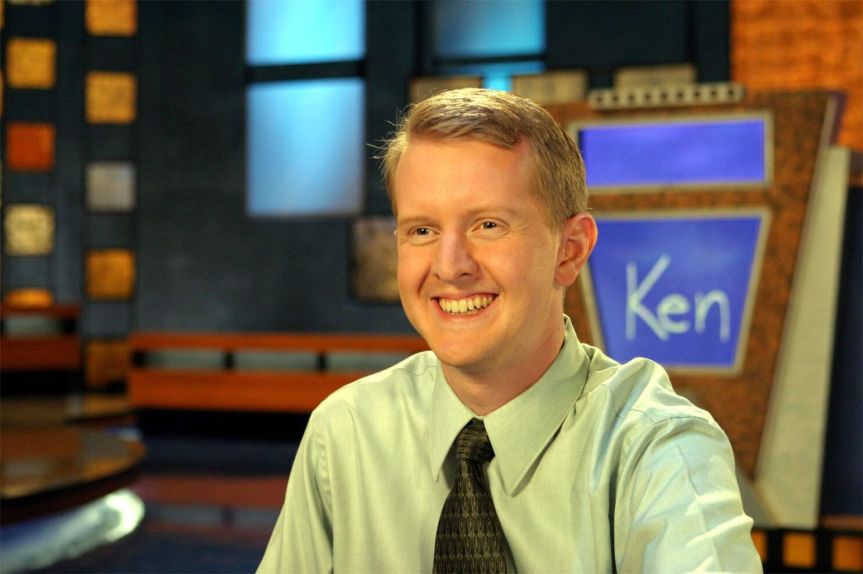
Nineteen years ago today on November 30, 2004, the longest running streak in Jeopardy! history ended. Ken Jennings answered the Final Jeopardy! question incorrectly, ending his 74-game winning streak. During that streak, he amassed $2.5 million dollars in winnings.

Ken Jennings’ record streak ran from June 2 to November 30, 2004. He was defeated by Nancy Zerg who was then defeated the next day. In his 75th and final game, Ken answered “Fed-Ex” to Nancy’s correct answer of “H&R Block.”

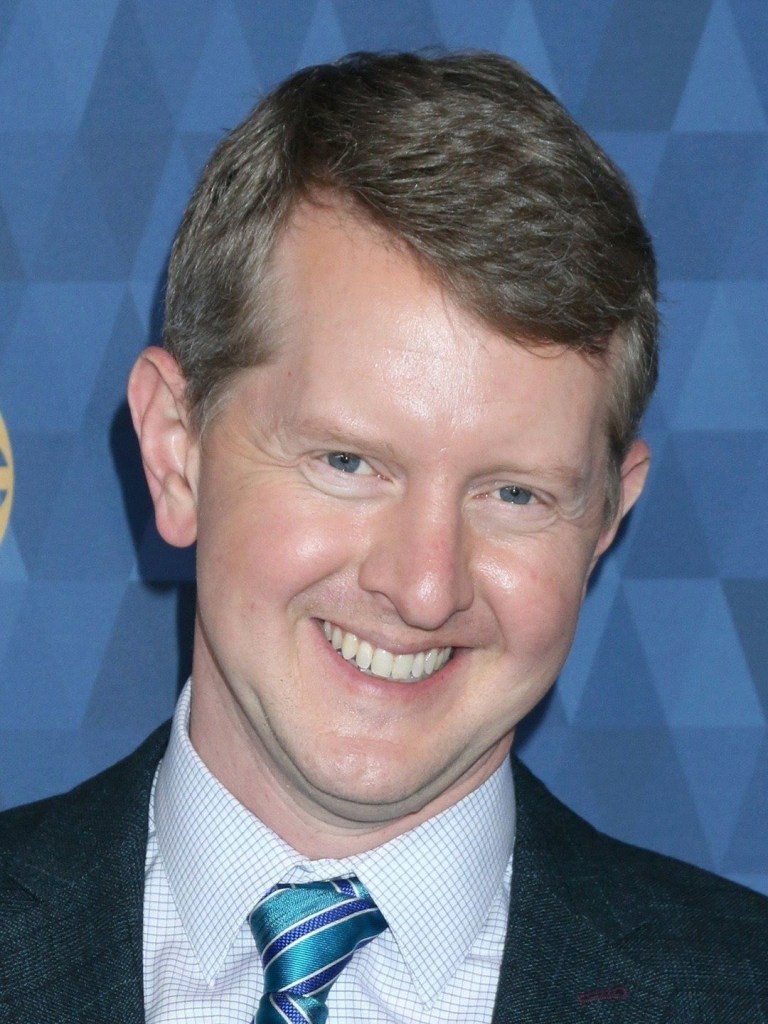
Forty-nine year old Jennings ascended to Jeopardy! host duties after long-time host Alex Trebek died of pancreatic cancer November 8, 2020.


Beatle George Harrison Died 22 Years Ago on November 29, 2001

by HB Auld, Jr, (reprinted from this blog, November 29, 2021)

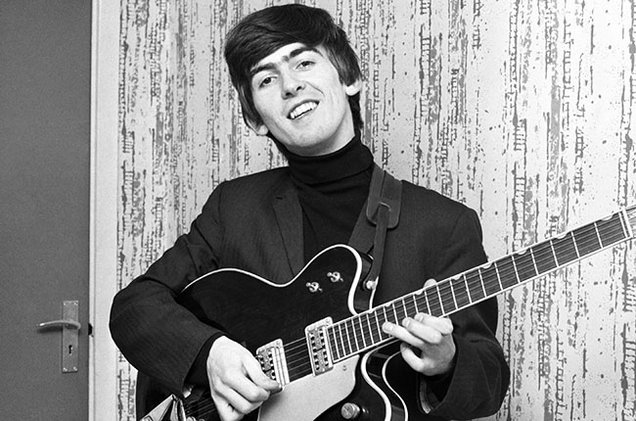
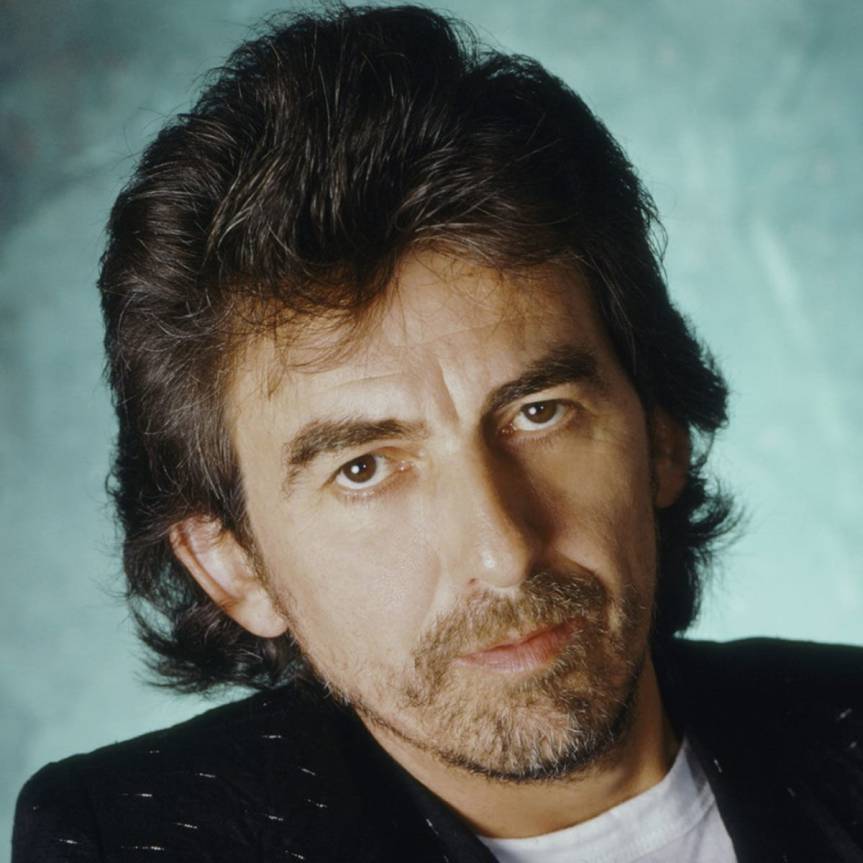
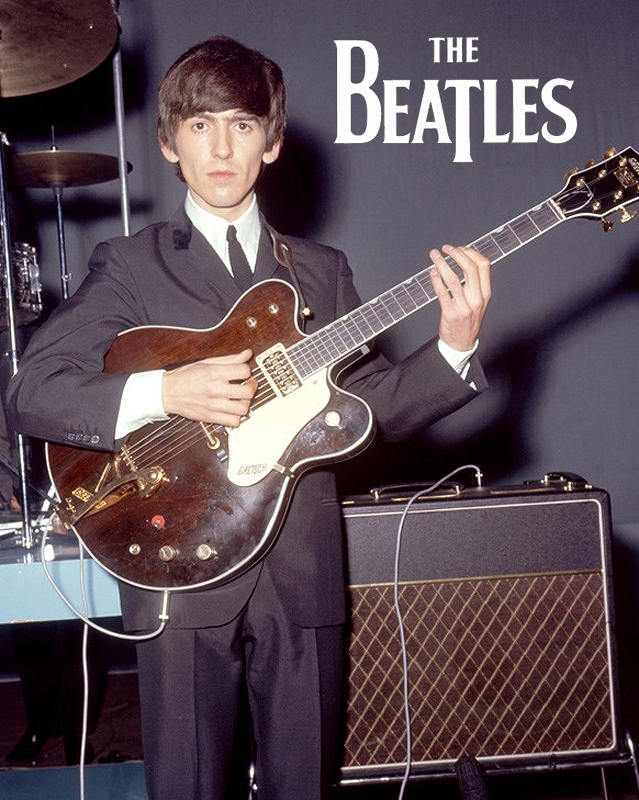
Remembering “the quiet Beetle,” George Harrison who died 22 years ago today, November 29, 2001, of non-small cell lung cancer which spread to his brain. George Harrison was 58 years old.

George Harrison was born in Liverpool, England, on February 25, 1943. He met Paul McCartney on a bus on the way to school and bonded over music. Later, he auditioned for John Lennon with Paul who played as “The Quarrymen,” a skiffle group. John turned George down as being too young at 15. Later, he re-auditioned for John on the top of a double-decker bus. He wound up playing for The Quarrymen as a guitar fill-in when needed.
When The Beatles broke up in 1970, George Harrison released his “All Things Must Pass” album, which included his hit single, “My Sweet Lord.” George was sued by The Chifons in 1971, claiming his My Sweet Lord was plagiarized from their “He’s So Fine.” George denied consciously plagiarizing their hit, but lost in US court when the judge judge ruled that he had done so subconsciously.

In 1971, George joined Ravi Shankar in the live The Concert for Bangladesh at Madison Square Garden to raise money and awareness for the starving refugees of the Bangladesh Liberation War.

In 1988, George formed The Traveling Wilburys with Jeff Lynne, Roy Orbison, Bob Dylan and Tom Petty and recorded “Traveling Wilburys Vol. 1.” After Roy Orbison’s death in 1988, the group recorded their second album as a quartet. George came up with the prank idea to name it “Traveling Wilburys Vol. 3.” just “…to confuse the buggers.”

George and his wife, Olivia, were attacked in their home in Friar Park on December 30, 1999, by Michael Abram, a 34-year old suffering from mental illness. George was stabbed 40 times, including once which punctured his lung. Abrams later expressed remorse for the attack.

In May, 2001, George underwent lung surgery to remove a cancerous growth from one of his lungs/ In November 2001, he began radiotherapy at Staten Island University Hospital in New York City for non-small cell lung cancer that had spread to his brain. When the news was made public, Harrison lamented his physician’s breach of his privacy, and his estate later claimed damages.

George Harrison died on private property belonging to Paul McCartney on Heather Road in Beverly Hills, Los Angeles, CA. At his death, he was surrounded by his wife, Olivia; his son, Dhani; his friend, Ravi Shankar; and others. After George died, his ashes were scattered, according to Hindu tradition, by his close family in a private ceremony in the Ganges and Yamunba Rivers near Varanasi, India.

His final words before he died were to Olivia and Dhani: “Everything else can wait, but the search for God cannot wait, and love one another.”


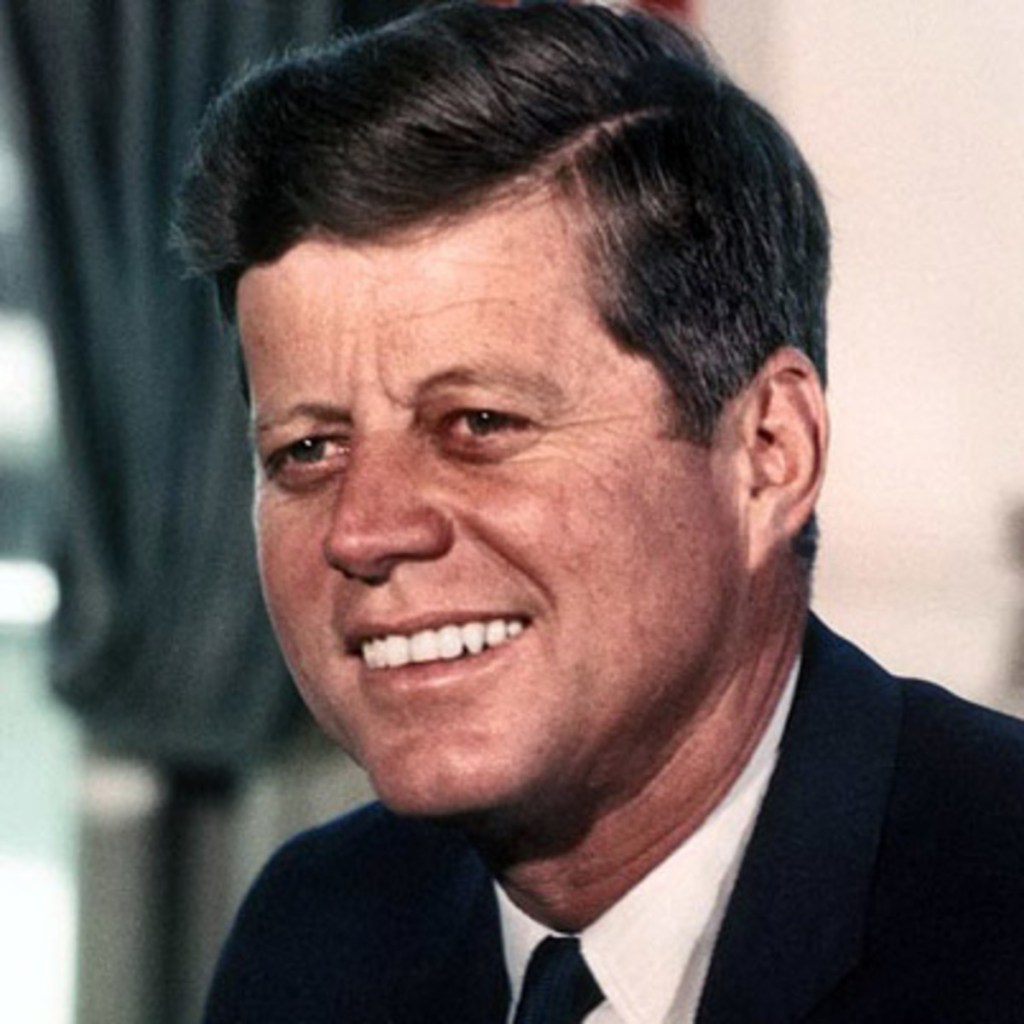
President John Fitzgerald Kennedy Assassinated 60 Years Ago Today

by H. B. Auld, Jr.

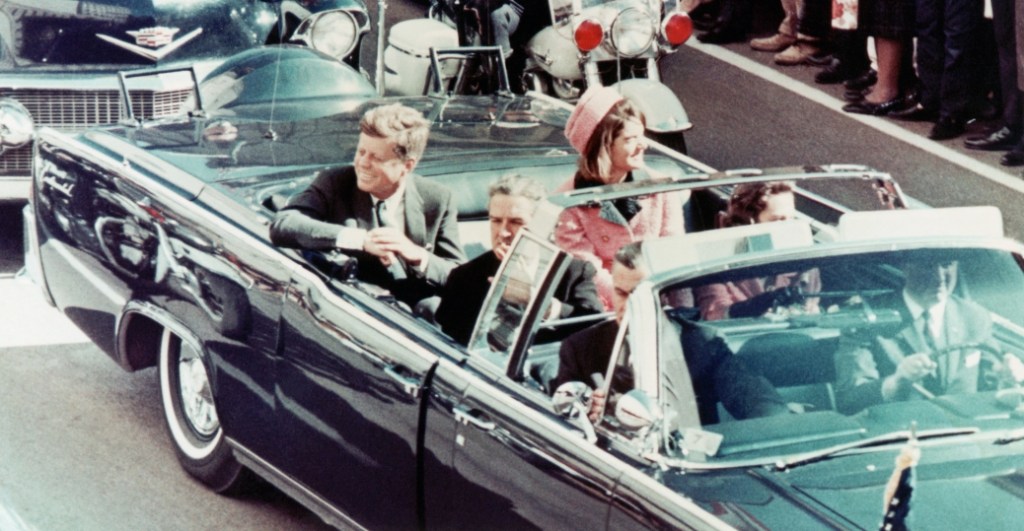
Sixty years ago today at approximately 1:00 p.m., CST, on Friday November 22, 1963, we lost our 35th President of the United States, President John F. Kennedy, to an assassin’s bullets.  He was shot shortly after noon, allegedly by Lee Harvey Oswald, as the presidential motorcade passed through Dealey Plaza in Dallas, Texas. 

President John Fitzgerald Kennedy and his wife of just 10 years, Jacqueline Kennedy, spent the previous night at the Texas Hotel in Fort Worth.  The following morning, President Kennedy, his wife, and a Texas delegation all exited the hotel to fly to Dallas.  A light rain was falling, but several thousand supporters were there to greet him and hear his brief remarks. 

“There are no faint hearts in Fort Worth,” he began, “and I appreciate your being here this morning. Mrs. Kennedy is organizing herself. It takes longer, but, of course, she looks better than we do when she does it.”  He continued his short speech, talking about a strong defense, space issues, and continuing the growing economy. 

The Presidential Party motorcaded to Carswell Air Force Base, where they flew to Love Field in Dallas, thirteen minutes away.  Arriving at Love Field, the President and First Lady went to the fence and greeted well-wishers, shaking several hands.

The rain stopped and the delegation decided to remove the plastic bubble top for the trip through Dallas to the Trade Mart where the President was scheduled to speak at a luncheon there. 

President Kennedy was struck in his neck and his head.

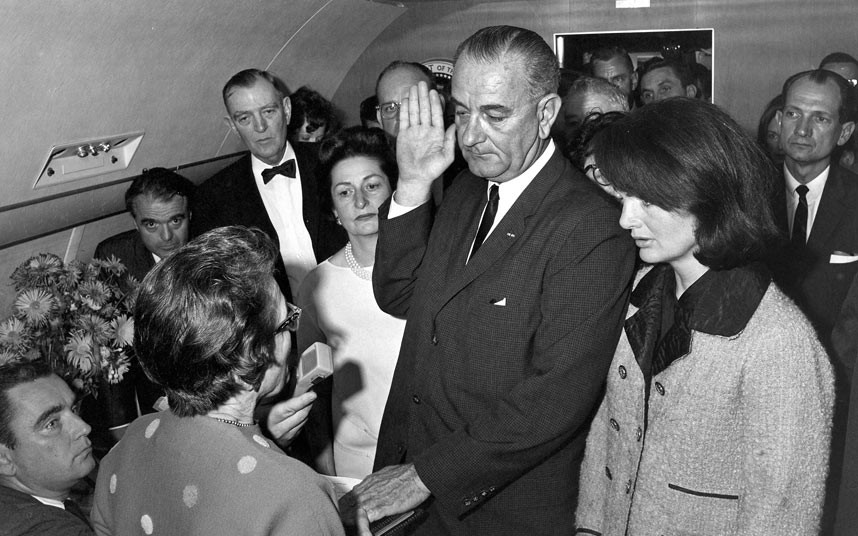
Making its way through Dallas, the motorcade turned from Main Street into Dealy Plaza.  As it drove past the Texas School Book Depository on their right, gunshots rang out.  President Kennedy was struck in his neck and his head.  He slumped toward his wife.  Texas Governor John Connally, a passenger in the President’s limousine, was struck by a bullet in his back.  The motorcade immediately sped away to the closest hospital, Parkland Memorial Hospital, which was just 12 minutes away.  Renowned surgeon, Dr. Robert N. McClelland, worked to revive the stricken president, to no avail.  A Catholic priest entered Trauma Room Three and administered the Last Rites to President Kennedy, who was pronounced dead at 1:00 p.m.  Vice-President Lyndon Baines Johnson, known to his friends as “LBJ,” assumed the presidency when Dallas Judge Sarah T. Hughes administered the Oath of Office aboard Air Force One as LBJ’s wife, Lady Bird Johnson, and JFK’s widow, Jacqueline Bouvier Kennedy, looked on.  Soon afterward, LBJ, the 36th President of the United States, flew back to Andrews Air Force Base in Maryland, with Air Force One carrying the body of President John F. Kennedy in a casket in the belly of the aircraft.

President John F. Kennedy’s accused assassin, Lee Harvey Oswald, was himself killed 48 hours later on Sunday as he was being transferred from police headquarters to the Dallas County Jail. 

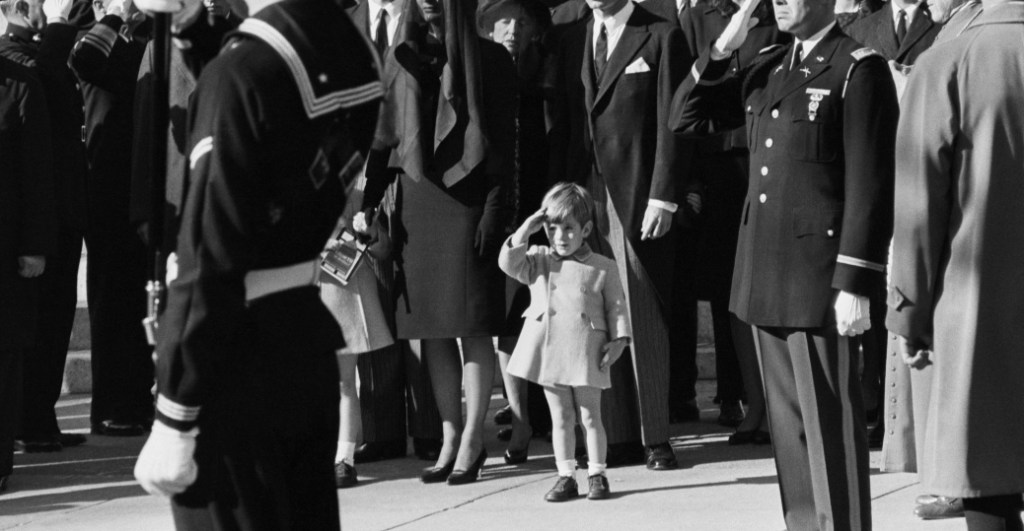
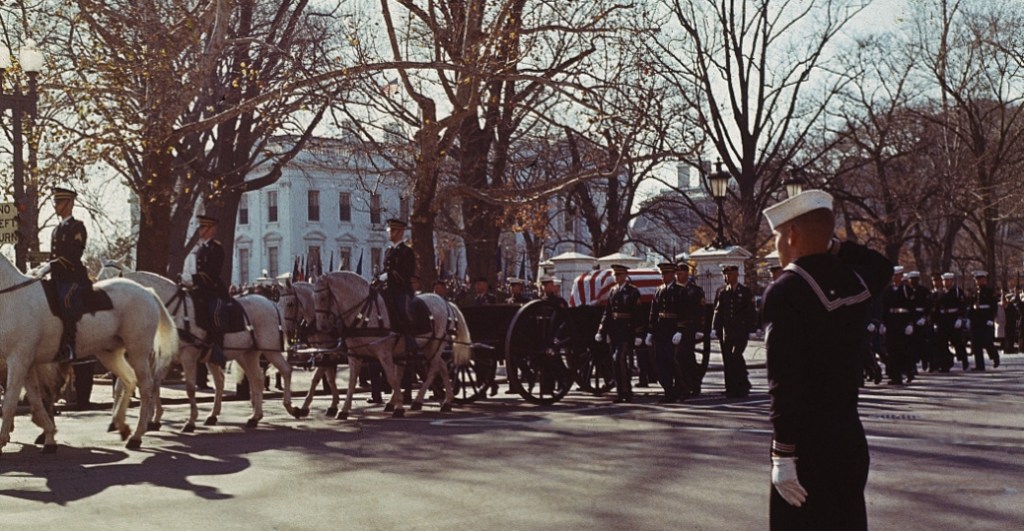
The late President John F. Kennedy was buried with full military honors at Arlington National Cemetery the next day, Monday, November 25, 1963.

The end of the John F. Kennedy Camelot Era brought with it a beginning of some darker times: more assassinations, including his brother Bobby and Dr. Martin Luther King, Jr; the Vietnam War; Watergate; a presidential resignation; 9/11; and more. But it also brought forth times in the sunlight: the Paris Peace Accord, the Ronald Reagan Presidency, the fall of the Berlin Wall, and much more.

Rest In Peace, John Fitzgerald Kennedy.


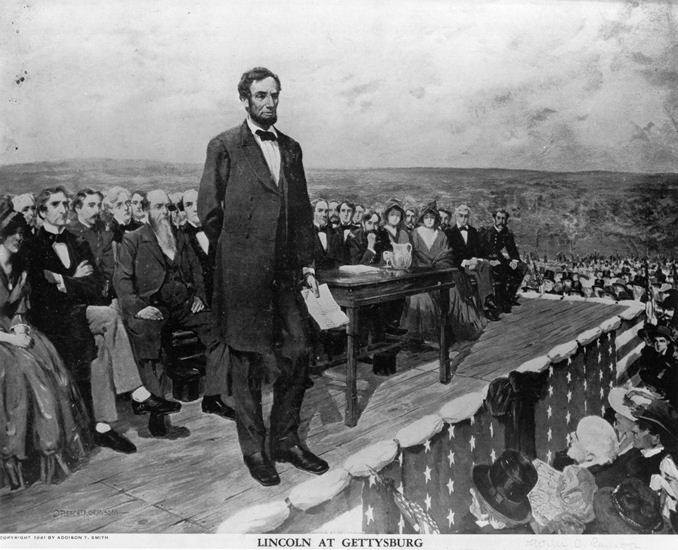
Gettysburg Address: 160 Years Old

by H. B. Auld, Jr.

Sunday, November 19, 2023, was the 160th anniversary of The Gettysburg Address, delivered by President of the United States, Abraham Lincoln. The famous address by the 16th President of the United States was given on November 19, 1863, to consecrate the newly designated National Cemetery at Gettysburg, PA. 

One of the most famous battles of the Civil War, the Battle of Gettysburg, was fought just four months earlier: July 1 – 3, 1863.  This three-day battle left almost 8,000 men from both sides dead and laying in the fields at the little town of just 2,500 people.  Faced with quickly disposing of the dead, a designation of a national cemetery outside the little town was quickly put together and dignitaries were invited to speak at its dedication.  The main speaker was to be a great orator of the time, Edward Everett, who spoke for two hours that day.  President Lincoln, whose invitation was almost an afterthought since it was believed he would not attend, spoke for just two minutes, giving a 272-word speech that has lasted the ages and is considered one of the most famous speeches ever given by anyone.

In addition to the more than 3,500 Union soldiers buried there, the cemetery contains the remains of American soldiers and dependents from the Civil War to the Vietnam Conflict.

According to the www.abrahamlincolnonline.org website, “There are five known copies of the speech in Lincoln’s handwriting, each with a slightly different text, and named for the people who first received them:  Nicolay, Hay, Everett, Bancroft, and Bliss.  Two copies apparently were written before delivering the speech, one of which probably was the “reading copy.”  The remaining ones were produced months later for soldier benefit events.  Despite widely circulated stories to the contrary, the President did not dash off a copy aboard a train to Gettysburg.  Lincoln carefully prepared all his major speeches in advance; his steady, even script in every manuscript is consistent with a firm writing surface, not the notoriously bumpy Civil War-era trains.  Additional versions of the speech appeared in newspapers of the era, feeding modern-day confusion about the authoritative text.

Bliss Copy

“Ever since Lincoln wrote it in 1863, this version has been the most often reproduced, notably on the walls of the Lincoln Memorial in Washington. It is named after Colonel Alexander Bliss, stepson of historian George Bancroft. Bancroft asked President Lincoln for a copy to use as a fundraiser for soldiers. However, because Lincoln wrote on both sides of the paper, the speech could not be reprinted, so Lincoln made another copy at Bliss’s request. It is the last known copy written by Lincoln and the only one signed and dated by him. Today it is on display in the Lincoln Room of the White House.”

The Bliss Copy of the Gettysburg Address:

Four score and seven years ago our fathers brought forth on this continent, a new nation, conceived in Liberty, and dedicated to the proposition that all men are created equal.

Now we are engaged in a great civil war, testing whether that nation, or any nation so conceived and so dedicated, can long endure. We are met on a great battle-field of that war. We have come to dedicate a portion of that field, as a final resting place for those who here gave their lives that that nation might live. It is altogether fitting and proper that we should do this.

But, in a larger sense, we can not dedicate — we can not consecrate — we can not hallow — this ground. The brave men, living and dead, who struggled here, have consecrated it, far above our poor power to add or detract. The world will little note, nor long remember what we say here, but it can never forget what they did here. It is for us the living, rather, to be dedicated here to the unfinished work which they who fought here have thus far so nobly advanced. It is rather for us to be here dedicated to the great task remaining before us — that from these honored dead we take increased devotion to that cause for which they gave the last full measure of devotion — that we here highly resolve that these dead shall not have died in vain — that this nation, under God, shall have a new birth of freedom — and that government of the people, by the people, for the people, shall not perish from the earth.

Abraham Lincoln
“November 19, 1863


Star Trek Debuts on this Date on TV

by HB Auld, Jr.

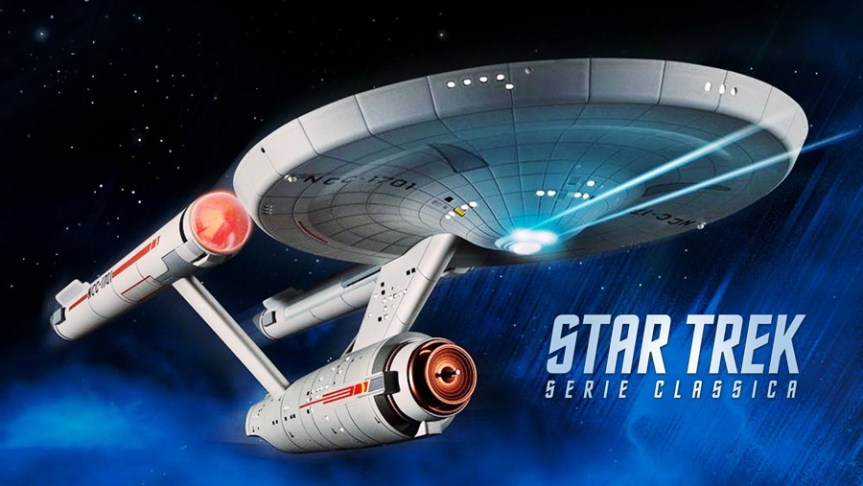
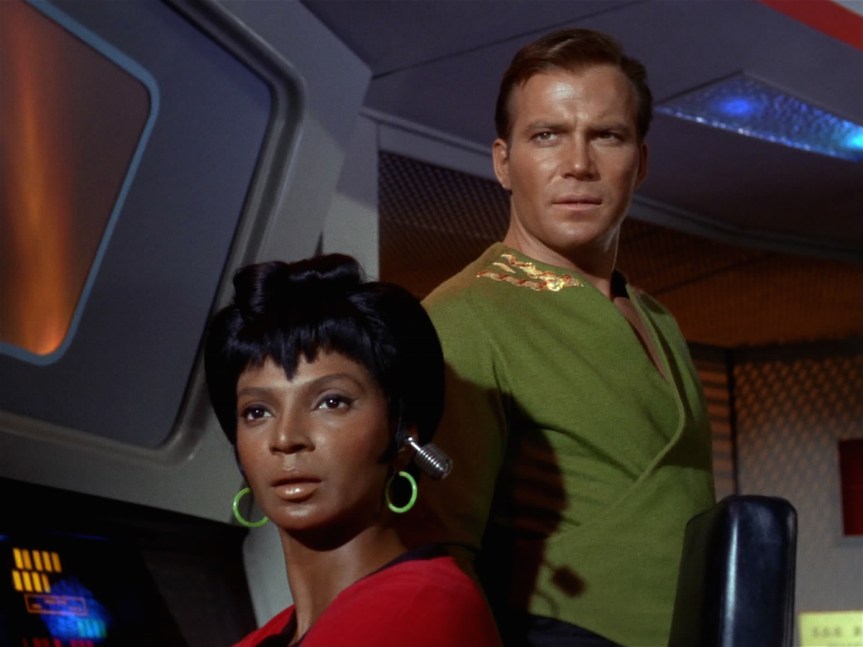
Star Trek, the Original Series, debuted on television on this date, 57 years ago on September 8, 1966.

The first episode was entitled: “The Man Trap.” In this episode, the Enterprise visits a planet to perform routine medical examinations of the husband-and-wife archaeological team. The woman has been replaced by a shape-shifting creature.


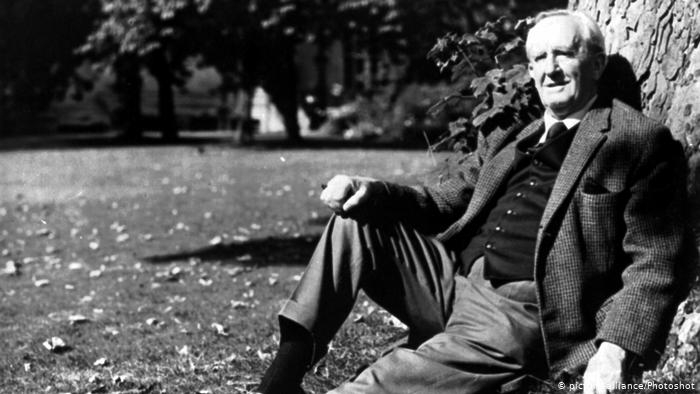
Today is the 50th Anniversary of the Death of the Great Writer and Philologist: J.R.R. Tolkien (9-2-1973)

Today is the 50th anniversary of the passing of the great writer and philologist, John Ronald Reuel Tolkien, known professionally as J. R. R. Tolkien. The following is copied from a remembrance and homage posted elsewhere today by my son, a great fan of Professor Tolkien and his written works:

“The Professor, J.R.R. Tolkien, passed on to his reward on September 2, 1973. That’s 50 years ago today.

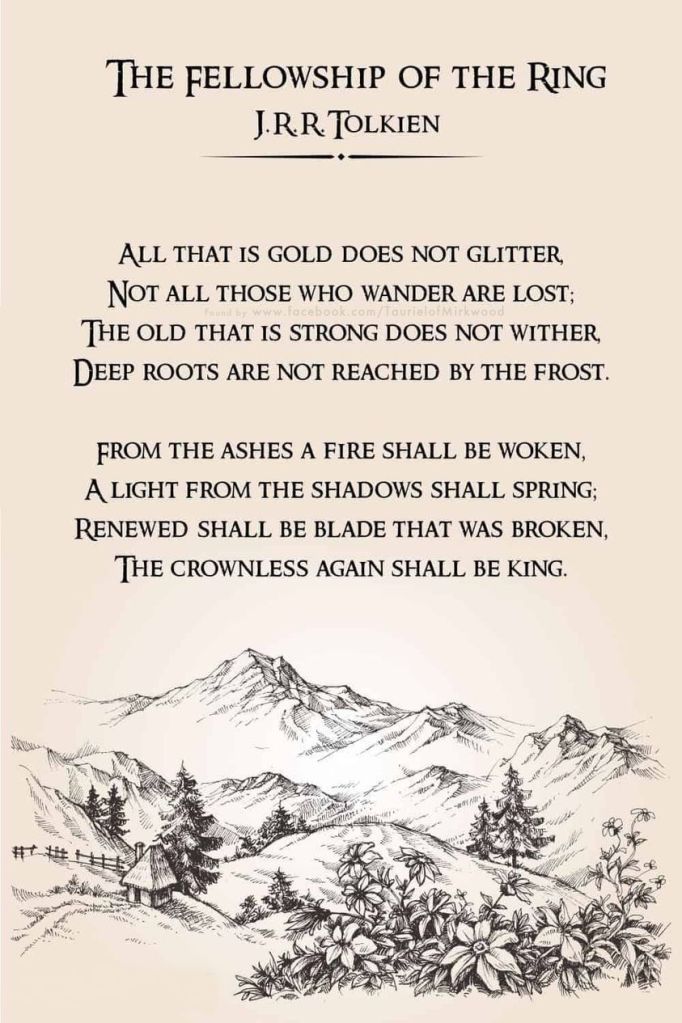
In 1937, he gave us The Hobbit, a playful there-and-back-again adventure faerie story. Over the next 20 years he produced an an epic high-fantasy legend, as he cast a spell over tens of thousands of Americans in the ’60s with his 500,000-word trilogy, “The Lord of the Rings,” in essence a fantasy of the war between ultimate good and ultimate evil. For many of us, it is the finest work of English literature, full stop. The next 20 years were spent collating and rewriting the tales and histories he’d been working on since 1914 (during World War I, including his time at the Somme), the stories that would become The Silmarillion, published four years after his death by his son and literary heir, Christopher.

Somewhere in all that time J.R.R. found time to produce A Middle English Vocabulary and a definitive edition of Sir Gawain and the Green Knight; both became academic standard works for several decades. He invented several fully developed languages (and alphabets), translated Sir Gawain, Pearl, and Sir Orfeo. He published a philological essay in 1932 on the name “Nodens“, following the unearthing of a Roman Asclepeion at Lydney Park, Gloucestershire. He translated Beowulf, finally published in 2014. He became the Merton Professor of English Language and Literature at Oxford, was an external examiner for University College, Galway; had four children to whom he was very devoted, was a consultant and translator for The Jerusalem Bible, was made a Commander of the Order of the British Empire and received the insignia of the Order at Buckingham Palace.

It’s been 50 years since he passed on, nine years short of the length of his writing career, but the gifts he left us will live on forever.”


Sixty Years Ago Today: MLK Gave his Famous ‘I Have a Dream’ Speech

by H. B. Auld, Jr.

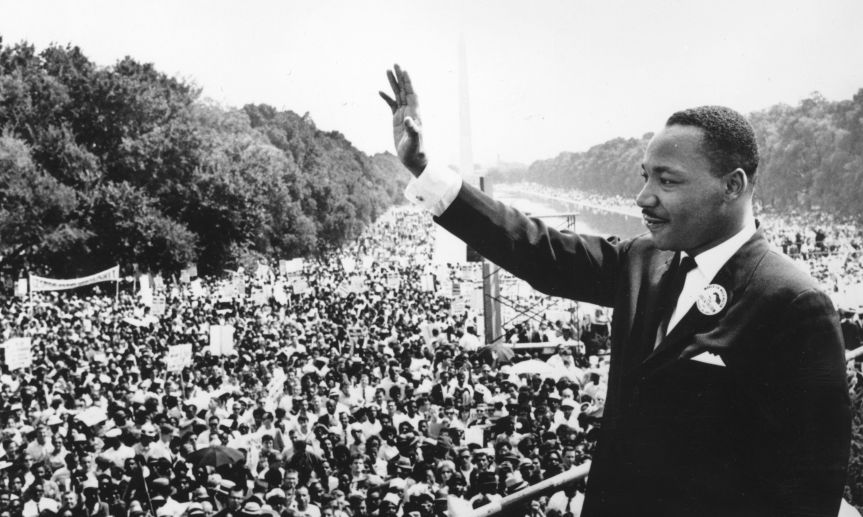
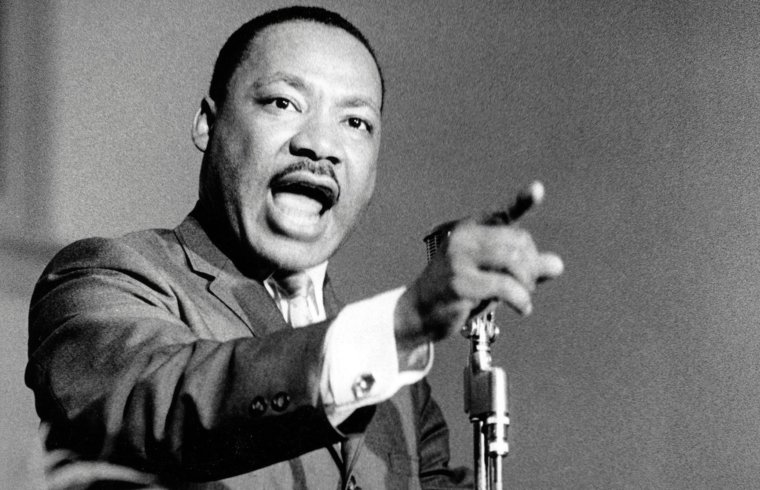
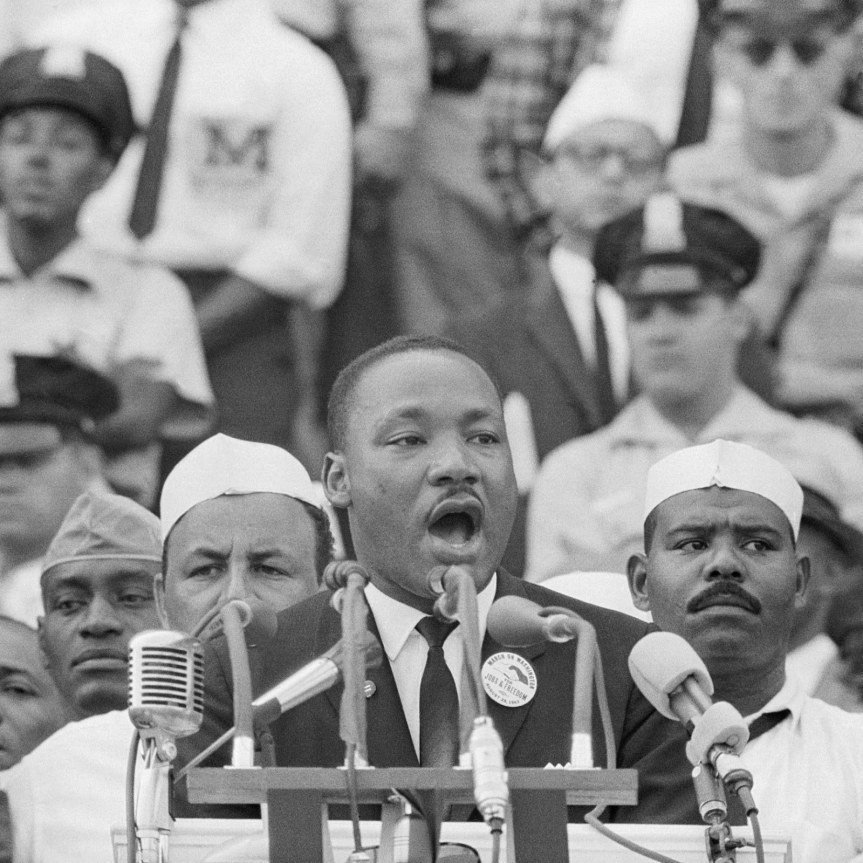
Sixty years ago today, August 28, 1963, the Reverend Martin Luther King, Jr., delivered a speech to a crowd of civil rights marchers at the Lincoln Memorial in Washington, D.C.  That speech became famously known as the “I Have a Dream” speech, due to its repetitive refrain:

“I have a dream that one day on the red hills of Georgia, the sons of former slaves and the sons of former slave owners will be able to sit down together at the table of brotherhood.

“I have a dream that one day even the state of Mississippi, a state sweltering with the heat of injustice, sweltering with the heat of oppression, will be transformed into an oasis of freedom and justice.

“I have a dream that my four little children will one day live in a nation where they will not be judged by the color of their skin but by the content of their character. I have a dream today.

“I have a dream that one day down in Alabama with its vicious racists, with its governor having his lips dripping with the words of interposition and nullification, one day right down in Alabama little Black boys and Black girls will be able to join hands with little white boys and white girls as sisters and brothers. I have a dream today.

‘Free at Last. Free at Last. Thank God Almighty, we are Free at Last.’

Martin Luther King, Jr.’s “I Have a Dream” Speech

“I have a dream that one day every valley shall be exalted, every hill and mountain shall be made low, the rough places will be made plain, and the crooked places will be made straight, and the glory of the Lord shall be revealed, and all flesh shall see it together.”

Just 17 minutes after it began, his great oration ends: 

“And when this happens, and when we allow freedom ring, when we let it ring from every village and every hamlet, from every state and every city, we will be able to speed up that day when all of God’s children, Black men and white men, Jews and Gentiles, Protestants and Catholics, will be able to join hands and sing in the words of the old Negro spiritual: Free at last. Free at last. Thank God Almighty, we are free at last.”

The official name for this march on Washington was: “March on Washington for Jobs and Freedom.” More than a quarter of a million people gathered at the foot of the Lincoln Memorial to hear this paramount push for social and racial equality.


The Day ‘Rock and Roll’ Was Born

by H. B. Auld, Jr.

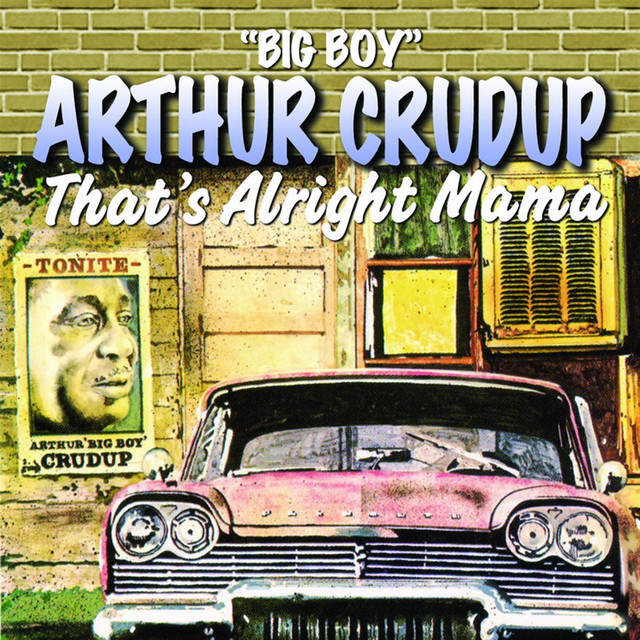
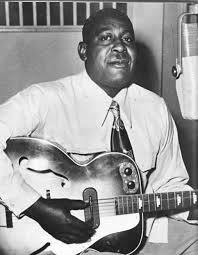
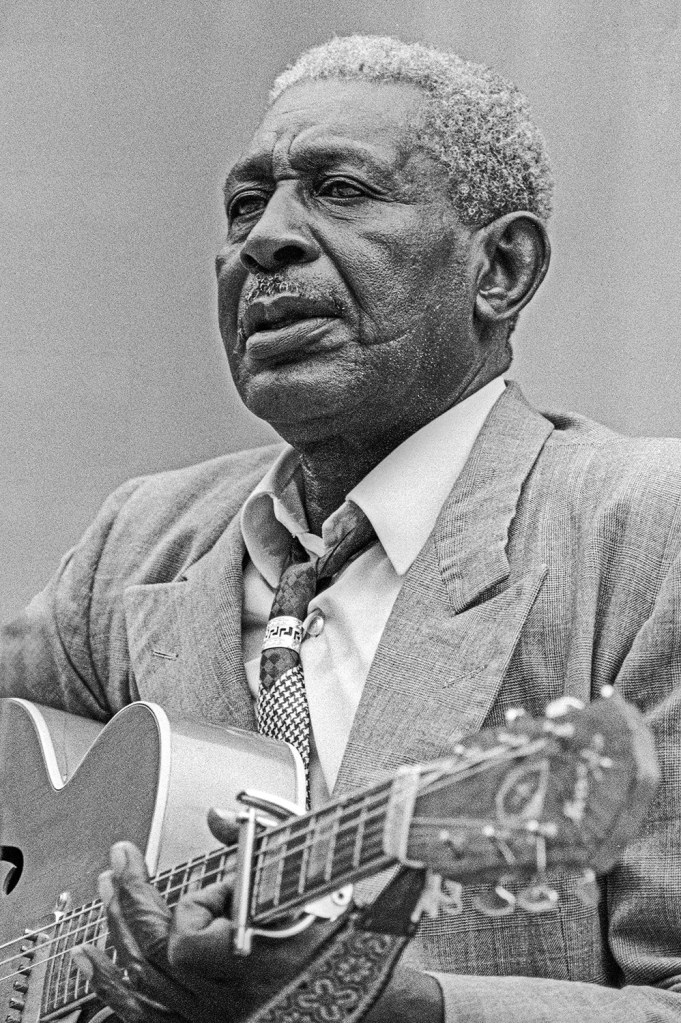
Today is a special day in rock and roll history. Today is the anniversary of the birth of blues musician Arthur “Big Boy” Crudup. Not familiar with the name? He wrote and recorded the song that eventually started the career of the biggest rock and roll star in history.

Arthur “Big Boy” Crudup was born August 24, 1905, in Forest, MS (Some sources say he was born August 25th). He died in Nassawadox, VA, March 28, 1974, at the age of 68 years. Arthur recorded the song “That’s All Right (Mama)” in 1946. Eight years later that song started the career of Elvis Presley when he re-recorded that old blues number on July 5, 1954, in Sam Phillips’ Sun studio in Memphis.

Elvis’ version was released under Arthur’s original title, “That’s All Right,” and lists the record’s performers as Elvis, Scotty (Moore,) and Bill (Black). The Presley version was twice as fast as Arthur’s version and is considered by some as one of the first rock and roll records. It was released on July 19, 1954, with “Blue Moon of Kentucky” on the flip or “B” Side.

Arthur’s “That’s All Right” went on to be recorded by many other artists, but he claimed he never made a dime in royalties from the song.

Arthur “Big Boy” Crudup’s original 1946 slower version.
Elvis Presley’s faster version, recorded July 5, 1954, in Sun Studios in Memphis.