President John Fitzgerald Kennedy Assassinated 60 Years Ago Today

by H. B. Auld, Jr.

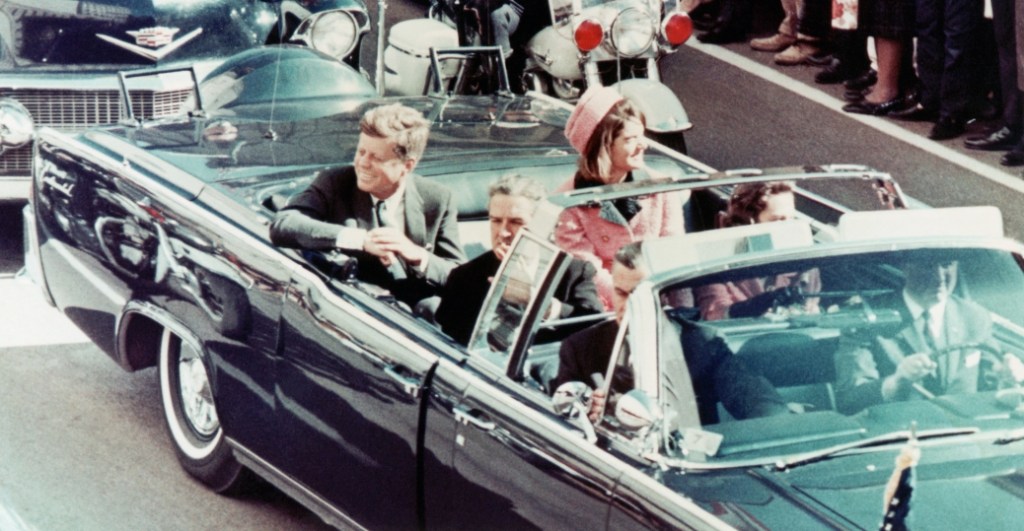
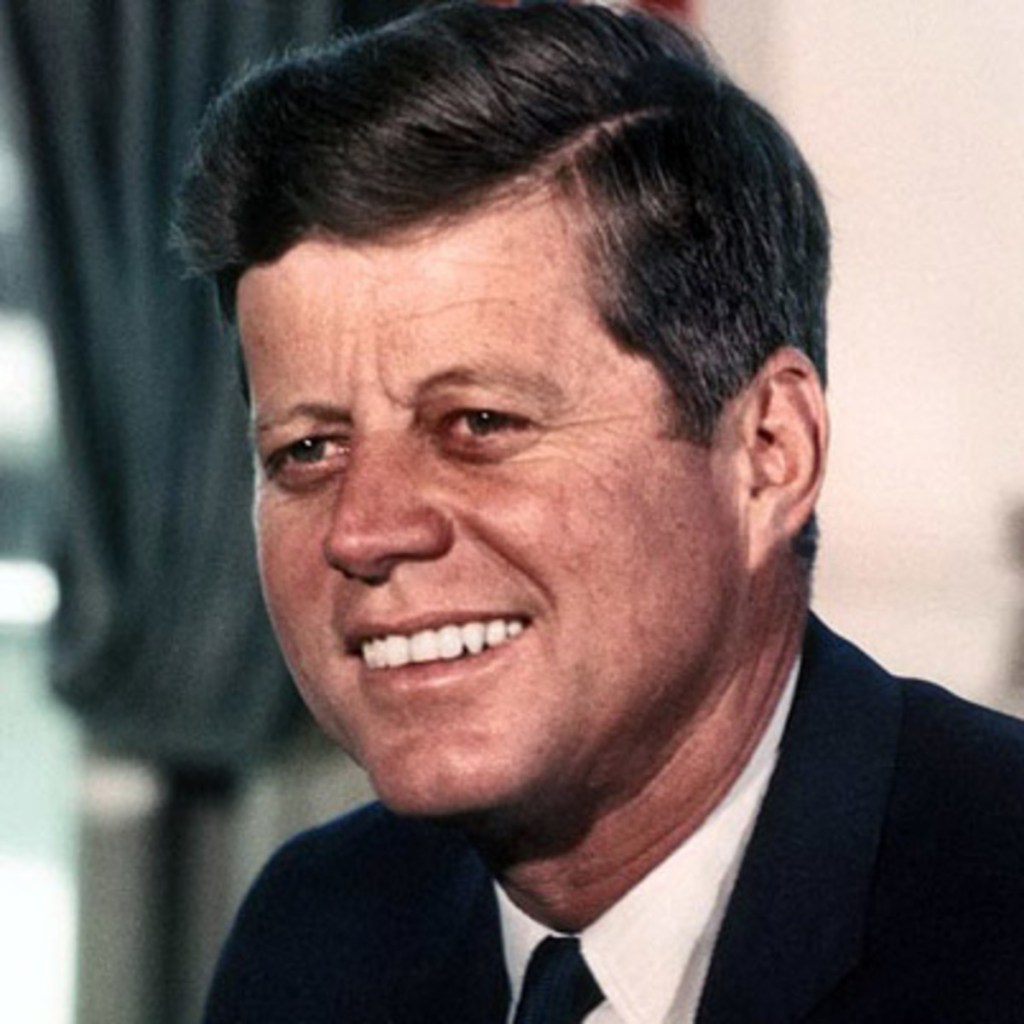
Sixty years ago today at approximately 1:00 p.m., CST, on Friday November 22, 1963, we lost our 35th President of the United States, President John F. Kennedy, to an assassin’s bullets.  He was shot shortly after noon, allegedly by Lee Harvey Oswald, as the presidential motorcade passed through Dealey Plaza in Dallas, Texas. 

President John Fitzgerald Kennedy and his wife of just 10 years, Jacqueline Kennedy, spent the previous night at the Texas Hotel in Fort Worth.  The following morning, President Kennedy, his wife, and a Texas delegation all exited the hotel to fly to Dallas.  A light rain was falling, but several thousand supporters were there to greet him and hear his brief remarks. 

“There are no faint hearts in Fort Worth,” he began, “and I appreciate your being here this morning. Mrs. Kennedy is organizing herself. It takes longer, but, of course, she looks better than we do when she does it.”  He continued his short speech, talking about a strong defense, space issues, and continuing the growing economy. 

The Presidential Party motorcaded to Carswell Air Force Base, where they flew to Love Field in Dallas, thirteen minutes away.  Arriving at Love Field, the President and First Lady went to the fence and greeted well-wishers, shaking several hands.

The rain stopped and the delegation decided to remove the plastic bubble top for the trip through Dallas to the Trade Mart where the President was scheduled to speak at a luncheon there. 

President Kennedy was struck in his neck and his head.

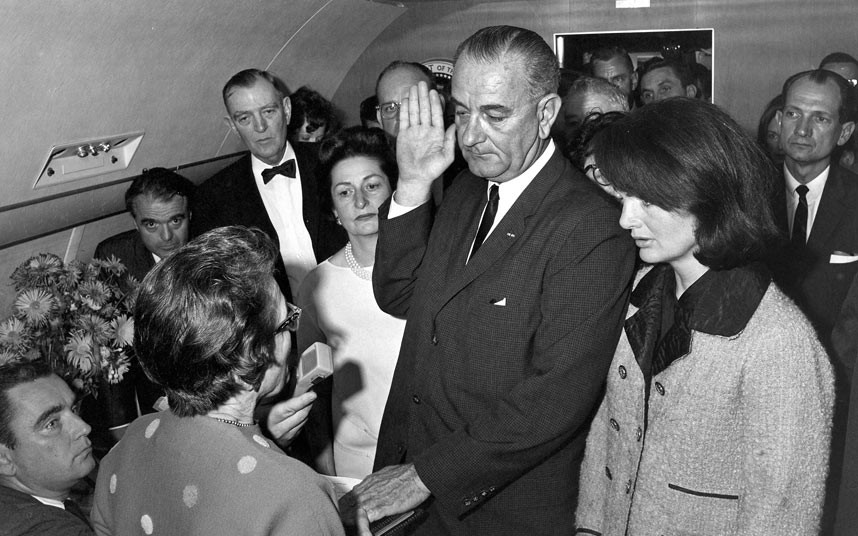
Making its way through Dallas, the motorcade turned from Main Street into Dealy Plaza.  As it drove past the Texas School Book Depository on their right, gunshots rang out.  President Kennedy was struck in his neck and his head.  He slumped toward his wife.  Texas Governor John Connally, a passenger in the President’s limousine, was struck by a bullet in his back.  The motorcade immediately sped away to the closest hospital, Parkland Memorial Hospital, which was just 12 minutes away.  Renowned surgeon, Dr. Robert N. McClelland, worked to revive the stricken president, to no avail.  A Catholic priest entered Trauma Room Three and administered the Last Rites to President Kennedy, who was pronounced dead at 1:00 p.m.  Vice-President Lyndon Baines Johnson, known to his friends as “LBJ,” assumed the presidency when Dallas Judge Sarah T. Hughes administered the Oath of Office aboard Air Force One as LBJ’s wife, Lady Bird Johnson, and JFK’s widow, Jacqueline Bouvier Kennedy, looked on.  Soon afterward, LBJ, the 36th President of the United States, flew back to Andrews Air Force Base in Maryland, with Air Force One carrying the body of President John F. Kennedy in a casket in the belly of the aircraft.

President John F. Kennedy’s accused assassin, Lee Harvey Oswald, was himself killed 48 hours later on Sunday as he was being transferred from police headquarters to the Dallas County Jail. 

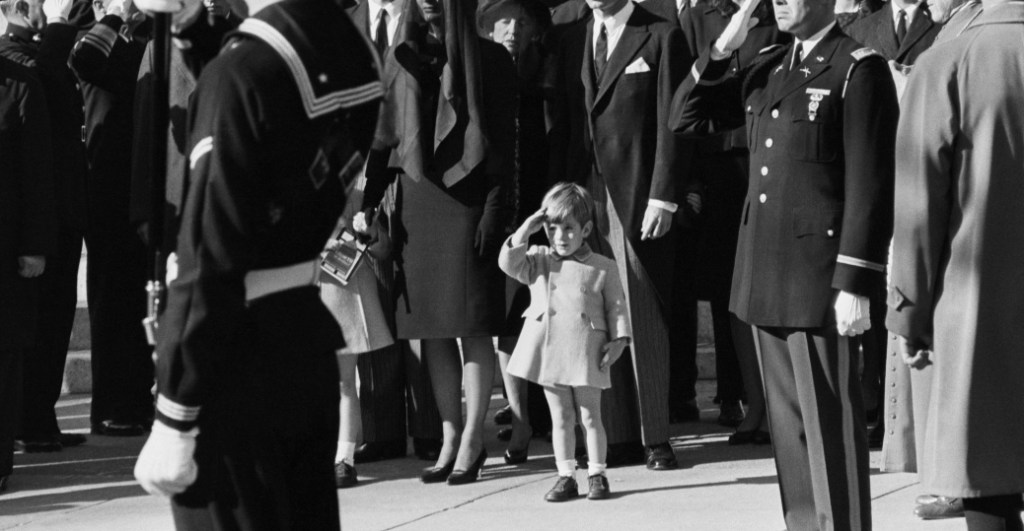
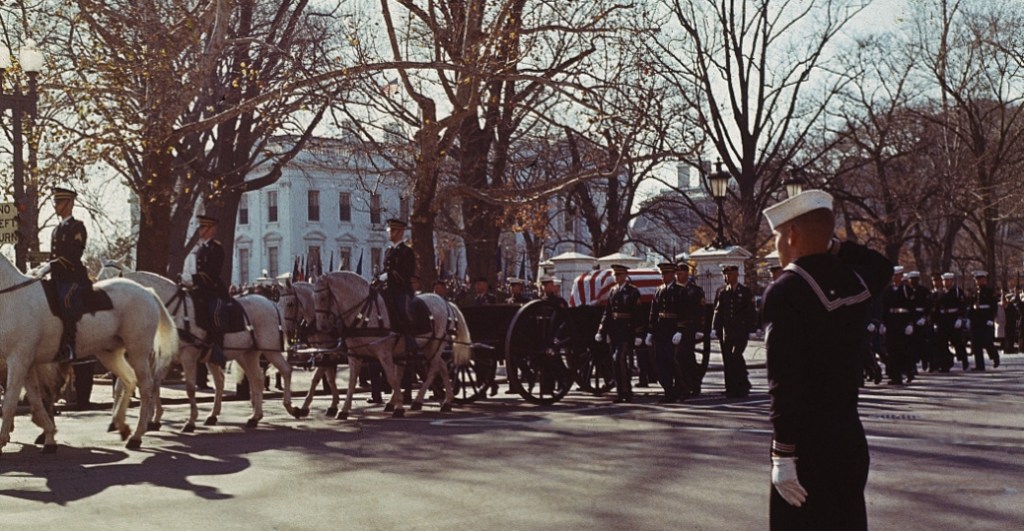
The late President John F. Kennedy was buried with full military honors at Arlington National Cemetery the next day, Monday, November 25, 1963.

The end of the John F. Kennedy Camelot Era brought with it a beginning of some darker times: more assassinations, including his brother Bobby and Dr. Martin Luther King, Jr; the Vietnam War; Watergate; a presidential resignation; 9/11; and more. But it also brought forth times in the sunlight: the Paris Peace Accord, the Ronald Reagan Presidency, the fall of the Berlin Wall, and much more.

Rest In Peace, John Fitzgerald Kennedy.


Gettysburg Address: 160 Years Old

by H. B. Auld, Jr.

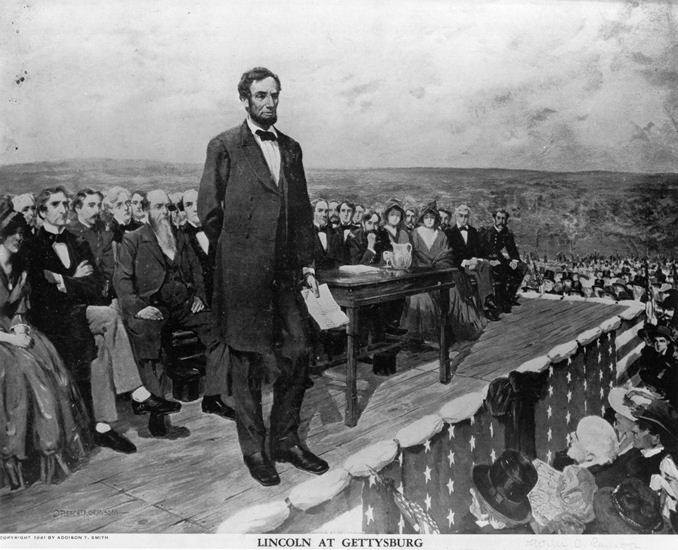
Sunday, November 19, 2023, was the 160th anniversary of The Gettysburg Address, delivered by President of the United States, Abraham Lincoln. The famous address by the 16th President of the United States was given on November 19, 1863, to consecrate the newly designated National Cemetery at Gettysburg, PA. 

One of the most famous battles of the Civil War, the Battle of Gettysburg, was fought just four months earlier: July 1 – 3, 1863.  This three-day battle left almost 8,000 men from both sides dead and laying in the fields at the little town of just 2,500 people.  Faced with quickly disposing of the dead, a designation of a national cemetery outside the little town was quickly put together and dignitaries were invited to speak at its dedication.  The main speaker was to be a great orator of the time, Edward Everett, who spoke for two hours that day.  President Lincoln, whose invitation was almost an afterthought since it was believed he would not attend, spoke for just two minutes, giving a 272-word speech that has lasted the ages and is considered one of the most famous speeches ever given by anyone.

In addition to the more than 3,500 Union soldiers buried there, the cemetery contains the remains of American soldiers and dependents from the Civil War to the Vietnam Conflict.

According to the www.abrahamlincolnonline.org website, “There are five known copies of the speech in Lincoln’s handwriting, each with a slightly different text, and named for the people who first received them:  Nicolay, Hay, Everett, Bancroft, and Bliss.  Two copies apparently were written before delivering the speech, one of which probably was the “reading copy.”  The remaining ones were produced months later for soldier benefit events.  Despite widely circulated stories to the contrary, the President did not dash off a copy aboard a train to Gettysburg.  Lincoln carefully prepared all his major speeches in advance; his steady, even script in every manuscript is consistent with a firm writing surface, not the notoriously bumpy Civil War-era trains.  Additional versions of the speech appeared in newspapers of the era, feeding modern-day confusion about the authoritative text.

Bliss Copy

“Ever since Lincoln wrote it in 1863, this version has been the most often reproduced, notably on the walls of the Lincoln Memorial in Washington. It is named after Colonel Alexander Bliss, stepson of historian George Bancroft. Bancroft asked President Lincoln for a copy to use as a fundraiser for soldiers. However, because Lincoln wrote on both sides of the paper, the speech could not be reprinted, so Lincoln made another copy at Bliss’s request. It is the last known copy written by Lincoln and the only one signed and dated by him. Today it is on display in the Lincoln Room of the White House.”

The Bliss Copy of the Gettysburg Address:

Four score and seven years ago our fathers brought forth on this continent, a new nation, conceived in Liberty, and dedicated to the proposition that all men are created equal.

Now we are engaged in a great civil war, testing whether that nation, or any nation so conceived and so dedicated, can long endure. We are met on a great battle-field of that war. We have come to dedicate a portion of that field, as a final resting place for those who here gave their lives that that nation might live. It is altogether fitting and proper that we should do this.

But, in a larger sense, we can not dedicate — we can not consecrate — we can not hallow — this ground. The brave men, living and dead, who struggled here, have consecrated it, far above our poor power to add or detract. The world will little note, nor long remember what we say here, but it can never forget what they did here. It is for us the living, rather, to be dedicated here to the unfinished work which they who fought here have thus far so nobly advanced. It is rather for us to be here dedicated to the great task remaining before us — that from these honored dead we take increased devotion to that cause for which they gave the last full measure of devotion — that we here highly resolve that these dead shall not have died in vain — that this nation, under God, shall have a new birth of freedom — and that government of the people, by the people, for the people, shall not perish from the earth.

Abraham Lincoln
“November 19, 1863


Star Trek Debuts on this Date on TV

by HB Auld, Jr.

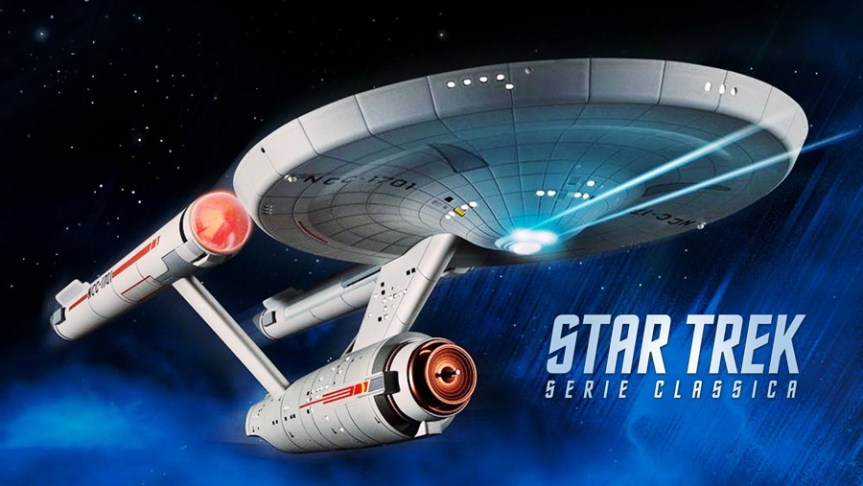
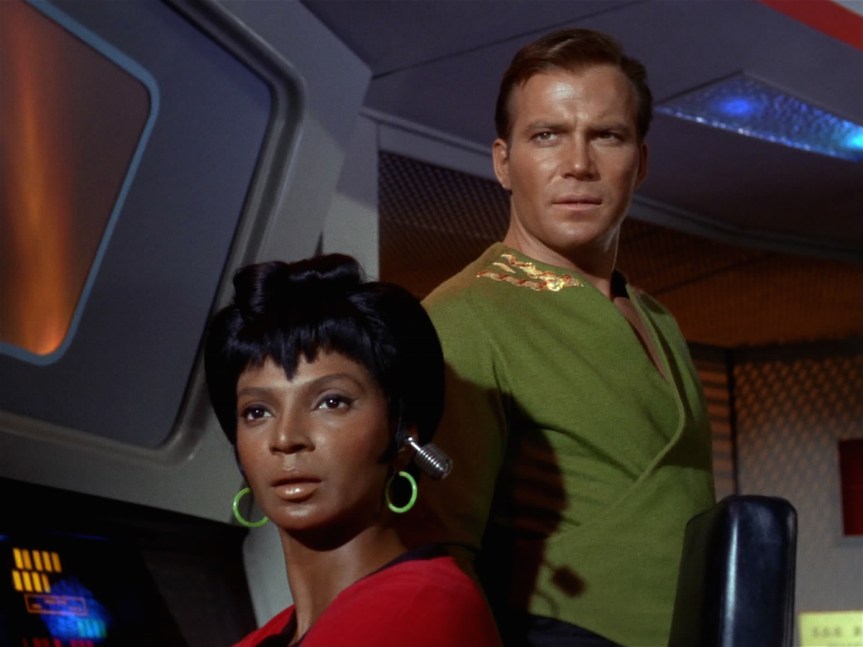
Star Trek, the Original Series, debuted on television on this date, 57 years ago on September 8, 1966.

The first episode was entitled: “The Man Trap.” In this episode, the Enterprise visits a planet to perform routine medical examinations of the husband-and-wife archaeological team. The woman has been replaced by a shape-shifting creature.


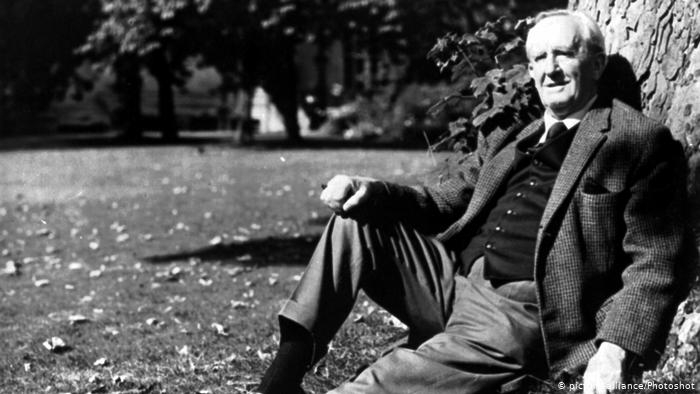
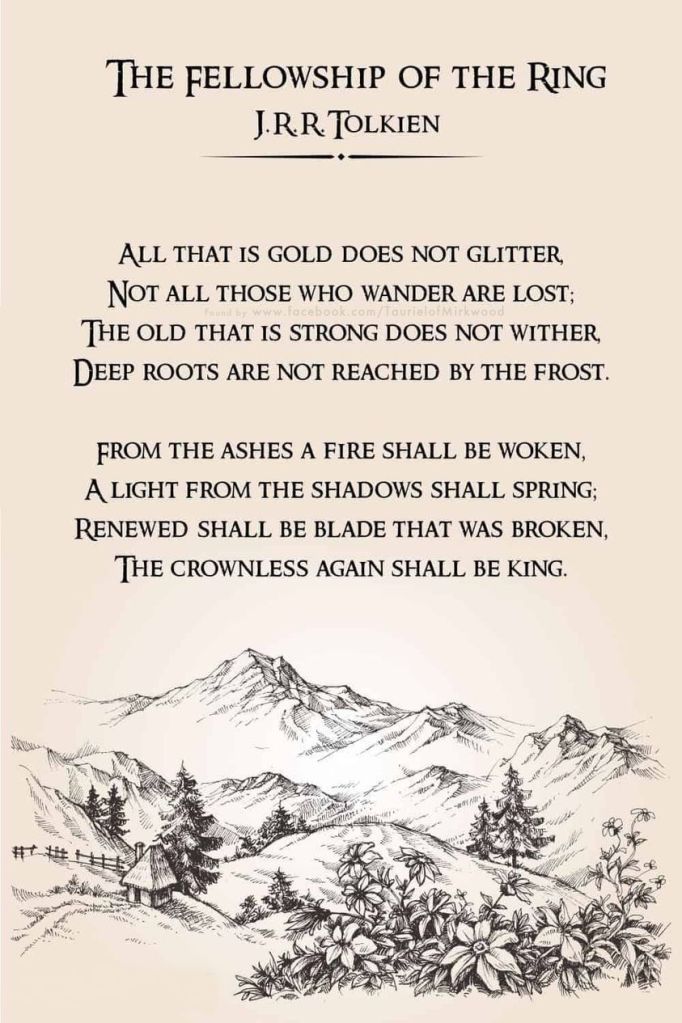
Today is the 50th Anniversary of the Death of the Great Writer and Philologist: J.R.R. Tolkien (9-2-1973)

Today is the 50th anniversary of the passing of the great writer and philologist, John Ronald Reuel Tolkien, known professionally as J. R. R. Tolkien. The following is copied from a remembrance and homage posted elsewhere today by my son, a great fan of Professor Tolkien and his written works:

“The Professor, J.R.R. Tolkien, passed on to his reward on September 2, 1973. That’s 50 years ago today.

In 1937, he gave us The Hobbit, a playful there-and-back-again adventure faerie story. Over the next 20 years he produced an an epic high-fantasy legend, as he cast a spell over tens of thousands of Americans in the ’60s with his 500,000-word trilogy, “The Lord of the Rings,” in essence a fantasy of the war between ultimate good and ultimate evil. For many of us, it is the finest work of English literature, full stop. The next 20 years were spent collating and rewriting the tales and histories he’d been working on since 1914 (during World War I, including his time at the Somme), the stories that would become The Silmarillion, published four years after his death by his son and literary heir, Christopher.

Somewhere in all that time J.R.R. found time to produce A Middle English Vocabulary and a definitive edition of Sir Gawain and the Green Knight; both became academic standard works for several decades. He invented several fully developed languages (and alphabets), translated Sir Gawain, Pearl, and Sir Orfeo. He published a philological essay in 1932 on the name “Nodens“, following the unearthing of a Roman Asclepeion at Lydney Park, Gloucestershire. He translated Beowulf, finally published in 2014. He became the Merton Professor of English Language and Literature at Oxford, was an external examiner for University College, Galway; had four children to whom he was very devoted, was a consultant and translator for The Jerusalem Bible, was made a Commander of the Order of the British Empire and received the insignia of the Order at Buckingham Palace.

It’s been 50 years since he passed on, nine years short of the length of his writing career, but the gifts he left us will live on forever.”


Sixty Years Ago Today: MLK Gave his Famous ‘I Have a Dream’ Speech

by H. B. Auld, Jr.

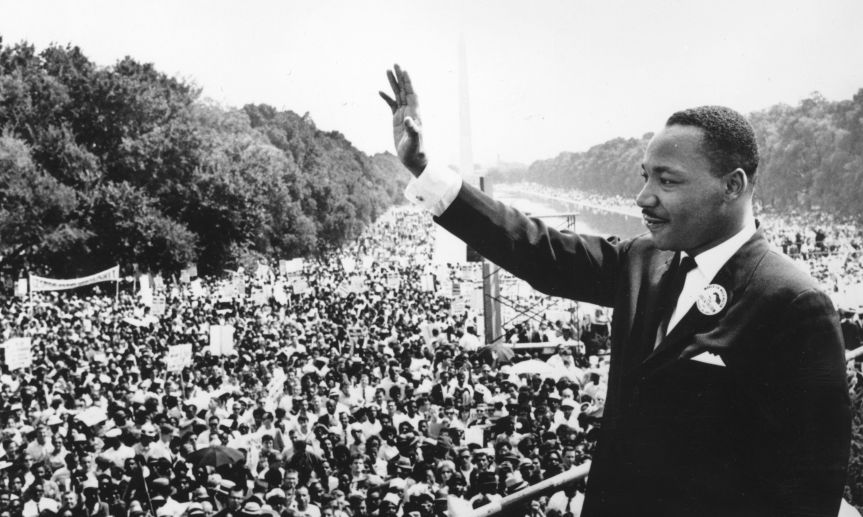
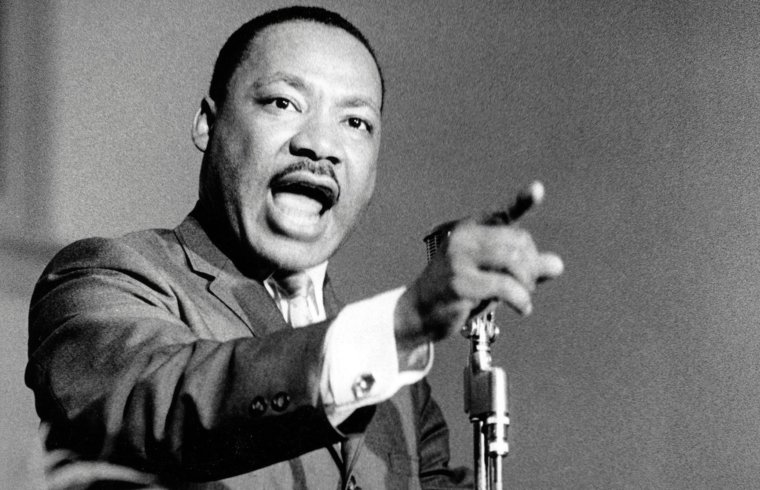
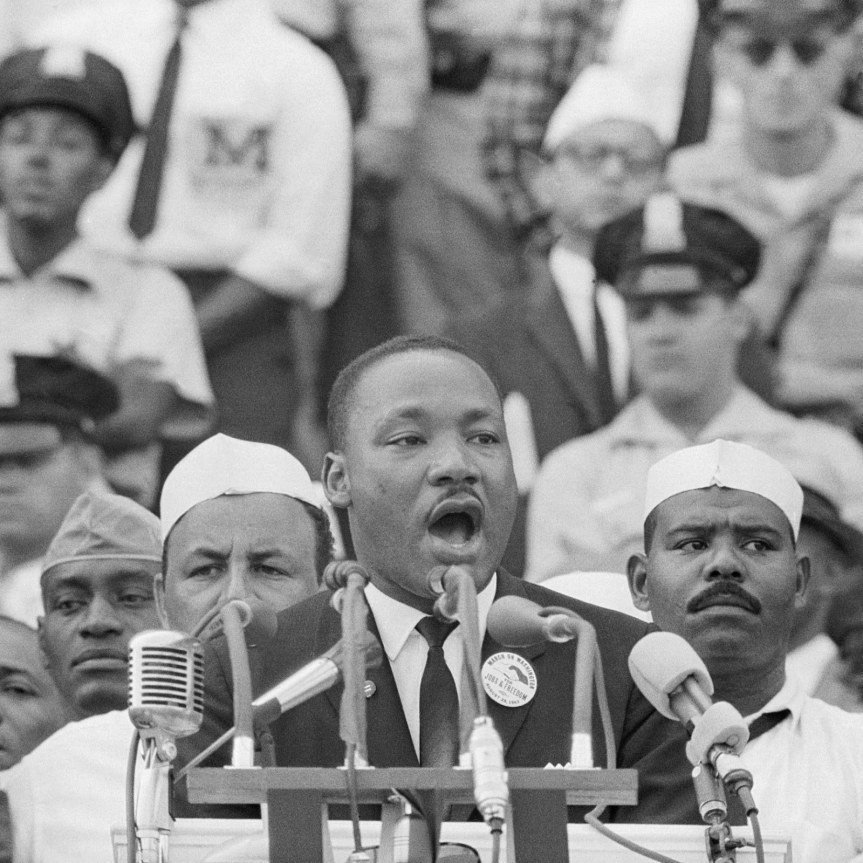
Sixty years ago today, August 28, 1963, the Reverend Martin Luther King, Jr., delivered a speech to a crowd of civil rights marchers at the Lincoln Memorial in Washington, D.C.  That speech became famously known as the “I Have a Dream” speech, due to its repetitive refrain:

“I have a dream that one day on the red hills of Georgia, the sons of former slaves and the sons of former slave owners will be able to sit down together at the table of brotherhood.

“I have a dream that one day even the state of Mississippi, a state sweltering with the heat of injustice, sweltering with the heat of oppression, will be transformed into an oasis of freedom and justice.

“I have a dream that my four little children will one day live in a nation where they will not be judged by the color of their skin but by the content of their character. I have a dream today.

“I have a dream that one day down in Alabama with its vicious racists, with its governor having his lips dripping with the words of interposition and nullification, one day right down in Alabama little Black boys and Black girls will be able to join hands with little white boys and white girls as sisters and brothers. I have a dream today.

‘Free at Last. Free at Last. Thank God Almighty, we are Free at Last.’

Martin Luther King, Jr.’s “I Have a Dream” Speech

“I have a dream that one day every valley shall be exalted, every hill and mountain shall be made low, the rough places will be made plain, and the crooked places will be made straight, and the glory of the Lord shall be revealed, and all flesh shall see it together.”

Just 17 minutes after it began, his great oration ends: 

“And when this happens, and when we allow freedom ring, when we let it ring from every village and every hamlet, from every state and every city, we will be able to speed up that day when all of God’s children, Black men and white men, Jews and Gentiles, Protestants and Catholics, will be able to join hands and sing in the words of the old Negro spiritual: Free at last. Free at last. Thank God Almighty, we are free at last.”

The official name for this march on Washington was: “March on Washington for Jobs and Freedom.” More than a quarter of a million people gathered at the foot of the Lincoln Memorial to hear this paramount push for social and racial equality.


The Day ‘Rock and Roll’ Was Born

by H. B. Auld, Jr.

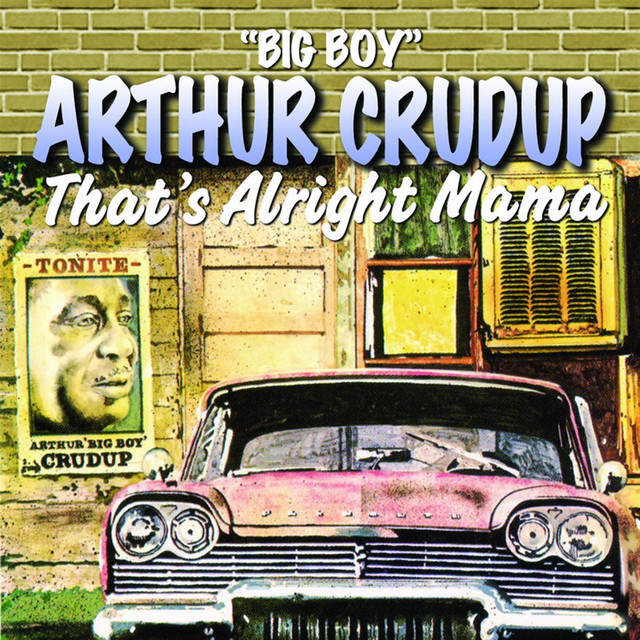
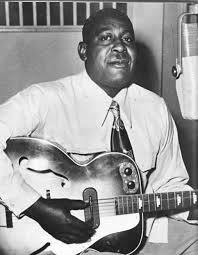
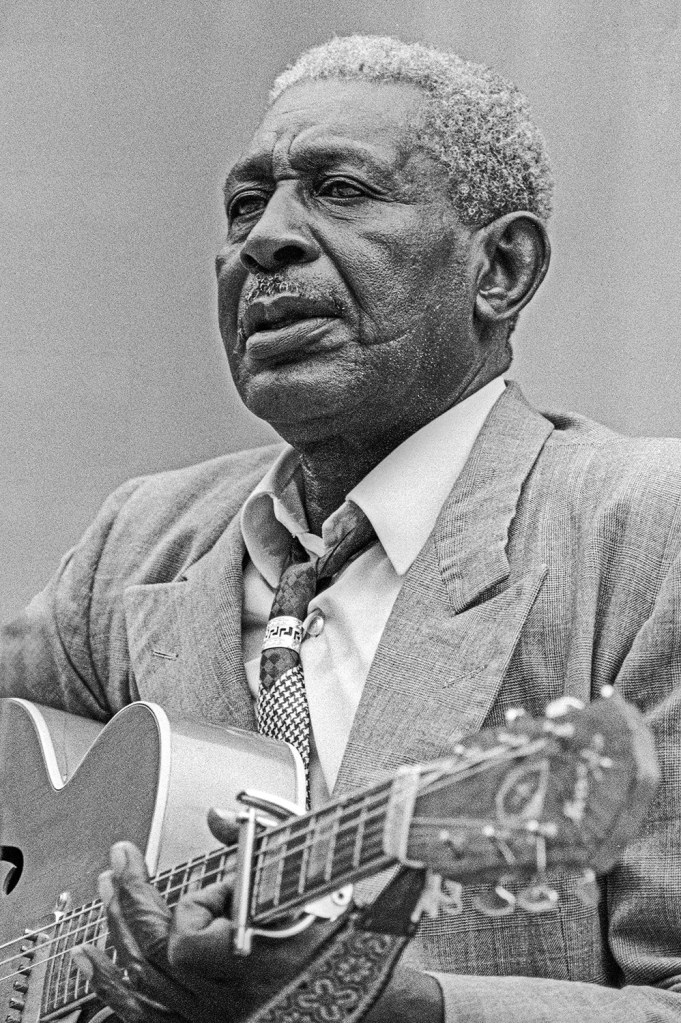
Today is a special day in rock and roll history. Today is the anniversary of the birth of blues musician Arthur “Big Boy” Crudup. Not familiar with the name? He wrote and recorded the song that eventually started the career of the biggest rock and roll star in history.

Arthur “Big Boy” Crudup was born August 24, 1905, in Forest, MS (Some sources say he was born August 25th). He died in Nassawadox, VA, March 28, 1974, at the age of 68 years. Arthur recorded the song “That’s All Right (Mama)” in 1946. Eight years later that song started the career of Elvis Presley when he re-recorded that old blues number on July 5, 1954, in Sam Phillips’ Sun studio in Memphis.

Elvis’ version was released under Arthur’s original title, “That’s All Right,” and lists the record’s performers as Elvis, Scotty (Moore,) and Bill (Black). The Presley version was twice as fast as Arthur’s version and is considered by some as one of the first rock and roll records. It was released on July 19, 1954, with “Blue Moon of Kentucky” on the flip or “B” Side.

Arthur’s “That’s All Right” went on to be recorded by many other artists, but he claimed he never made a dime in royalties from the song.

Arthur “Big Boy” Crudup’s original 1946 slower version.
Elvis Presley’s faster version, recorded July 5, 1954, in Sun Studios in Memphis.

William Wallace Captured in 1305

Reprinted from The Society of John De Graeme

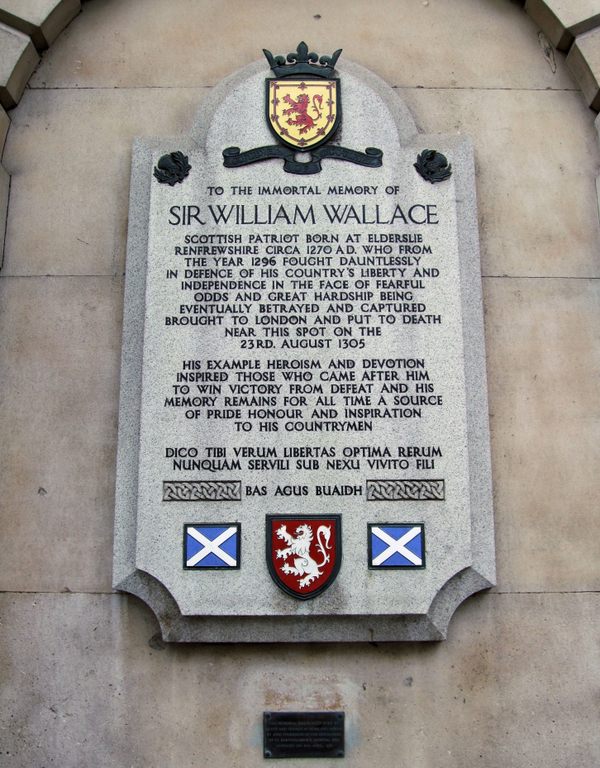
SIR WILLIAM WALLACE CAPTURED ON AUGUST 3rd IN 1305

Sir William Wallace former Guardian of Scotland and high protector of the realm is betrayed and captured at Robroyston near Glasgow.

Sir John De Menteith Sheriff of Dumbarton a Scottish Knight sworn to King Edwards of England it is believed was informed of Wallace’s exact location from Wallace’s servant Jack Short and crept up on Wallace under cover of night.

Wallace was seized in his bed and dragged to Dunbarton Castle where he was handed over to the English and marched to London.

Wallace’s sword remained at Dumbarton Castle.

Sir John De Menteith was branded a traitor and styled as Fause Menteith (“Menteith the treacherous, false”).

Menteith would however play a bigger part in Scotland’s fight for its sovereignty, but he would never shake off his brand as a traitor.

Robroyston is located just outside Glasgow and the site of Wallace’s capture is now marked by a Gigantic Celtic Cross.

Not far from this cross is an old well.

It is said that Sir William Wallace took his last drink as a free man (And a free man he was) from the well.

Wallace’s fate was sealed, his doom awaited, and he would spend the better part of the month being dragged to London to face Edward’s cruel and sadistic plan he had in store for Wallace.


The Youngest Union Soldier: Nine-Year Old John Lincoln ‘Johnny’ Clem

Originally posted on X by Fascinating

In May of 1861, nine-year old John Lincoln “Johnny” Clem ran away from his home in Newark, Ohio, to join the Union Army, but found the Army was not interested in signing on a nine-year old boy when the commander of the 3rd Ohio Regiment told him he “wasn’t enlisting infants,” and turned him down.

 Clem tried the 22nd Michigan Regiment next, and its commander told him the same. Determined, Clem tagged after the regiment, acted out the role of a drummer boy, and was allowed to remain. Though still not regularly enrolled, he performed camp duties and received a soldier’s pay of $13 a month, a sum collected and donated by the regiment’s officers.

 The next April, at Shiloh, Clem’s drum was smashed by an artillery round and he became a minor news item as “Johnny Shiloh, The Smallest Drummer”.


…at the Battle of Chickamauga….


A year later, at the Battle Of Chickamauga, he rode an artillery caisson to the front and wielded a musket trimmed to his size. In one of the Union retreats a Confederate officer ran after the cannon Clem rode with, and yelled, “Surrender you damned little Yankee!” Johnny shot him dead. This pluck won for Clem national attention and the name “Drummer Boy of Chickamauga.”

 Clem stayed with the Army through the war, served as a courier, and was wounded twice. Between Shiloh and Chickamauga he was regularly enrolled in the service, began receiving his own pay, and was soon-after promoted to the rank of Sergeant.

 He was only 12 years old. After the Civil War he tried to enter West Point but was turned down because of his slim education.

 A personal appeal to President Ulysses S. Grant, his commanding general at Shiloh, won him a 2nd Lieutenant’s appointment in the Regular Army on 18 December 1871, and in 1903 he attained the rank of Colonel and served as Assistant Quartermaster General.

He retired from the Army as a Major General in 1916, having served an astounding 55 years. General Clem died in San Antonio, Texas on 13 May 1937, exactly three months shy of his 86th birthday, and is buried at Arlington National Cemetery.


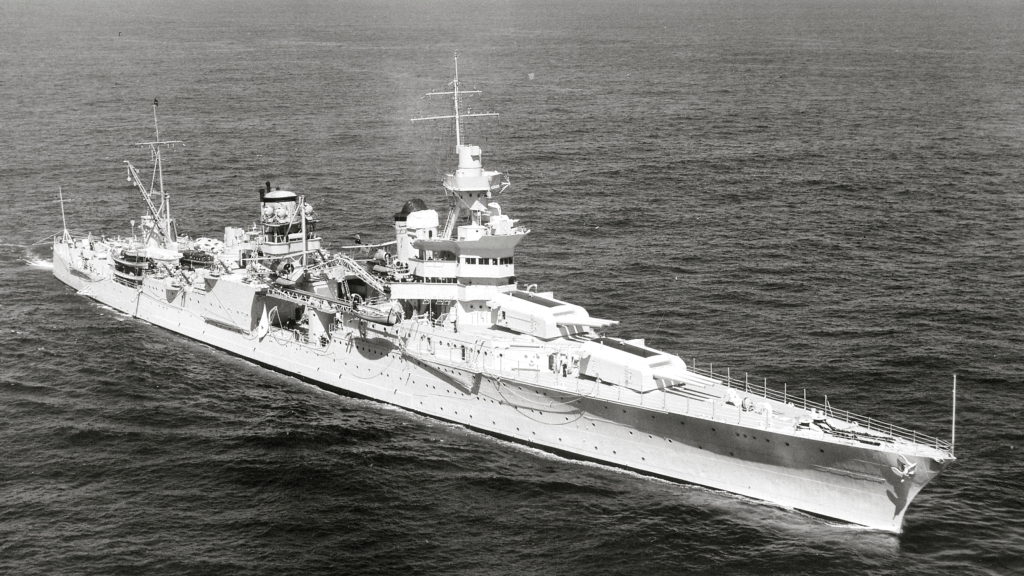
USS INDIANAPOLIS Sunk 78 Years Ago; Only One Survivor Remains

by H B Auld, Jr.

Two USS Navy ship disaster anniversaries in two days:

Yesterday it was the USS FORRESTAL (CV 59) and today it is the heavy cruiser USS INDIANAPOLIS (CA 35). I knew this one was coming; it’s been on my calendar all year.

On this day 78 years ago, July 30, 1945, USS INDIANAPOLIS is sunk by Japanese torpedoes. The few survivors would float in the ocean for days before they were found.

Of the nearly 1,200 men on board the ship, about 900 men survived the initial explosion and went overboard into the water. The ship sank 12 minutes later, taking 300 to their watery graves. Almost 600 Sailors died in the water of dehydration, saltwater poisoning, and the worst of all: shark attacks while stranded in the open ocean with few lifeboats and almost no food or water. Those surviving in the water would not be rescued for days. The Navy only learned of the sinking four days later, when survivors were spotted by the crew of a PV-1 Ventura on routine patrol. Of the 1200 original crew, only 316 Sailors survived the tragedy.

There was just one silver lining, if there was one, to the tragedy. INDIANAPOLIS had already performed the most critical part of its mission: It had successfully carried parts for the “Little Boy” atomic bomb across the Pacific before it was sunk. American bombers would soon carry “Little Boy” toward Hiroshima. Along with the bomb “Fat Man” dropped on Nagasaki, “Little Boy” would ultimately force an end to World War II.
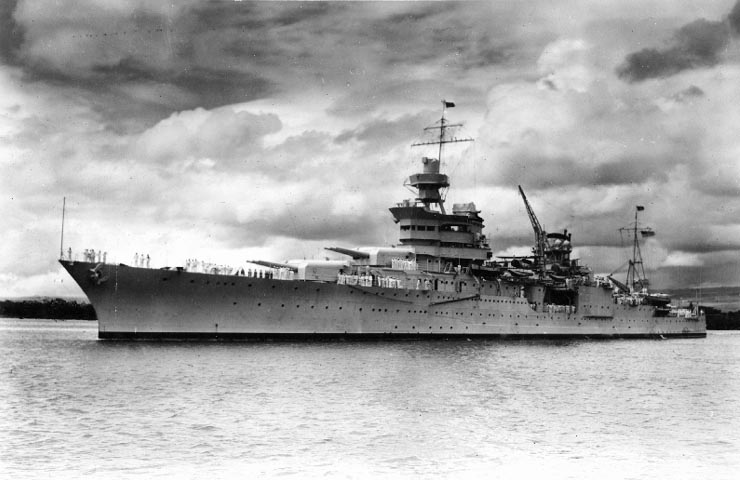
My former landlord was one of those 316 survivors….

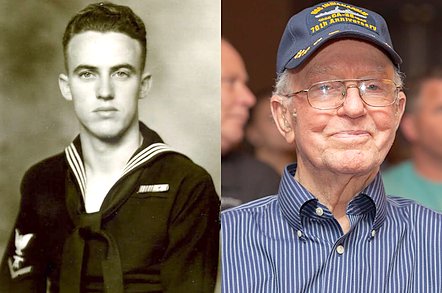
Several years ago, my landlord was one of those 316 INDIANAPOLIS survivors. During World War II, Lieutenant (Junior Grade) Charles McKissick served in INDIANAPOLIS and survived the sinking. He and I used to sit and talk in McKinney, TX, about our times in the Navy and he would talk about the hellish days and nights he spent in the water after the sinking before being rescued. Every year, Charles would travel to Indianapolis, IN, each July 30 for the ship’s reunion. When he returned, he would tell me that many more of his shipmates were missing that year. The numbers continued to dwindle down at each annual reunion after that. This was in the early 1990s. LTJG Charles McKissick is also gone now. Rest In Peace, Sir. You and your Shipmates earned your reward. “Rest your oars, Lieutenant. We have the Watch, now.” God bless these brave men and God bless America.

With the passing of Cleatus Lebow in October, 2022, at the age of 98, Benician Harold Bray, Jr., is now the lone living survivor from the legendary USS INDIANAPOLIS. Lebow, raised in Abernathy, Texas, joined the Navy in 1943. He is now 96 years old and the last Sailor left out of the 1,200 crew.


The Late George Harrison Was Born 80 Years Ago Today: February 25, 1943

by H.B. Auld, Jr.

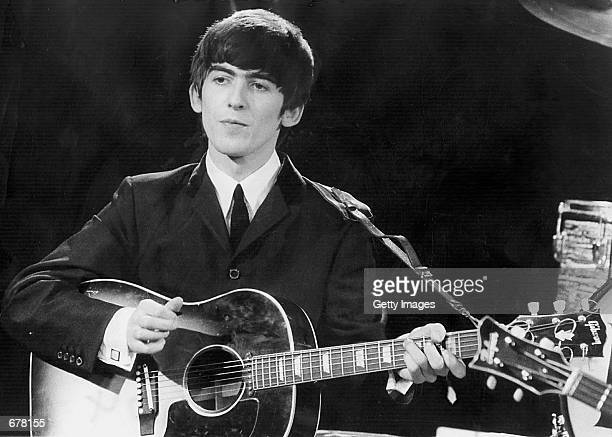
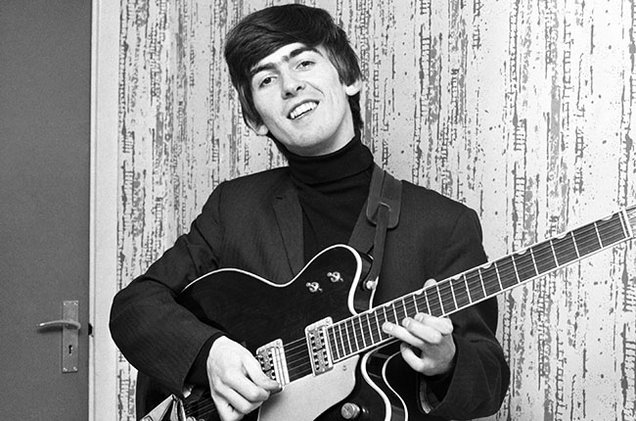
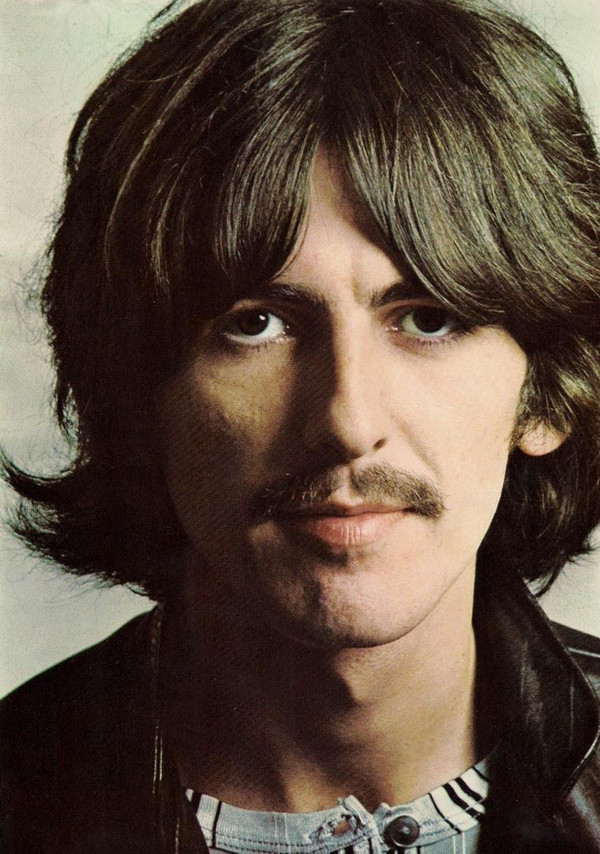
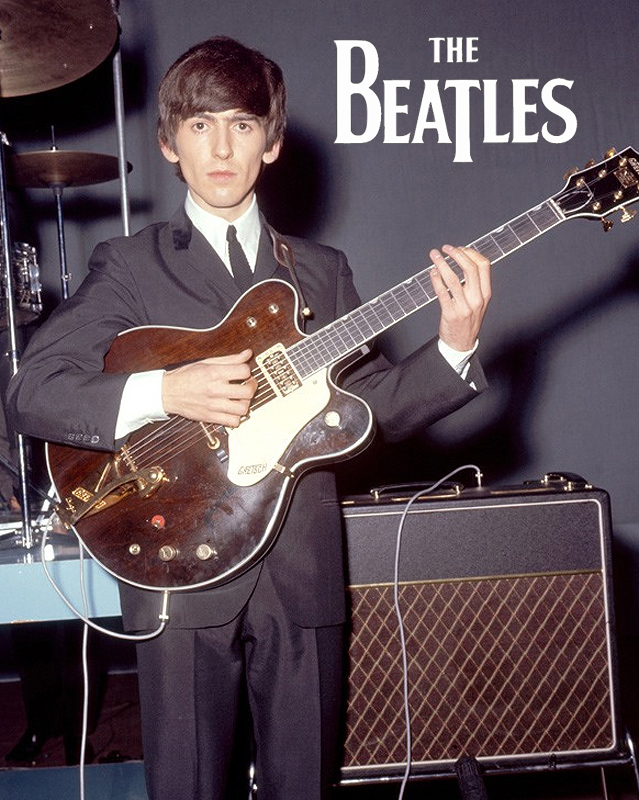
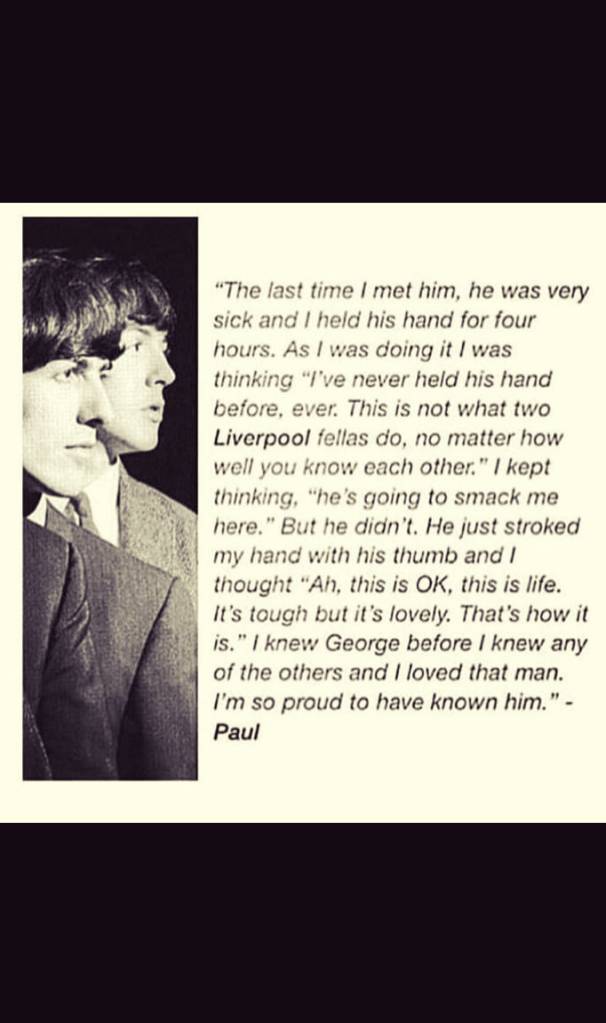
Happy birthday in heaven today to the late George Harrison. George, the lead guitarist of The Beatles and The Traveling Wilburys, as well as so many solo recordings, was born February 25, 1943, 80 years ago today. Rest In Peace, Georgie, and thank you for the many wonderful musical memories.