I am a Christian grandfather, married to a wonderful woman since February 2, 2002 (that’s 02/02/02), and yes, we were married at 2:02 p.m. I have two wonderful sons and daughters-in-law, a step-daughter and her husband, and a step-son and his wife. These four families have blessed me with 16 grandchildren. I retired as a Senior Chief Journalist August 31, 1987, after 22 years of active service in the US Navy. During my naval career, I was stationed in Adak, Alaska; Okinawa, Japan; Pensacola, FL; Syracuse, NY; Indianapolis, IN; Naples, Italy; and Washington, DC. Lest someone think I was “shorebound,” I also served temporary duty on various ships, including: HMS Hermes, a Royal Navy Aircraft Carrier; and the USS Ticonderoga, a US Navy Aegis Cruiser; among others.
We have spent this weekend, remembering the thousands of Americans killed 20 years ago on September 11, 2001. That is as it should be. We should ALWAYS remember this date, every year on its anniversary, and honor those men and women who will grow no older.
But there is also a SECOND anniversary of that same date. It befell exactly 11 years later on September 11, 2012, when our American Consulate in Benghazi, Libya, was mercilessly attacked and four young men were horrendously killed.
As we remember 9/11 and all the people we lost that day: September 11, 2001, let us also remember those four men we lost exactly 11 years later on that same date: September 11, 2012.
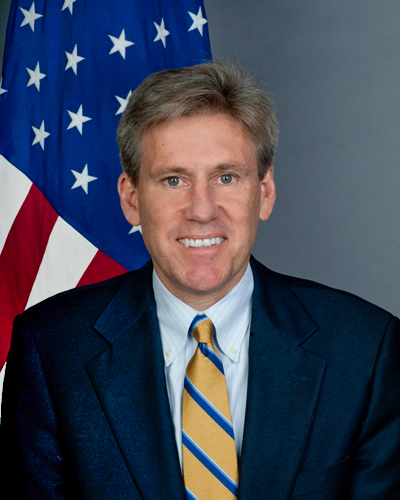
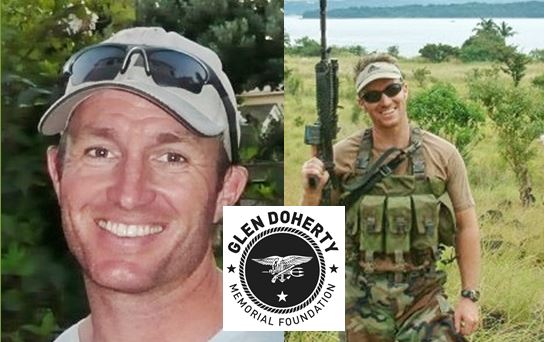
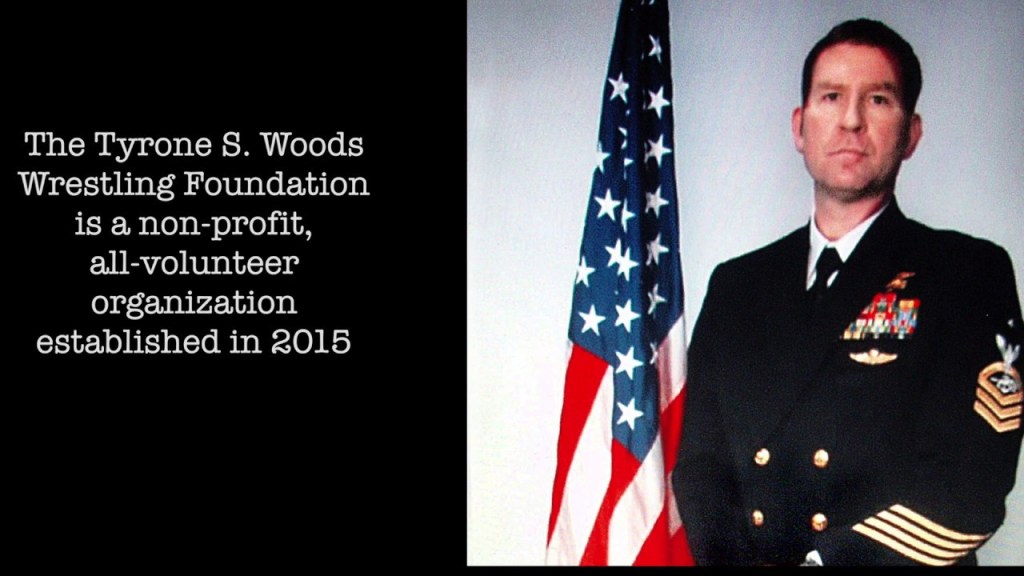
In the attack on Benghazi, Libya, US Ambassador Christopher Stevens, US Information Officer Sean Smith, and CIA Contractors and Retired US Navy SEALS: Tyrone S. Woods and Glen Doherty, were all slaughtered and their dead bodies drug through the streets in humiliation.
And all the while, our feckless Government stood by and refused to give the order for SEALS to rescue these four men as the American Consulate was attacked and burned.
I was taught that when an American Consulate is attacked, that is a Declaration of War against the USA and that attack is responded to, in kind. Not so, on September 11, 2012.
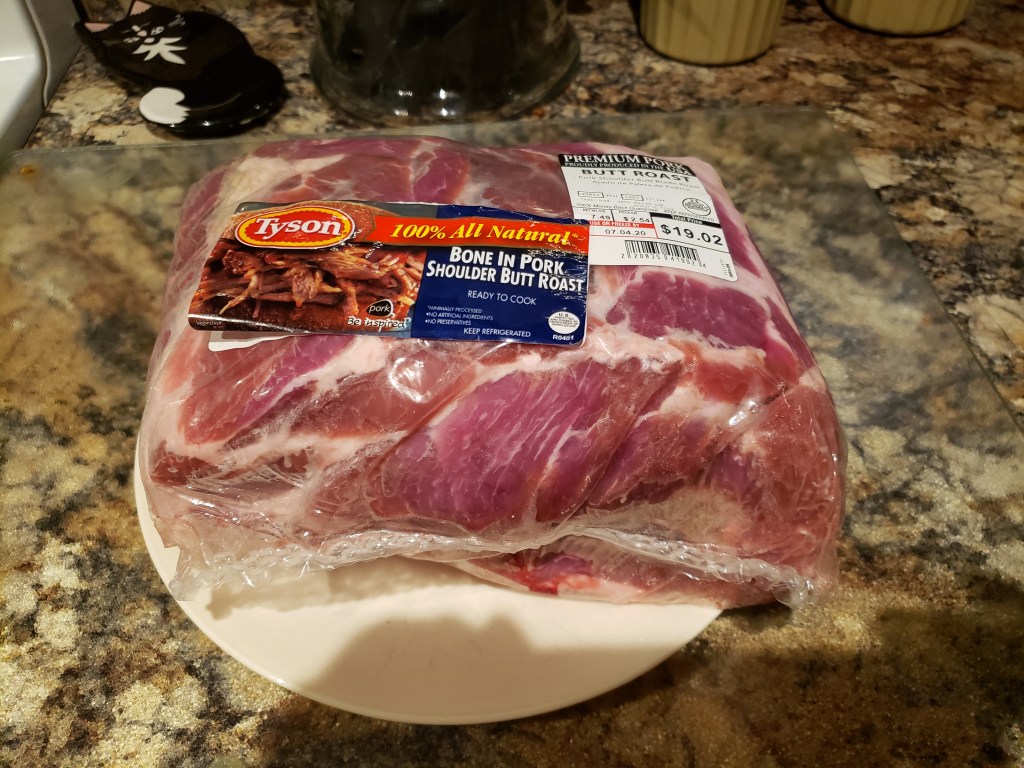
The crypak-wrapped 7.5-pound bone-in-pork shoulder butt warming up to room temperature.
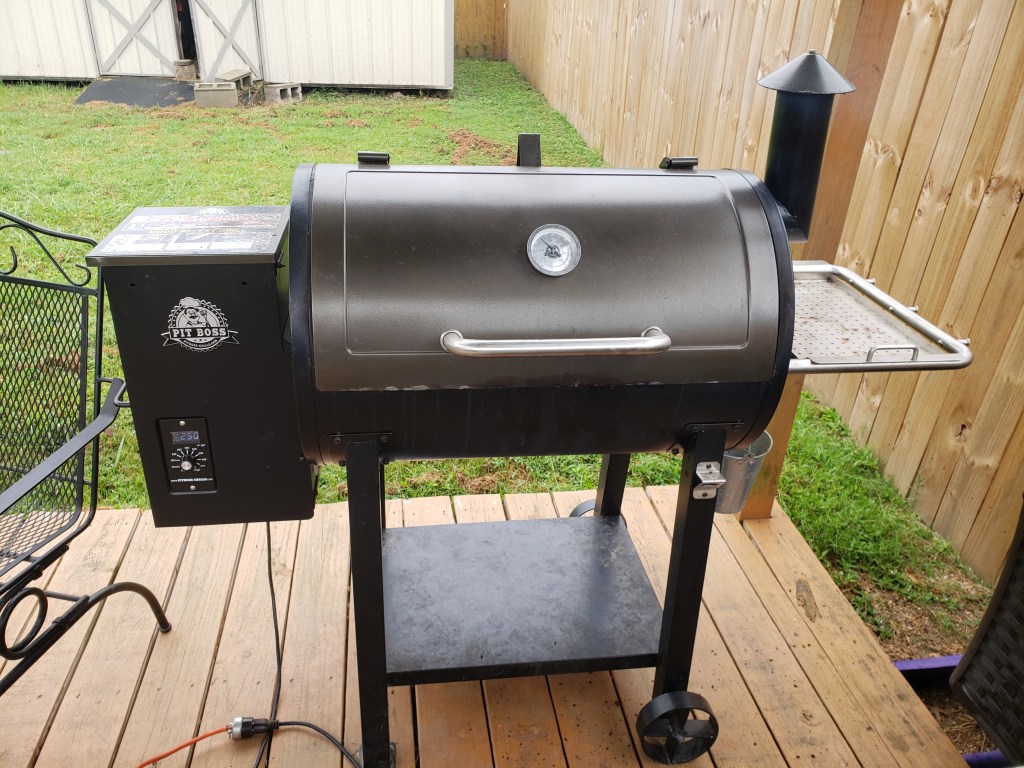
My Pit Boss 820D Pellet Grill out on our back deck.
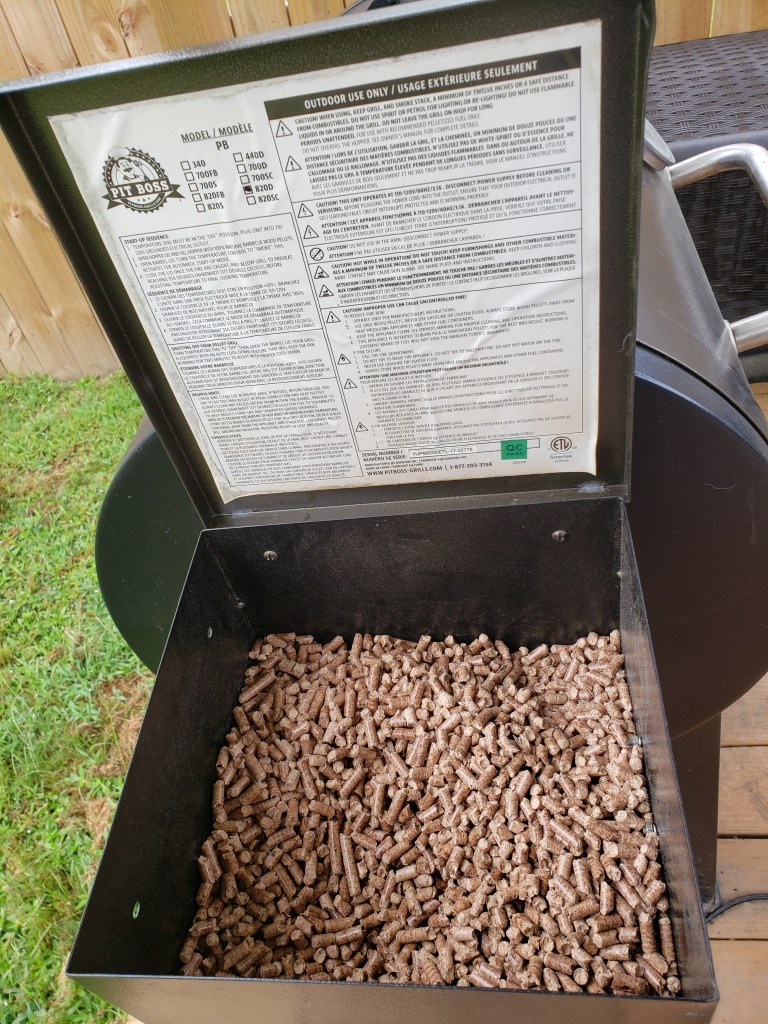
The pellet hopper full of fruit blend wood pellets.
The electronic temperature set at 250 degrees and P4.
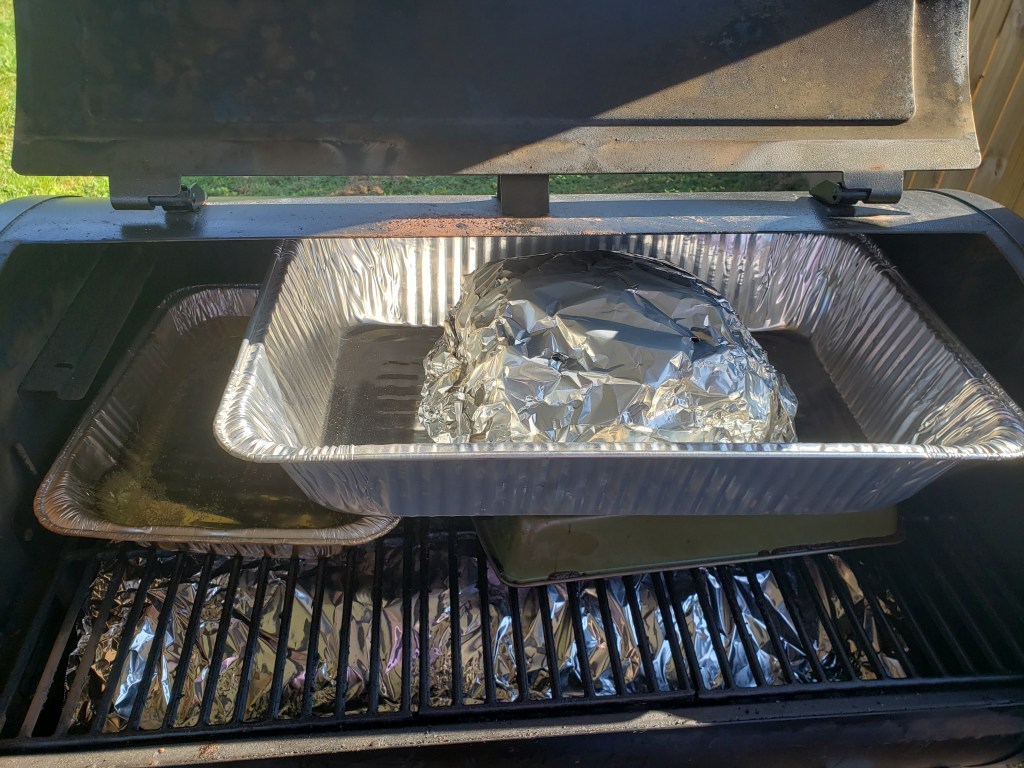
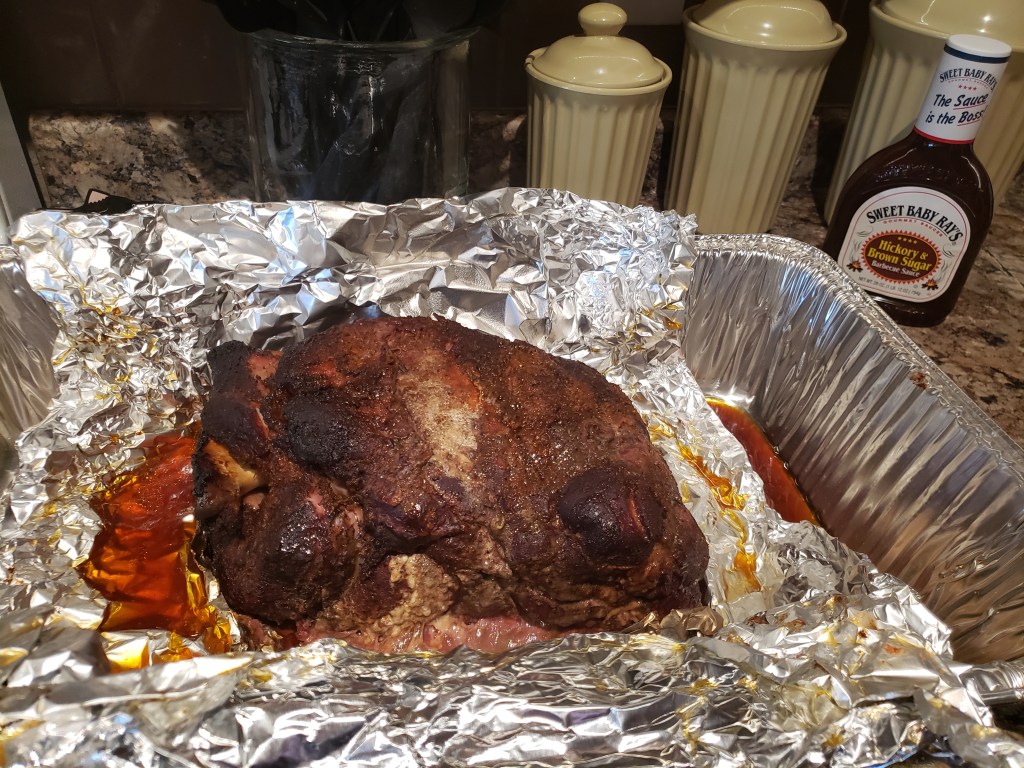
The water pan and the pork shoulder about three hours into the cook.
The wrapped pork shoulder at about seven hours in (4:00 p.m.)
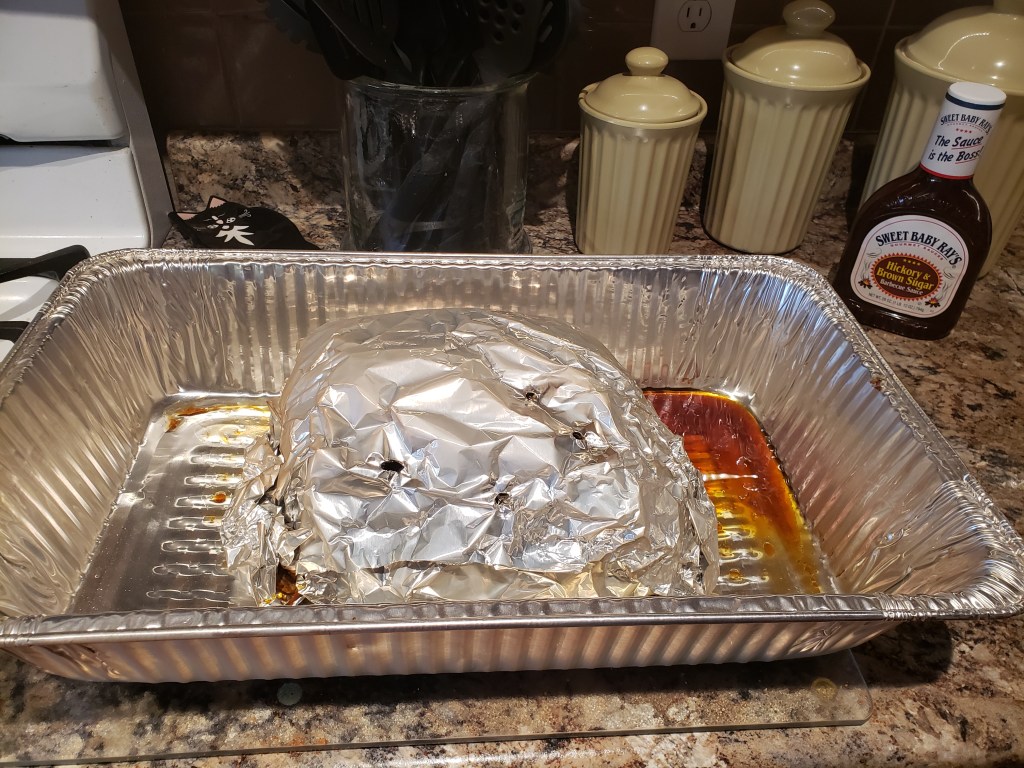
The wrapped pork shoulder in the house, setting to allow the juices to reabsorb into the meat.
The pork shoulder unwrapped, waiting to be pulled apart.
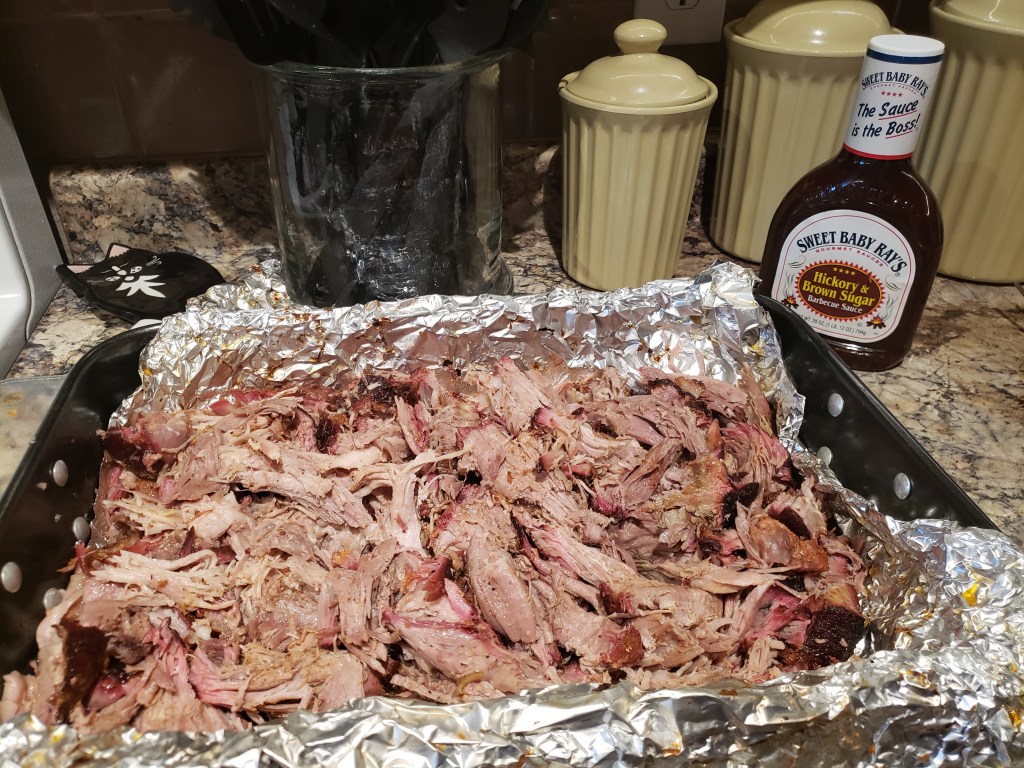
The first pull: removing the shoulder bone. It came out easy and clean, just as a properly smoked pork shoulder bone should.
The final smoked port meat, all pulled apart and ready for devouring. It is DELICIOUS.
by HB Auld, Jr.
I spent my day today smoking a bone-in pork shoulder butt (no, it is not really the butt; that is just what that part of the shoulder is called.) Some would say I should have smoked banana peels or mushrooms, but I prefer the pork shoulder.
I started this morning at 3:00 a.m. (since I was up anyway) by removing the crypak-wrapped pork shoulder from the refrigerator to let it set for six hours to warm up to room temperature.
I loaded my Pit Boss 820D Pellet Grill hopper with Pit Boss All Natural Hardwood Fruit Blend (Cherry, Apple, and Maple) and then started it to warm up at 8:30 a.m. while I prepared the 7.5-pound shoulder meat for smoking. First, I removed it from the crypak, then I trimmed a small amount of fat from the top corner. Next, I slathered a generous rubbing of yellow mustard as a binding agent, completely covering the entire shoulder on all sides. I then rubbed a full covering of powdered dry meat rub from a local meat market here in Paris, Texas, completely covering the entire shoulder.
I spritzed a half and half mixture of apple juice and apple cider vinegar all over the meat.
At 9:00 a.m. I placed the pork shoulder, fully covered in the dry rub, with the fat side toward my heat source (on my Pit Boss grill, that is down, since the fire pot is in the middle of the bottom of the grill.). I spritzed a half and half mixture of apple juice and apple cider vinegar all over the meat. I rested it on an upside down small baking pan to raise the meat up even with the smoke exit to the chimney. That way, the meat was right in the path of the smoke as it made its exit up the chimney. I placed a small tin foil pan of water on the grill beside the meat to increase the smoke. I set the heat temperature knob on 250 degrees and the grill had warmed up to 250 by the time I placed the meat on the grill. Normally I would increase the “P” setting on the grill to 5 for the best smoke, but I neglected to do this until the meat was well into the cook, so I left it set at 4. I continued to spritz the meat with the apple juice and apple cider vinegar mixture generously every hour, once an hour, throughout the smoke.
I continued to check the meat temperature with a meat thermometer every hour when I opened the grill briefly to spritz the meat.
The meat took a little longer than normal to reach the target temperature. I believe this was due to not allowing it to rest outside the refrigerator and fully reach room temperature early this morning. This slight residual chilling of the meat probably slowed the cooking. Next time, I will remove the meat from the refrigerator earlier so it can fully reach room temperature. At about 6 hours and 45 minutes (3:45 p.m.) into the cook, it reached my target temperature of 175 degrees. I removed the meat from the grill and placed it in a tin foil pan with the meat wrapped up completely in tin foil. I raised the temperature on the grill to 300 degrees and replaced the wrapped pork shoulder on the upside-down baking pan. I topped off the small water pan beside the baking pan to increase the smoke.
A little more than two hours later at around 6:05 p.m. (nine hours into the cook), the meat reached my target temperature of 197 to 205 degrees while wrapped. I removed it from the grill and relocated it inside in the kitchen. I checked the bark and smoke ring, then re-wrapped it to set for about 30 minutes to allow the meat to reabsorb juices.
I then broke the meat apart and separated it into the “pulled pork” I originally set out to prepare today. A little Sweet Baby Ray’s Hickory and Brown Sugar BBQ sauce on the pulled pork sandwiches made a delicious evening meal.
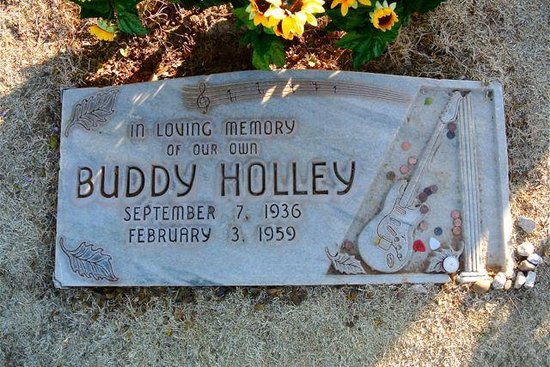
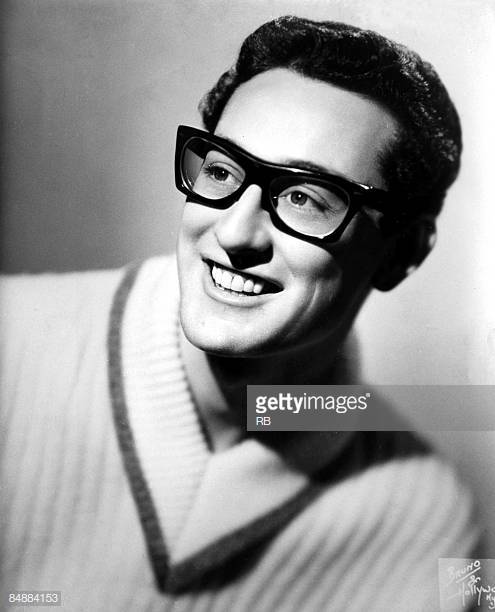
Today would have been Buddy Holly’s 85th birthday. He was born September 7, 1936, and was killed in a plane crash on Tuesday, February 3, 1959.
Buddy Holly was born Charles Hardin Holley in Lubbock, Texas. He was born into a musical family where his mom, two older brothers, and older sister all either played instruments or sang. It was his older brother, Travis Holley, who taught Buddy to play the guitar.
Last Name Misspelled
Buddy’s last name, Holley, was misspelled as “Holly” by a Decca Records employee on a recording contract and he continued to record and tour under that misspelling: Buddy Holly. Buddy performed for the first time on TV in 1952 at 15. He performed locally and in school talent shows until 1955 when he and a friend opened for a young rock and roller, Elvis Presley, who was touring one-nighters by driving across Texas and Louisiana. Elvis so impressed young Buddy that he decided right then that he wanted to be a rock and roll musician. He opened twice more for Elvis and later for Bill Haley and the Comets in rock and roll shows produced by a local disc jockey.
Buddy died after a concert
on the Winter Dance Party tour.
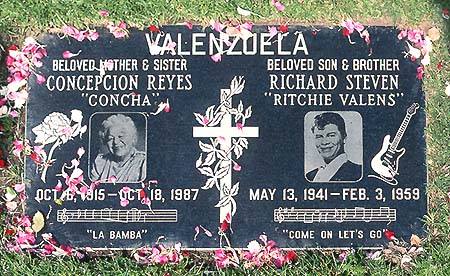
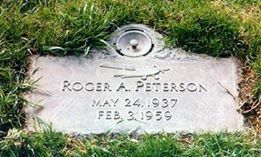
Buddy died after a concert on the Winter Dance Party tour. He, J.P. (The Big Bopper) Richardson, and 17-year old Ritchie Valens (La Bamba) took a private plane Buddy had rented after the performance in Clear Lake, IA. They were on their way to the next night’s performance at Moorhead, MN. All three musicians and the pilot, Roger Petersen, were killed when the plane crashed (probably from iced wings) in a cornfield just five miles after take-off. When Buddy and the others died, a 15-year old Bobby Vee quickly formed a musical group, “The Shadows,” and performed at the concert that next night in Moorhead, MN. Bobby Vee went on to very successful rock and roll solo career of his own after that night.
Just 22 Years Old
Buddy Holly, one of the most prolific rock and roll stars, was just 22 years old when he died that snowy night in Iowa.
Happy 85th birthday, Buddy Holly.
Here is one of Buddy’s biggest hits: “Raining In My Heart:”
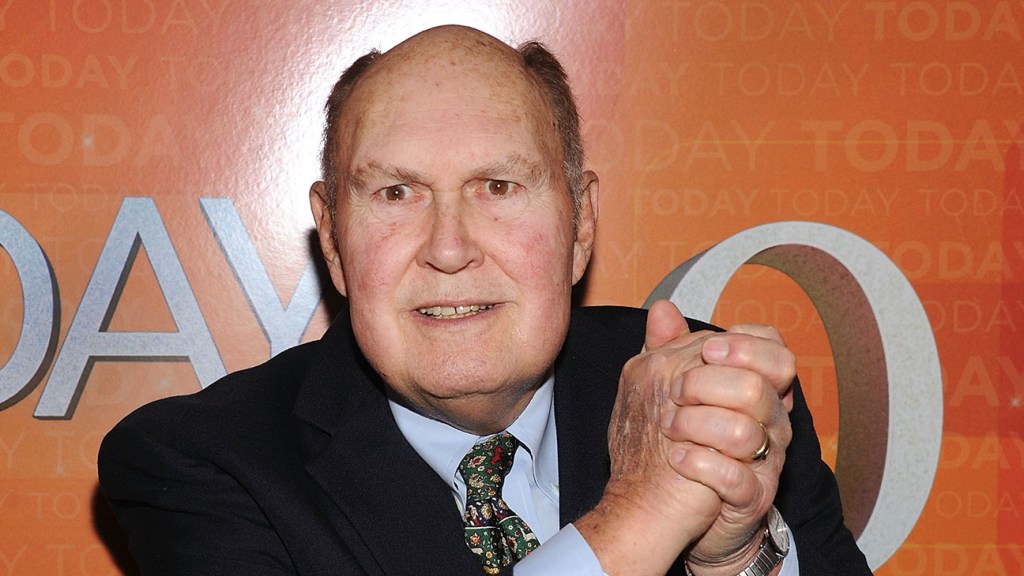
NEW YORK, NY – JANUARY 12: Willard Scott attends the “TODAY” Show 60th anniversary celebration at The Edison Ballroom on January 12, 2012 in New York City. (Photo by Dimitrios Kambouris/WireImage)
TODAY — Pictured: NBC News’ Willard Scott in 1982 (Photo by NBC NewsWire/NBC/NBCU Photo Bank via Getty Images)
by HB Auld, Jr.
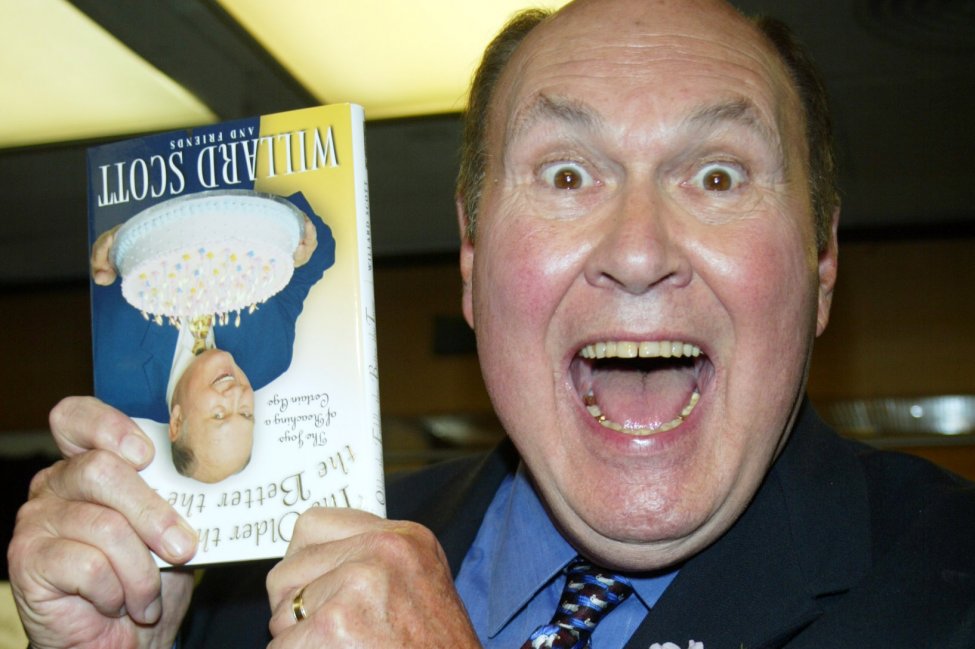
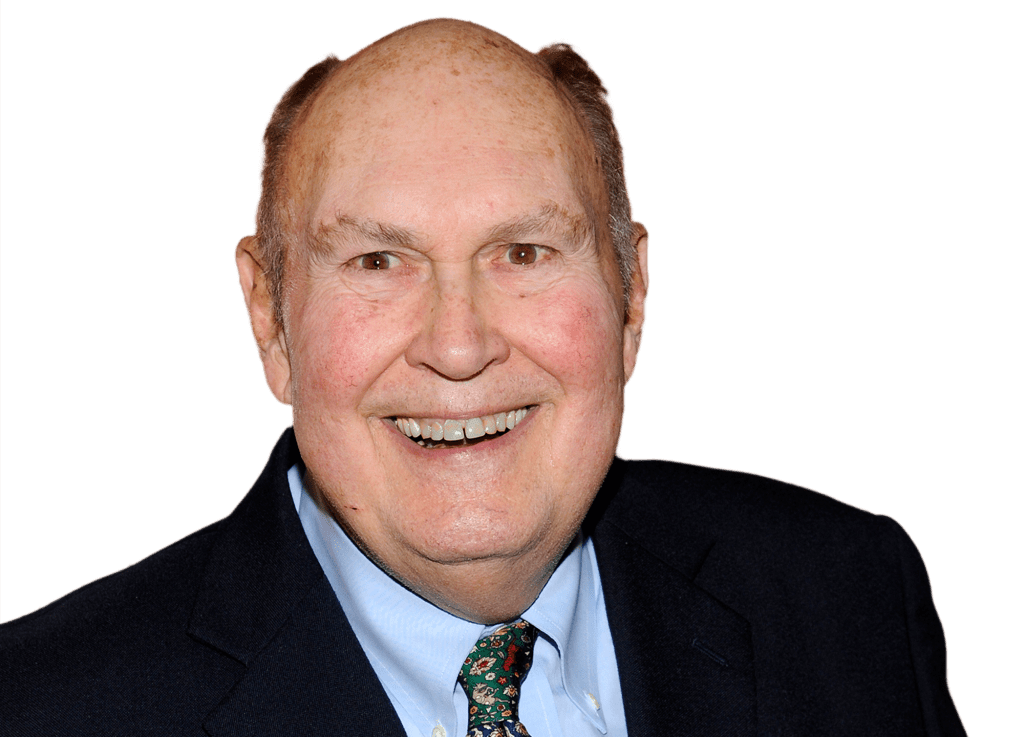
“America’s Weatherman,” Willard Scott, died Saturday, September 4, 2021, of natural causes. He was 87 years old. Throughout his career, he was known as more than a TV weather presenter; he was an extraordinary entertainer.
Willard was born March 7, 1934, in Alexandria, VA. He was graduated from George Washington High School. He worked as an NBC page in 1950 and attended American University where he met his lifelong friend and fellow student, Ed Walker. They worked together at WAMU-AM radio. Willard graduated from American University and earned a Bachelor of Arts in philosophy and religion.
Willard Scott began his entertainment career in Washington, DC, in 1955 as a member of the “Joy Boys Radio Show on radio station WRC. He and his partner, Ed Walker who was blind and took notes for the show in Braille, broadcast their show of comedy bits there until 1972 when they moved across town to WWDC radio. The Joy Boys radio program was briefly interrupted for two years from 1956 to 1958 when Willard served in the US Navy. Ed Walker, the lifelong friend of Willard Scott’s, died in October, 2015. Willard claimed he and Ed were, “closer than most brothers.”
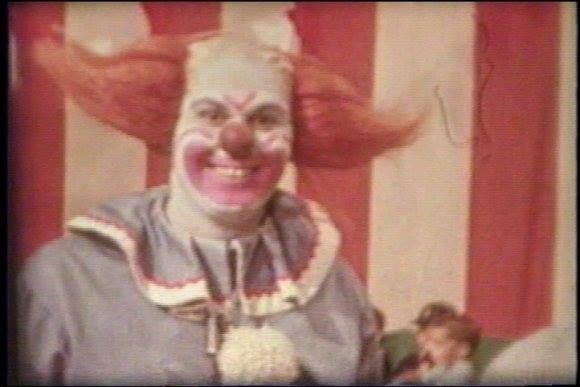
“Willard appeared as Bozo the Clown…[and] briefly starred as the first Ronald McDonald
In the 1960s, Willard appeared as Bozo the Clown on sister station WRC-TV. In 1970, he began broadcasting the weather there. His special brand of humor while presenting the weather was to serve him as a lifelong career there and later on NBC’s “The Today Show.” In 1971, Willard briefly starred on TV commercials as the first Ronald McDonald. He left there due to other commitments at the time.
Willard began broadcasting the weather on “The Today Show” in 1980. In 1983, he began his long-time habit of wishing centenarians a happy 100th birthday. Later, that segment was sponsored by Smuckers jellies and he became their spokesman.
I had the great pleasure to meet Willard Scott in 1985 while I was stationed in Italy. “The Today Show” crew traveled to Rome, Italy, to broadcast their morning show live. I was the Station Manager at the time at Southern European Broadcasting (SEB) Service in Naples, Italy. “The Today Show” producers contacted us to ask for our help in getting a tape of the show as soon as possible after broadcast. The show, hosted by Bryant Gumbel and Jane Pauley, originated live from the Spanish Steps in Rome, while Willard did his weather segment from a crowded little Italian Pizzaria down the street. I negotiated an interview with Jane Pauley with our Director of TV, Navy Journalist Sue Christy, after they were off the air and a spot on one of Willard’s live weather segments with one of the teenagers from Naples whose mom had made Willard a hand-made pizza bib. The teen presented the bib to him live on the air. The Armed Forces Radio and Television Service in Washington agreed to allow us to provide a full tape of the show to the Executive Producers who needed it. We recorded the show live in the Naples AFRTS station and then immediately drove it up to Rome for the EPs. Willard Scott was an amazing, personable, friendly segment host. He made the young teenaged girl who gave him the bib feel that she brought him the most important gift he had ever received in his life. He was just that giving and personable to those who came in contact with him.
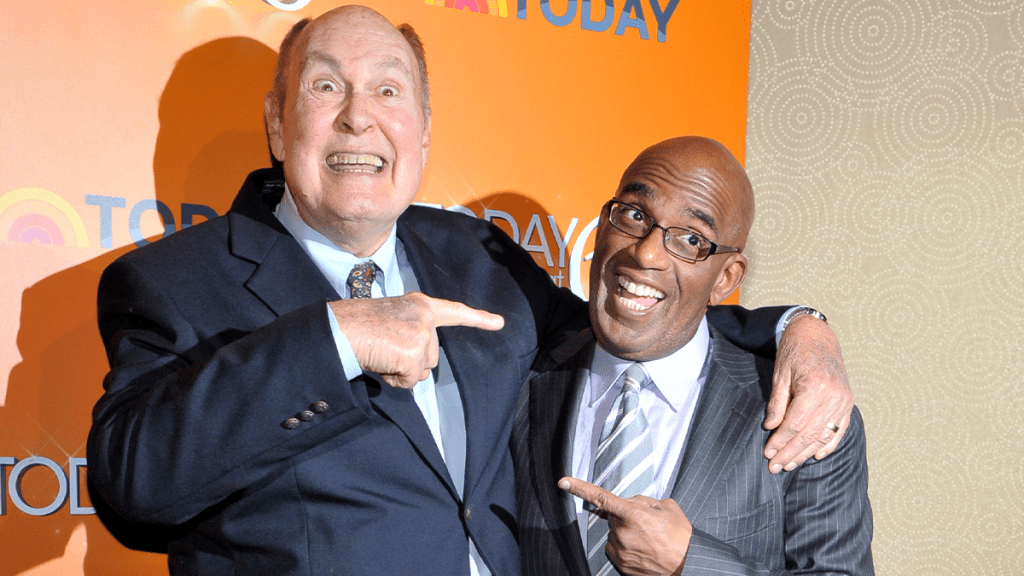
Willard was succeeded as “The Today Show” weatherman by Al Roker in 1996. He cut his appearances back to two days a week, which he broadcast from a television station in Florida where he continued his birthday wishes.
Willard fully retired from broadcasting on December 15, 2015. He was honored by NBC and several of his previous co-workers there, along with Barbara Bush. The plaza in front of the studio was renamed Willard Scott Way.
Willard was married to Mary Dwyer Scott from 1959 until her death in 2002. The couple had two daughters, Mary and Sally. On April 1, 2014, at age 80, Scott married Paris Keena. They first met in 1977 while she was working at WRC-TV. They became a couple in 2003. Willard and Paris lived on Sanibel Island, FL, until his death on Saturday.
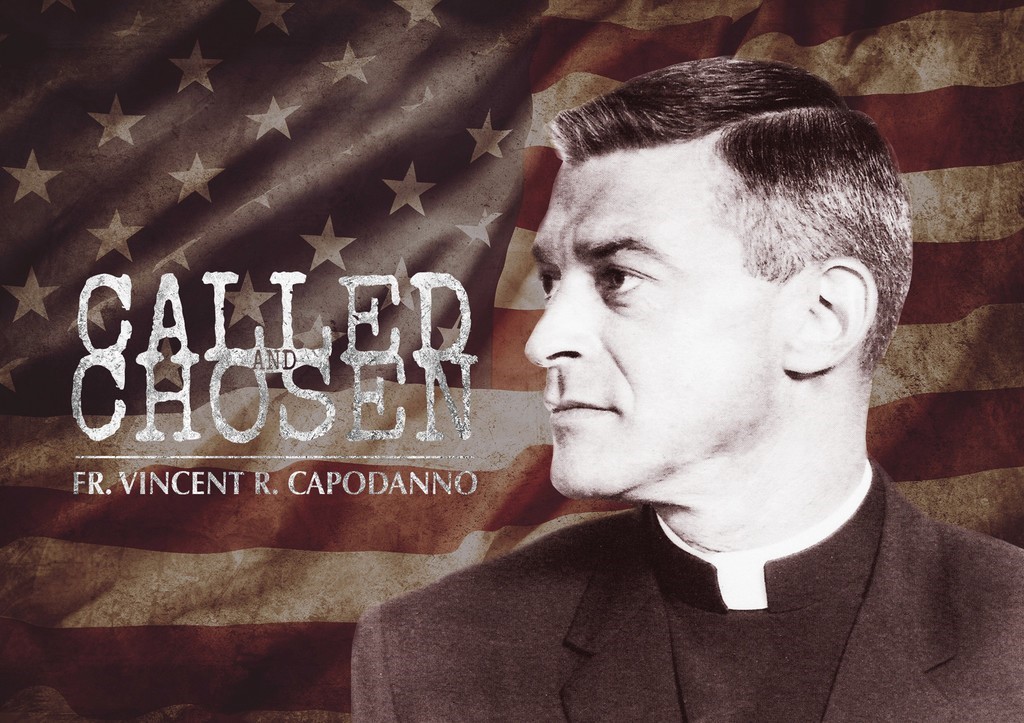
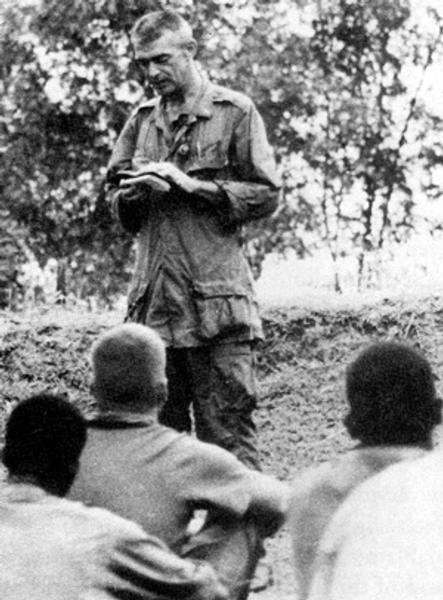
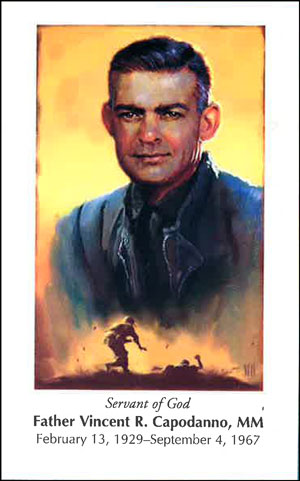
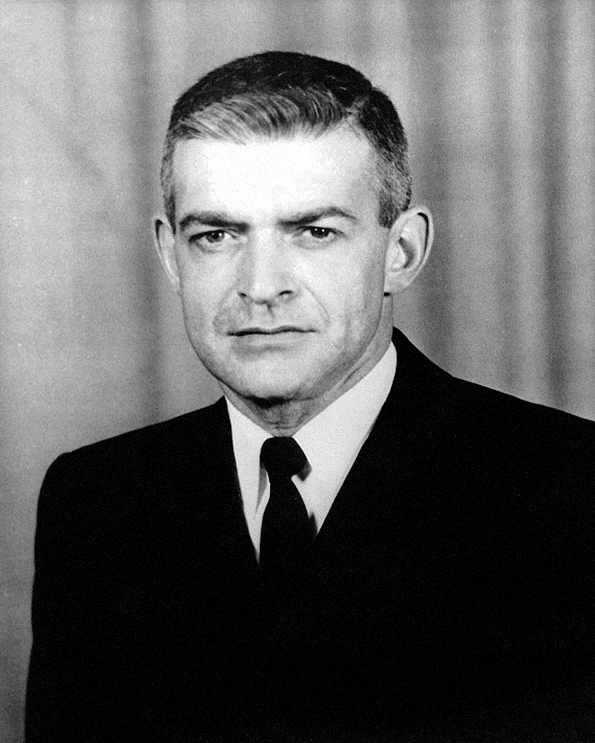
On this day in 1967, a Navy chaplain makes the ultimate sacrifice as he ministers to his Marines during the Vietnam War. Father Vincent Capodanno would receive a Medal of Honor for his selfless actions on this day so long ago.
Father Capodanno has since been declared a “Servant of God” by the Catholic Church, and he is now being considered for sainthood.
Capodanno was no ordinary military chaplain! In fact, he was affectionately dubbed “The Grunt Padre” by his men because of his insistence upon sharing their burdens and duties—however dangerous they might be.
“He was not a religious leader who did his job and then returned to the comfort of his own circle,” Capodanno’s biographer writes. “He lived as a Grunt Marine. Wherever they went, he went. Whatever burdens they had to carry, he shared the load. No problem was too large or too small to take to Father Vincent—he was available to them day and night.”
That approach would cost Capodanno his life during Operation Swift, a Vietnam War operation during the fall of 1967. On September 4, a portion of Capodanno’s battalion was ambushed. The conflict turned into an all-out battle.
As a chaplain, Capodanno could easily have remained at the company command post. All things considered, it was a much safer place to be! But it also went against the grain for Capodanno to stay in a place of relative safety when his men were suffering. He wanted to be with them.
He “ran through an open area raked with gunfire, directly to the beleaguered platoon,”
MEDAL OF HONOR CITATION
He “ran through an open area raked with fire, directly to the beleaguered platoon,” his Medal citation reports. “Disregarding the intense enemy small-arms, automatic-weapons, and mortar fire, he moved about the battlefield administering last rites to the dying and giving medical aid to the wounded.”
During the course of his ministrations, Capodanno was seriously wounded in his arms and legs. His right hand was partially severed. And yet he continued on.
Capodanno was at the side of Sergeant Lawrence Peters when Peters passed away. The Sergeant had acted so heroically during the battle that he would receive his own Medal of Honor!
Peters did not have to die alone because of Capodanno.
Another Marine, Corporal Ray Harton, was wounded that day. Father Capodanno found him as he lay bleeding there on the battlefield. “As I closed my eyes, someone touched me,” Harton later reported. “When I opened my eyes, he looked directly at me. It was Father Capodanno. Everything got still: no noise, no firing, no screaming. A peace came over me that is unexplainable to this day. In a quiet, calm voice, he cupped the back of my head and said, ‘Stay quiet Marine. You will be okay. Someone will be here to help you soon. God is with us all this day.’”
The end came when Capodanno noticed a corpsman struggling with a wound to his leg. An enemy machine gun was still trained on the young man. “Fr. C. ran out to him and positioned himself between the injured boy and the automatic weapon,” Lieutenant Joseph E. Pilon later related. “Suddenly, the weapon opened up again and this time riddled Fr. C. from the back of his head to the base of his spine—and with his third Purple Heart of the day—Fr. C. went Home.”
When Father Capodanno’s body was recovered, it had 27 bullet wounds in it.
On this Labor Day weekend, perhaps it is appropriate to remember a man who labored so diligently for his God, his family of Marines, and his country.
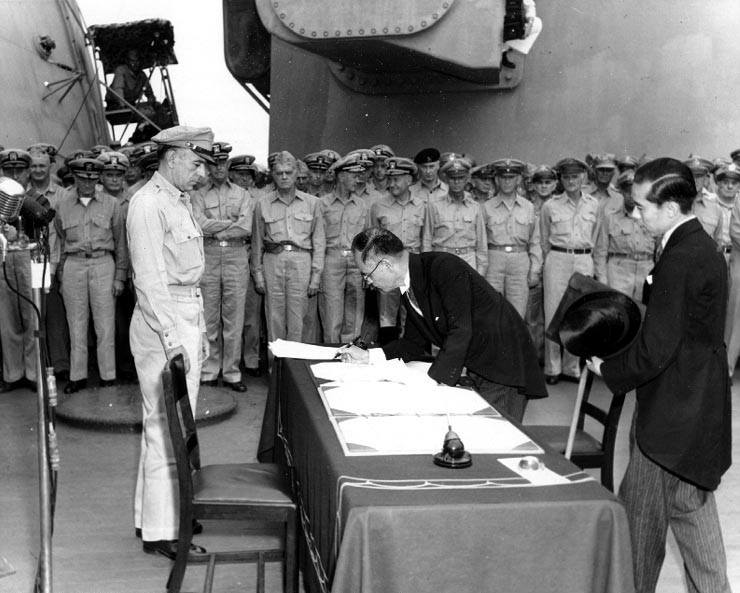
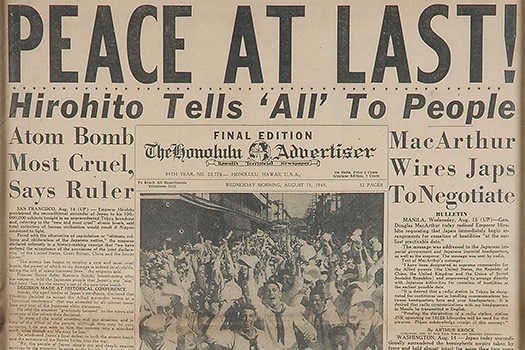
The War in the Pacific in World War II officially ended 76 years ago today on September 2, 1945. Fittingly, because this terrible War began on a Sunday on December 7, 1941, it also ended on a Sunday. The History Channel describes the end this way:
“Aboard the USS MISSOURI (BB 63) in Tokyo Bay, Japan formally surrenders to the Allies, bringing an end to World War II.
“By the summer of 1945, the defeat of Japan was a foregone conclusion. The Japanese navy and air force were destroyed. The Allied naval blockade of Japan and intensive bombing of Japanese cities had left the country and its economy devastated. At the end of June, the Americans captured Okinawa, a Japanese island from which the Allies could launch an invasion of the main Japanese home islands. U.S. General Douglas MacArthur was put in charge of the invasion, which was code-named “Operation Olympic” and set for November 1945.
“The invasion of Japan promised to be the bloodiest seaborne attack of all time, conceivably 10 times as costly as the Normandy invasion in terms of Allied casualties. On July 16, a new option became available when the United States secretly detonated the world’s first atomic bomb in the New Mexico desert. Ten days later, the Allies issued the Potsdam Declaration, demanding the “unconditional surrender of all the Japanese armed forces.” Failure to comply would mean “the inevitable and complete destruction of the Japanese armed forces and just as inevitable the utter devastation of the Japanese homeland.” On July 28, Japanese Prime Minister Kantaro Suzuki responded by telling the press that his government was “paying no attention” to the Allied ultimatum. U.S. President Harry S. Truman ordered the devastation to proceed, and on August 6, the U.S. B-29 bomber Enola Gay dropped an atomic bomb on the Japanese city of Hiroshima, killing an estimated 80,000 people and fatally wounding thousands more.
“After the Hiroshima attack, a faction of Japan’s supreme war council favored acceptance of the Potsdam Declaration….”
THE HISTORY CHANNEL
“After the Hiroshima attack, a faction of Japan’s supreme war council favored acceptance of the Potsdam Declaration, but the majority resisted unconditional surrender. On August 8, Japan’s desperate situation took another turn for the worse when the USSR declared war against Japan. The next day, Soviet forces attacked in Manchuria, rapidly overwhelming Japanese positions there, and a second U.S. atomic bomb was dropped on the Japanese coastal city of Nagasaki.
“Just before midnight on August 9, Japanese Emperor Hirohito convened the supreme war council. After a long, emotional debate, he backed a proposal by Prime Minister Suzuki in which Japan would accept the Potsdam Declaration “with the understanding that said Declaration does not compromise any demand that prejudices the prerogatives of His Majesty as the sovereign ruler.” The council obeyed Hirohito’s acceptance of peace, and on August 10 the message was relayed to the United States.
“On Sunday, September 2, more than 250 Allied warships lay at anchor in Tokyo Bay. The flags of the United States, Britain, the Soviet Union, and China fluttered above the deck of the MISSOURI. Just after 9 a.m. Tokyo time, Japanese Foreign Minister Mamoru Shigemitsu signed on behalf of the Japanese government. General Yoshijiro Umezu then signed for the Japanese armed forces, and his aides wept as he made his signature.
“Supreme Commander MacArthur next signed, declaring, “It is my earnest hope and indeed the hope of all mankind that from this solemn occasion a better world shall emerge out of the blood and carnage of the past.” Nine more signatures were made, by the United States, China, Britain, the USSR, Australia, Canada, France, the Netherlands and New Zealand, respectively. Admiral Chester W. Nimitz signed for the United States. As the 20-minute ceremony ended, the sun burst through low-hanging clouds. The most devastating war in human history was over.” — The History Channel
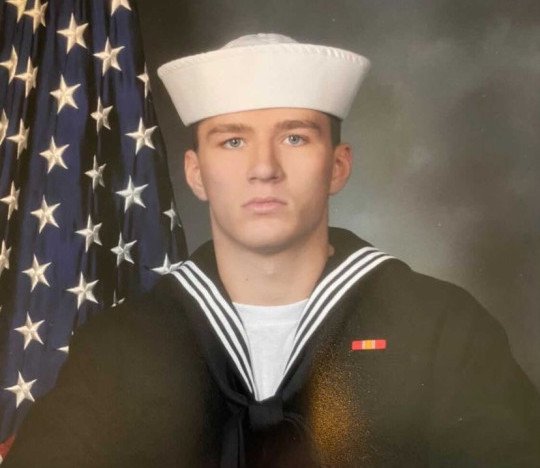
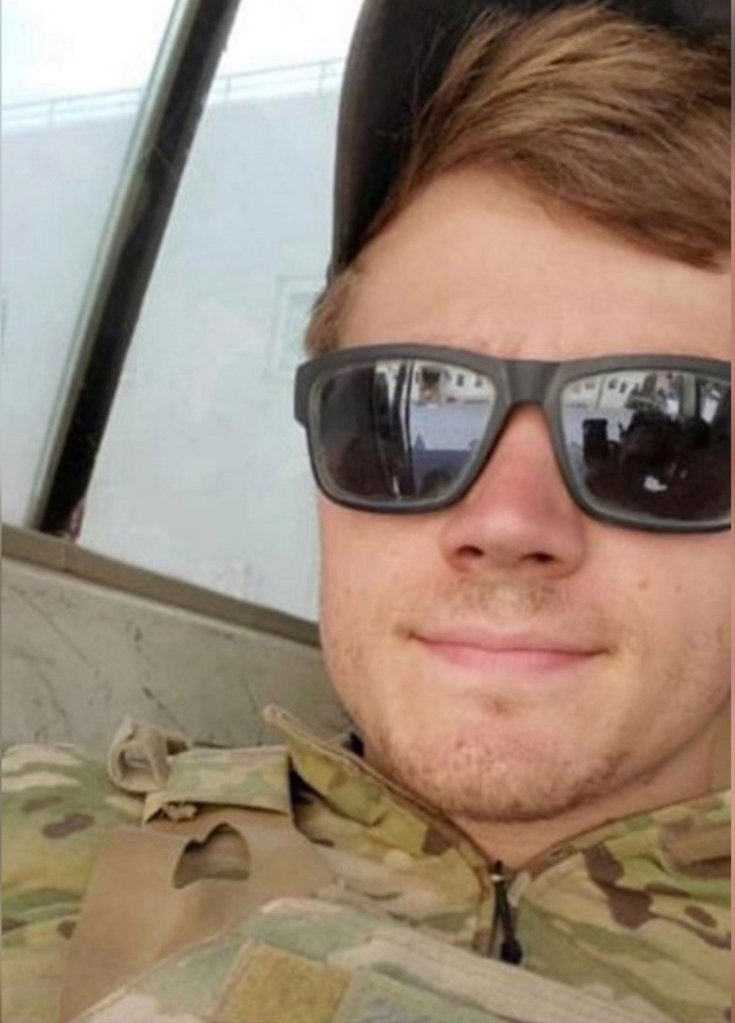
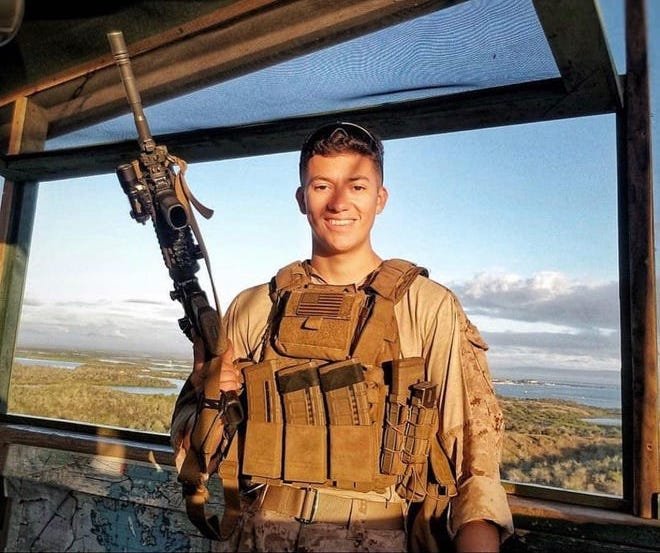
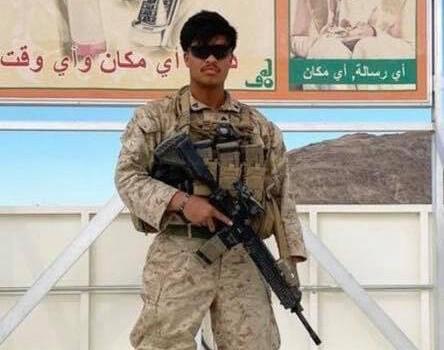
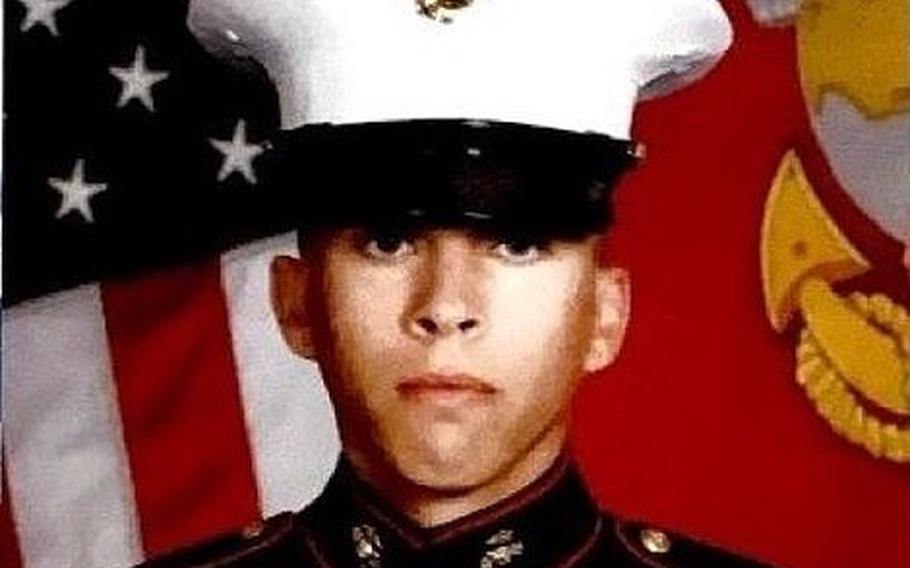
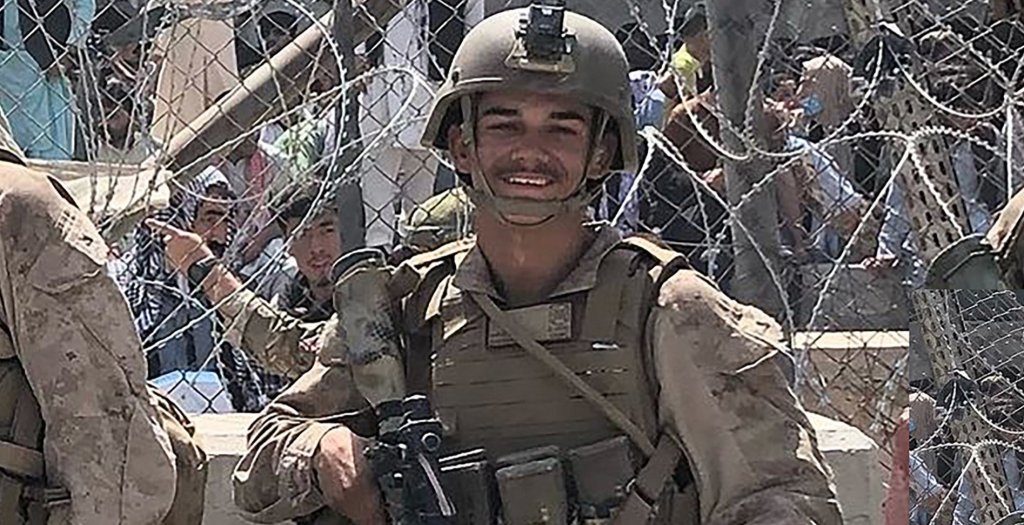
Thirteen military service members were killed in a suicide bomb blast at the Abbey Gate of Hamid Karzai International Airport in Kabul, Afghanistan, Thursday August 27, 2021. They were processing evacuees from the war-torn country to be airlifted out on US military aircraft when they were killed.
The 13 service members are:
US Navy Hospital Corpsman Maxton Soviak
US Army Staff Sergeant Ryan Knauss
US Marine Corps Corporal Daegan William-Tyeler Page
US Marine Corps Corporal Hunter Lopez
US Marine Corps Corporal Humberto Sanchez
US Marine Corps Lance Corporal David Lee Espinoza
US Marine Corps Lance Corporal Dylan Merola
US Marine Corps Lance Corporal Jared Schmitz
US Marine Corps Lance Corporal Kareem Mae’Lee Grant Nikoui
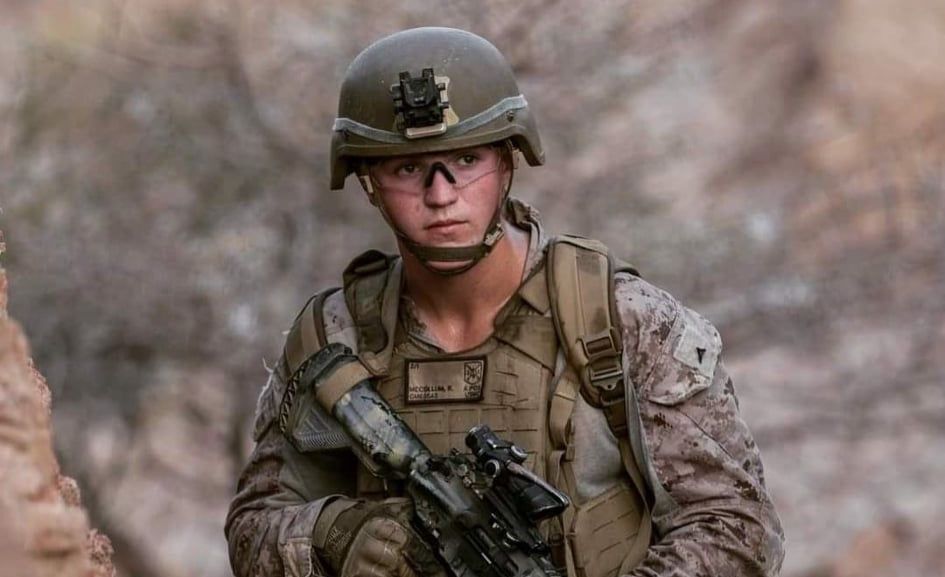
US Marine Corps Lance Corporal Rylee McCollum
US Marine Corps Sergeant Johanny Rosario Pichardo
US Marine Corps Sergeant Nicole Gee
US Marine Corps Staff Sergeant Darin Taylor Hoover, Jr.
The 13 killed ranged in age from 20 to 31. Five were only 20 years old. One of those, US Marine Corps Lance Corporal Rylee McCollum, was to become a father less than a month from now. The bodies of these American heroes were transferred to Dover Air Force Base on August 30, 2021.
During the past 20 years the US has fought in Afghanistan, 2,461 service members have died in the service of their country. These 13 were the last to die in this conflict.
The Kabul Airport and the nation of Afghanistan was completely evacuated of all US military warriors on Monday, August 30, 2021. Hundreds of American citizens and Afghan allies were left behind when the American forces withdrew from the country.
Today is the 80th birthday of a rock and roll pioneer, singer, and composer: Paul Anka. In addition to his more well-known songs, he also composed the theme for Johnny Carson’s “Tonight Show” and Frank Sinatra (and many others) hit “My Way.”
Here is the information posted today on one of my rock music Groups on FaceBook, “Rock the Oldies with me Lisa Marie:”
One of the biggest classic pop performers, Canadian singer-songwriter Paul Anka moved from teen heartthrob to adult artist with a slew of hits.
Born in Canada in 1941, teen singer Paul Anka’s hit “Diana” sold millions of copies and set him up as a top teen idol with prolific songwriting abilities. He then appeared in several films, headlined a Vegas act, hosted TV variety shows and wrote hits for the likes of Frank Sinatra and Tom Jones. He rose to the top of the charts again with the 1974 duet “You’re Having My Baby.”
Early Life
Famed singer-songwriter Paul Anka was born on July 30, 1941, in Ottawa, Canada. Anka was the eldest of three children born to his Lebanese-Canadian parents, Andy and Camelia Anka. Anka spent his childhood helping out in the kitchen and schmoozing with patrons of his father’s restaurant, the Locanda, a popular hangout for Ottawa journalists, politicians and businessmen. From an early age, it was clear that Anka had an abundance of confidence and big dreams of life on stage. “I was pretty precocious, a pretty aggressive kid,” Anka said. “I think my parents knew they had an unusual child.
“Shortly after his 15th birthday, Anka bought himself a ticket to Los Angeles, staying with an uncle there while he tried to make his name as a singer. At the year’s end, he convinced his father to let him go to New York City in search of his big break. His father agreed, on one condition: If Paul couldn’t make it big in the Big Apple, he would have to come back home to Ottawa.
Anka hit the Manhattan pavement running. Soon after his arrival, he landed a meeting with Don Costa, an executive at ABC/Paramount Records, who agreed to listen to a few minutes of Anka’s music. After hearing the teenager play some of his songs on the piano, Costa called in his colleagues. Within days, Anka’s father was in New York signing a contract on behalf of his son, who was still a minor and thus couldn’t sign on his own.
This undated image from a remotely operated underwater vehicle courtesy of Paul G. Allen, shows a spare parts box from the USS Indianapolis on the floor of the North Pacific Ocean.
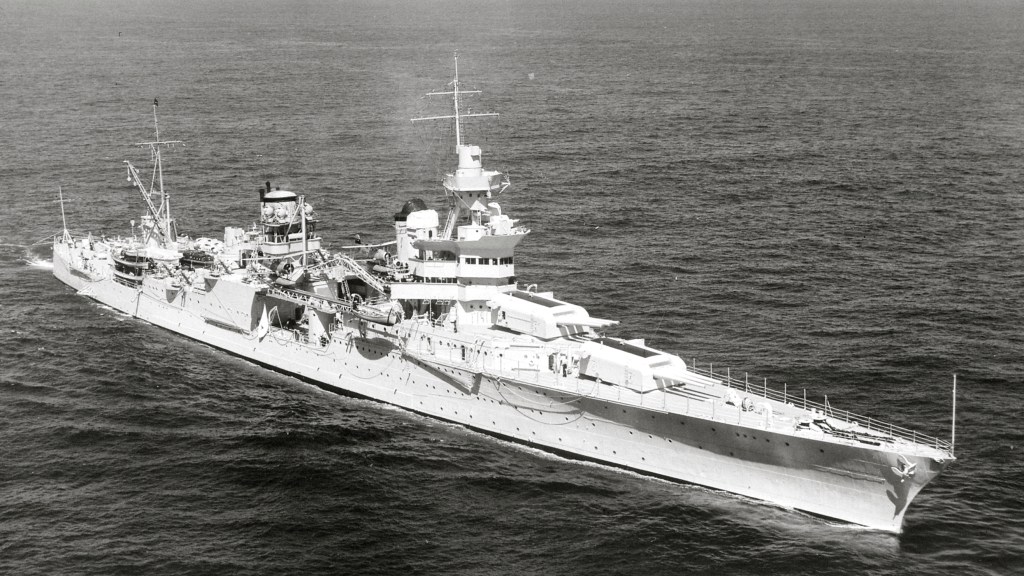
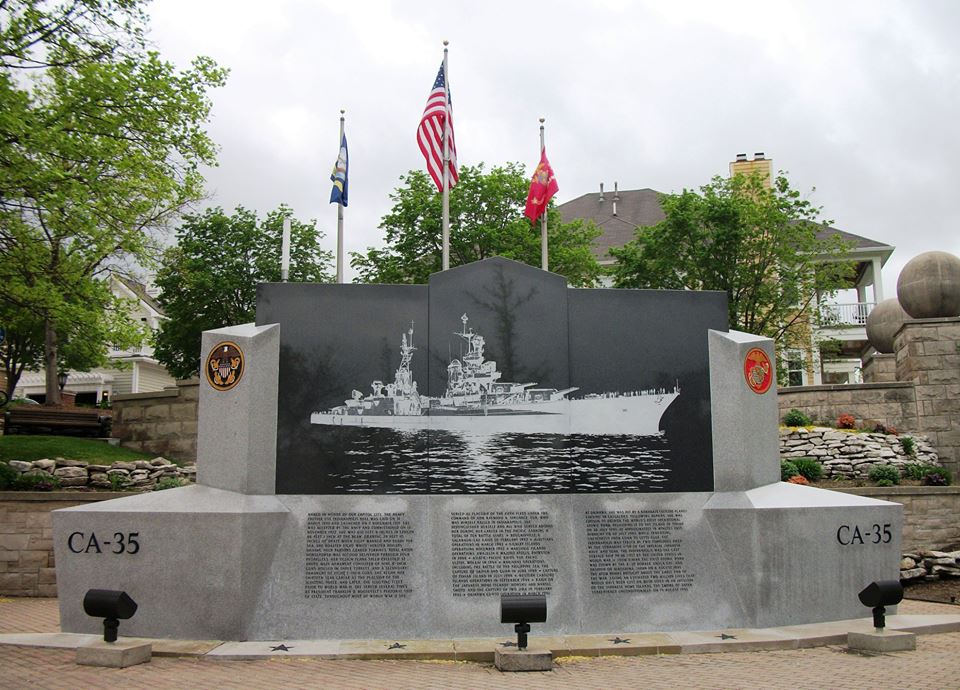
Two Navy ship disasters in two days: Yesterday was the USS FORRESTAL and today is the USS INDIANAPOLIS. I knew this one was coming; it’s been on my calendar all year.
Several years ago, my landlord was an INDIANAPOLIS survivor. During World War II, Lieutenant (Junior Grade) Charles McKissick served in INDIANAPOLIS and survived the sinking. We used to sit and talk in McKinney, TX, about our times in the Navy and he would talk about the days and nights he spent in the water after the sinking before being rescued. Every year, Charles would travel to Indianapolis, IN, each July for the ship’s reunion. When he returned, he would tell me that many of his shipmates were missing that year. The numbers continued to dwindle down at each reunion. This was in the early 1990s. LTJG Charles McKissick is also gone now. Rest In Peace, Sir. You and your Shipmates earned your reward. “Rest your oars, Sir. We have the Watch, now.” God bless these brave men and God bless America.
Here is Guest Author and Historian Tara Ross’ essay today on the sinking of the USS INDIANAPOLIS (CA 35) on July 30, 1945:
On this day in 1945, USS Indianapolis is sunk by Japanese torpedoes. The survivors would float in the ocean for days before they were found.
There was just one silver lining to the tragedy. Indianapolis had already performed the most important part of its mission: It had successfully carried parts for the Little Boy atomic bomb across the Pacific. American bombers would soon carry Little Boy toward Hiroshima. In combination with the bomb dropped on Nagasaki, Little Boy would ultimately force an end to World War II.
If only crew members had known what they were carrying! But they didn’t. Instead, Indianapolis completed its delivery of the bomb components on July 26. The ship’s captain, Captain Charles McVay, then continued on to Guam. He was ordered to continue on to the Leyte Gulf.
Unfortunately, the seeds for tragedy were already being sown.
A transmission containing Indianapolis’s expected route was sent ahead to the Leyte Gulf. Unfortunately, a radio staff member there decoded part of the message incorrectly. As a result, the senior officer to whom McVay was to report had no idea that Indianapolis was coming.
Thus, he would not miss her when she failed to arrive on time a few days later. But that wasn’t the only problem. McVay had requested an escort to the Philippines, but he would not get one. Indianapolis had no sonar capabilities, limiting McVay’s ability to detect Japanese submarines on its own. When McVay heard that he wouldn’t have an escort, he took the news calmly. He’d traveled alone before, and the intelligence report for his voyage indicated that the trip should be routine.
“…two critical pieces of information were missing from that intelligence report.”
It turns out that two critical pieces of information were missing from that intelligence report. Japanese submarines were known to be operating along his planned path.
Thus, no one was really worried—even if they should have been. It was assumed that Indianapolis could travel safely through these backwaters from Guam to the Leyte Gulf. The ship and its crew left Guam, alone, on July 28.
The voyage was uneventful at first, but the evening of July 29 brought difficulties. Visibility became limited. Indianapolis had been zigzagging through the water, theoretically making it more difficult for a submarine to attack her. But as visibility worsened, Captain McVay ordered a stop to the zigzagging. He had been given discretion to make such a decision, although he was later criticized for making that call.
A little before midnight, a Japanese submarine spotted Indianapolis. Six torpedoes were fired at her just after midnight. Two of these torpedoes found their mark and tore their way through the American ship.
One sailor later described the impact: “Whoom. Up in the air I went. There was water, debris, fire, everything just coming up and we were 81ft (25m) from the water line. It was a tremendous explosion. Then, about the time I got to my knees, another one hit. Whoom.”
One torpedo blew away the bow of the ship. A second torpedo hit near the fuel compartment. The ship exploded—it sank in only 12 minutes! At least one distress signal was sent as the ship went down, but the signal was ignored. Possibly Americans thought that the distress signal was a Japanese ruse to lure rescue ships out to sea.
Of the nearly 1,200 men on board, about 900 men survived the initial explosion and went overboard into the water. They would not be rescued for days.
On this day in 1967, fire broke out aboard USS FORRESTAL (CV 59). My hometown lost one of its own that day. Seaman Ray Chatelaine was killed in that fire.
That is one of the epic disasters in Navy history. Because of that fire, however, training was increased for Sailors, ashore and afloat, that such a tragedy might never happen again. This fire prompted the Navy to revise its firefighting and weapons-handling procedures. There were many heroes that day, but one who stands out was Chief Gerald W. Farrier, the commander of Damage Control Team 8, who was among the first to die in the fire and explosions. The Farrier Fire Fighting School Learning Site in Norfolk, Virginia, was named after this hero.
There are those who will claim that one of the pilots was hot shotting around and accidentally set the fire with his antics and shenanigans. That was never proven and the main thing we must remember are these heroes. They are no less heroes than those who lost their lives in combat in any war. God bless the Sailors and Shipmates of USS FORRESTAL (CV 59) and God bless America.
Historian and author Tara Ross continues with the full story below:
On this day in 1967, a rocket accidentally discharges aboard the flight deck of USS Forrestal. It smashes into a fighter jet piloted by then-Lt. Commander John McCain. Within minutes, the aft end of the aircraft carrier is ablaze.
The incident would result in the worst loss of life aboard a U.S. Navy vessel since World War II.
Forrestal was then the premier ship of its kind. She’d been dispatched to Vietnam, arriving off its coast on July 25. Things went awry just a few days later when she received a problematic shipment of ammunition. It was old and had been poorly maintained, but the Navy was short on ordnance. Old, Korean War-era bombs were now back in circulation.
The ordnance crew was upset, but resigned. Attack waves were already planned. The ordnance would be gone soon.
Except then tragedy struck. At 10:51 on July 29, a pilot in an F-4 Phantom jet was preparing for that day’s second attack wave. As he switched from external power to internal power, he felt a jolt. An unexpected electrical surge had fired one of his Zuni rockets. It tore off the Phantom, zipping across the flight deck and tearing into an A-4 Skyhawk. The pilot of that plane was none other than future Senator (then-LCdr.) John McCain.
The rocket ripped open the Skyhawk’s fuel tank.
Spilled fuel, jet exhaust, and burning rocket propellant did their work: Fuel and planes were soon ablaze. Some pilots were trapped. Others were helped out by their crews. A few, including McCain, pushed their way out of cockpits and jumped. Fuel continued to pour out of planes, worsening an already bad situation.
Firefighting efforts began quickly, which turned out to be unfortunate. The old bombs couldn’t take the heat, as newer bombs can. A mere 1 minute, 34 seconds into the fire, one of them exploded. A fireball shot into the sky, rocking the entire carrier. Most of Forrestal’s specially trained flight-deck firefighters were killed instantly.
Fighting the fire was useless. Bomb after bomb kept exploding as the fuel and fire spread. There was nothing to do but to run for cover. Finally, after five minutes, there was a break. By then, the fire was raging out of control. Holes had been blasted into the flight deck. The scene was so bad and so bloody that some sailors thought Forrestal was under attack.
What else could wreak such havoc?
Admiral Chester W. Nimitz once noted that “uncommon valor was a common virtue” during a World War II battle. The same could be said of the sailors aboard Forrestal that day. Deprived of a firefighting team, they rose to the occasion. Their inexperience led to mistakes—and yet they were heroic!
Remember, the flight deck was full of planes, loaded with ammunition that could still blow. Sailors manually pushed aircraft away from the fire. Other planes, past saving, were pushed into the ocean. Ordnance, too, was pushed overboard. At one point, a sailor loaded a forklift with ammunition, rode it to the edge of the deck, then jumped out just as the forklift fell into the sea.
Some sailors learned to use an Oxygen Breathing Apparatus on the fly so they could fight fires. Throughout it all, of course, sailors were helping their comrades, some of whom were burned beyond recognition. They recognized friends by tattoos or by names stitched onto uniforms.
The main fire was extinguished within an hour, but small fires would continue below deck long afterwards. It had been a deadly sequence: 134 men were dead and hundreds more were wounded. Twenty-one planes were demolished. Forrestal itself had been all but destroyed.
And yet, in many ways, the most remarkable thing about the day was Forrestal’s exceptional crew.

































 Gentle reminder: History posts are copyright © 2013-2021 by Tara Ross. I appreciate it when you use the shar e feature instead of cutting/pasting.
