Battle of the Alamo Begins 186 Years Ago: February 23, 1836

by HB Auld, Jr.

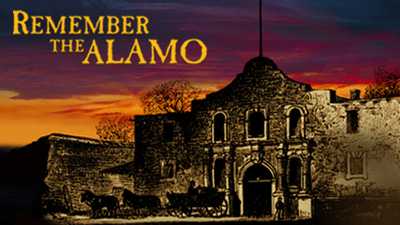
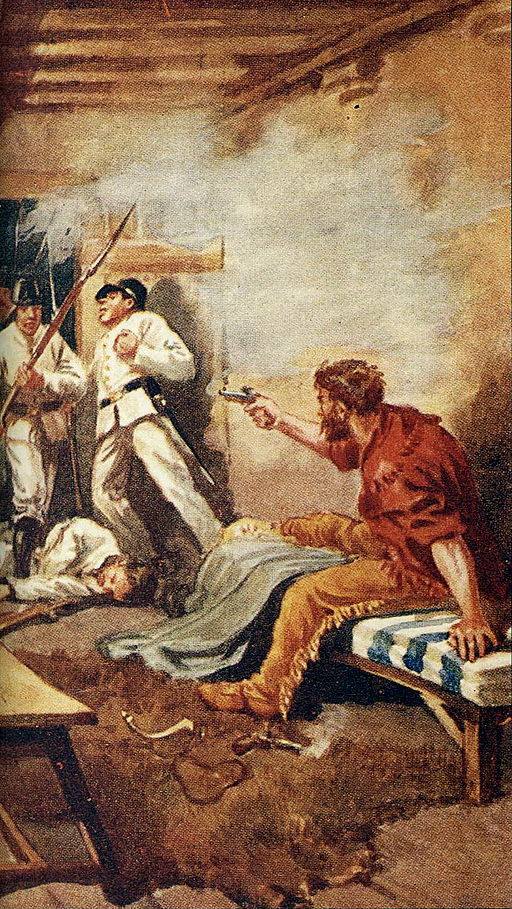
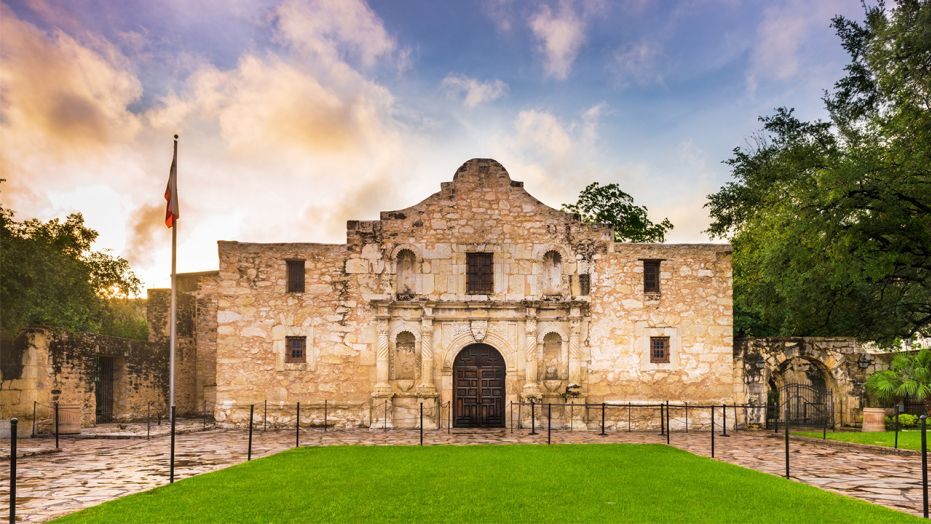
On this day, 186 years ago, February 23, 1836, one of the bloodiest battles of the Texas War for Independence began:  The Battle of the Alamo. At the end of the 13-day battle, more than 187 Texians (as they were called back then) lay slaughtered in and around the San Antonio mission, along with 400 to 600 Mexicans who died or were wounded in the assault on the Mission.   This battle generated the battle cry: “Remember the Alamo,” which resonates with Texans, even today.

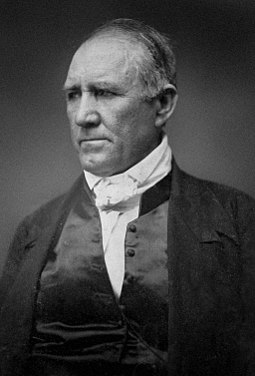
At the end of the 13-day siege (February 23 – March 6, 1836) Mexican President and Army commander of more than 1,500 Mexican attackers, General Antonio Lopez de Sana Anna claimed victory over the Alamo’s Texian defenders, all of whom were either killed in the onslaught or executed after the battle.   This bloody massacre was soon followed by the Battle of Goliad and later the Battle of San Jacinto where Santa Anna (as he was called) was defeated in a battle that lasted just 18 minutes by Texas General (and first Republic President) Sam Houston on April 21, 1836.  The rallying cries, “Remember the Alamo” and “Remember Goliad” echoed throughout this final battle for Independence.  The Battle of Goliad was fought at sunrise on Palm Sunday, March 27, 1836. The Mexican Army marched most of the captured Texian army from the Persidio La Bahia near Goliad out in three groups. A short distance later, the Mexican army opened fire on the unarmed Texian defenders and executed 342 of them. Forty of the executed soldiers were too wounded to march.  

Travis became the sole commander of the Alamo on February 24, 1836. 

In February, 1836, the garrison at the Alamo, a Spanish mission near San Antonio, Texians led by 26-year old Colonel William B. Travis, James Bowie (originator of the famed “Bowie Knife”), Tennessean Davy Crockett and others, prepared to defend the mission.  James Bowie had originally been ordered to the Alamo on January 19, 1836.  He arrived with orders to destroy the complex.  Instead, he took command of the garrison as its co-commander, along with Colonel William Barret Travis.  Travis became the sole commander of the Alamo on February 24, 1836. 

Texians, enraged by the slaughter at the Alamo and later Goliad, joined the Texas Revolution cause across the state.  A little more than a month after the fall of the Alamo, Texas General Sam Houston made his stand on the banks of the Buffalo Bayou and the San Jacinto Bay near the present-day city of Houston, and defeated Mexican General and Commander, Santa Anna in a battle that lasted just 18 minutes.  General Santa Anna was captured while disguised as a mere foot soldier and Private, but was recognized and cheered by his men as he was paraded through the other Prisoners of War.  Santa Anna was presented to General Sam Houston and just three weeks after the battle, was forced to sign a peace treaty which dictated that the Mexican Army would depart the area to south of the Rio Grande River.  The Republic of Texas then became an independent country, General Samuel Houston became a national celebrity, and the rallying cries “Remember the Alamo,” and “Remember Goliad” became legendary in Texas history. 
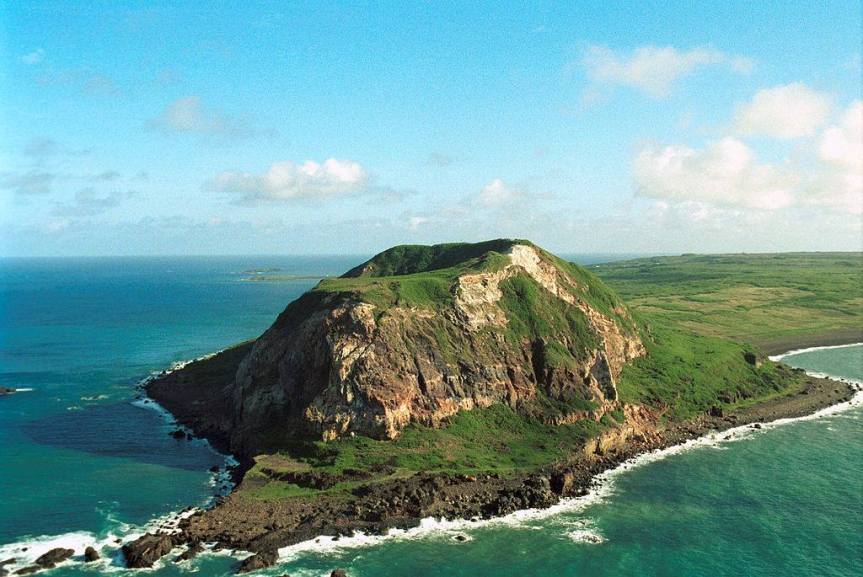

The Assault on Iwo Jima Began 77 Years Ago Today: February 19, 1945

by HB Auld, Jr.

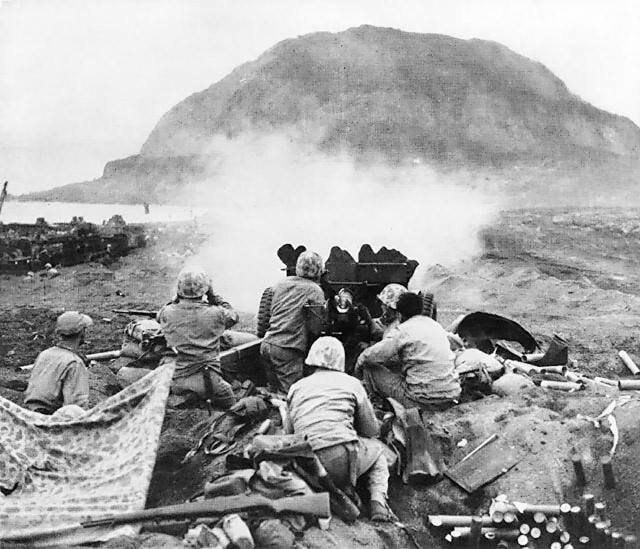
Today marks the 77th anniversary of the beginning of the bloody assault on the island of Iwo Jima in World War II: February 19, 1945.

Most think of the raising of the flag on Mount Suribachi when the island of Iwo Jima is mentioned. That would come four days later on February 23 after a bloody battle that took the lives of more than seven thousand US Marines.

But the beginning of this epic, important battle began with an underwater attack by US Navy “Frogmen” (Underwater Demolition Teams or UDTs, the precursors of Navy SEALS). Japanese snipers fired upon them, giving up their “secret” positions on the island. Under the watchful eyes of the US Navy Secretary of the Navy (later the first Secretary of Defense) James Forrestal, US Marines landed on the island in amphibious landing crafts. Forrestal was offshore, accompanied by journalists, in a command ship watching the attack.

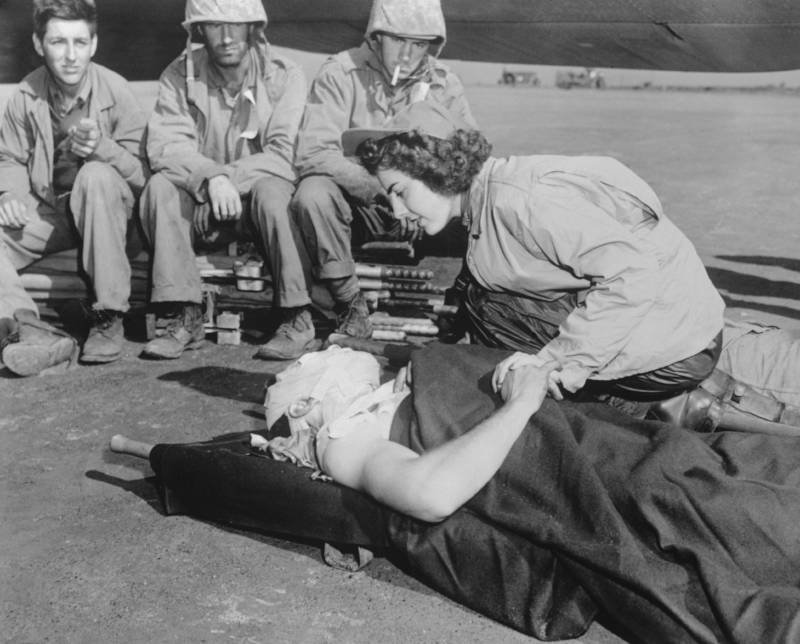
By nightfall that first day, more than 550 Marines lay dead on the beaches and more than 1,800 were wounded from seven Japanese battalions defending the island. Many more American Marines and Japanese defenders would die during the next four days before famed photojournalist Joe Rosenthal would take his famous photograph of six US Marines raising the flag atop Mount Suribachi.

A vital piece of Pacific real estate would finally be in the hands of the Americans in their onward march toward Japan and Victory over Japan (VJ) Day, still almost seven months away.

The Liberation of Auschwitz Camp

by HB Auld, Jr.

Photographs by Tony Corso: Paris, Texas, Photojournalist

Today marks the 77th anniversary of the Liberation of the Auschwitz-Birkenau Concentration and Extermination Camp.

The Camp was liberated by the Russian Red Army during the Vistula–Oder Offensive. Soldiers of the 60th Army of the First Ukrainian Front opened the gates of Auschwitz Concentration Camp for Liberation on January 27, 1945.

Many of the Jews died during the forced march to Auschwitz-Birkenau, but approximately 7,000 Jews remained in the Main Camp and the smaller surrounding camps when the Russian Red Army arrived at the gates. Soviet soldiers discovered the corpses of about 600 prisoners there who had been shot by withdrawing German SS soldiers or who had succumbed to exhaustion.

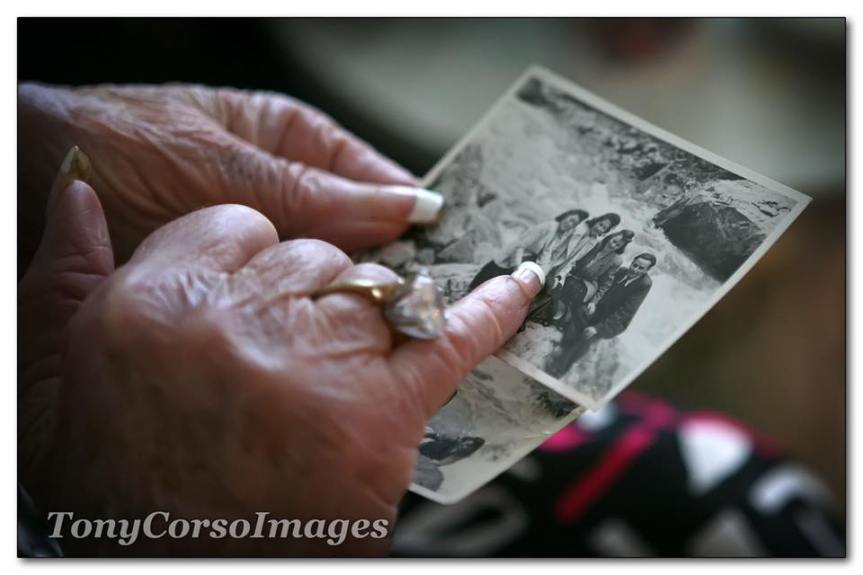
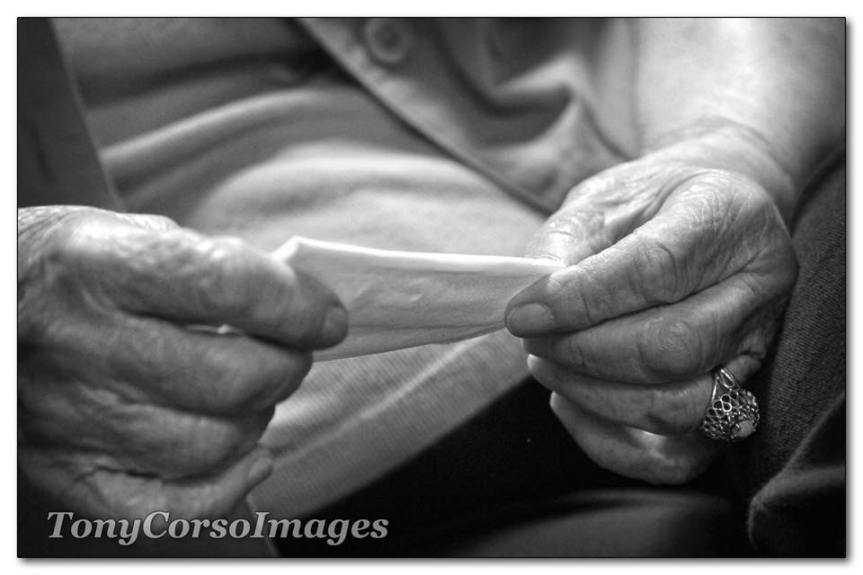
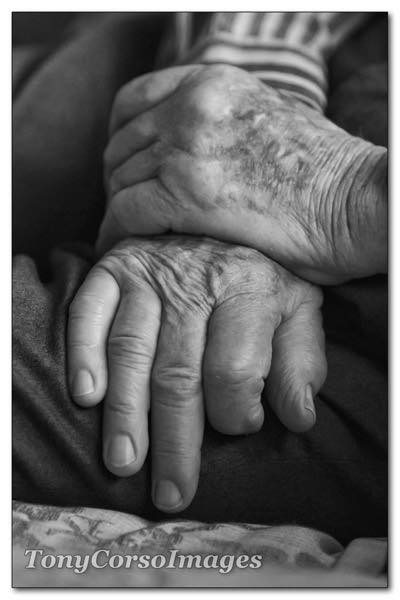
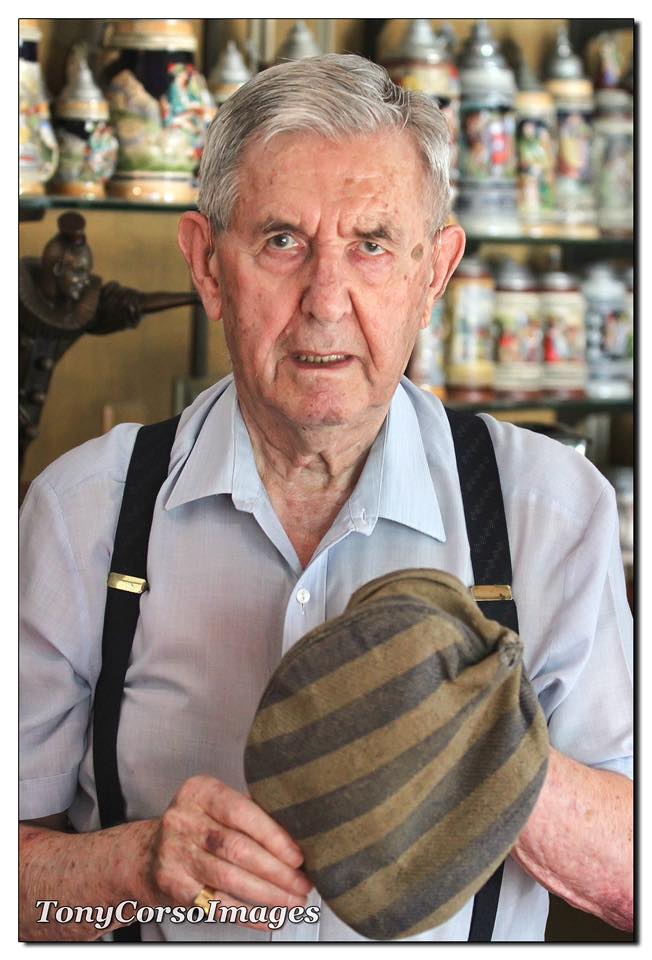
The photos here were taken by Paris, TX, photojournalist Tony Corso, during his coverage for The Holocaust Survivor Project in 2010. Thank you for your photographs, Tony.

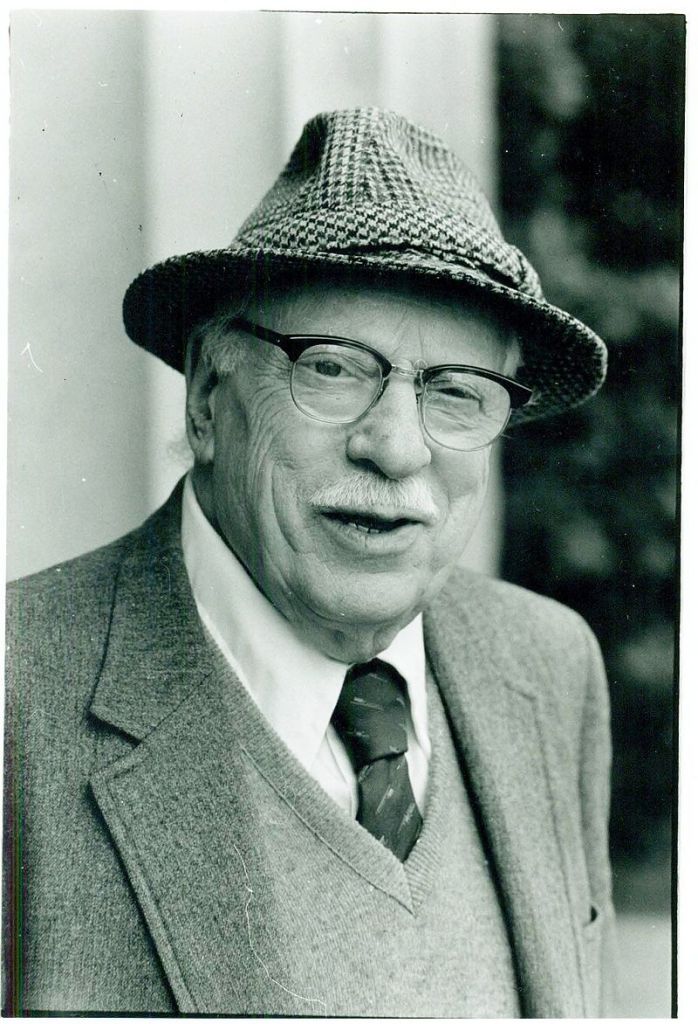
For the black and white photo of Max Glauben above, Tony wrote:

“And then there is Max Glauben…the eternal optimist. I will always remember him sharing a story about a group he led back to Poland on his annual trips with college students (March of the Living) They were in the camp where his parents were killed. Apparently he had become separated from the group. The students heard someone whistling away in some cheerful tune and they were shocked that anyone could be so disrespectful to whistle like that in such a place.


“Lo and behold here come Max around the corner and it was him whistling. Someone asked him how he could whistling that in such a cheerful manner. His response: “This is where my parents were killed. If I didn’t whistle, I’d cry.”

Let us vow to never, EVER forget the horrors of all of these German concentration and extermination camps of World War II and the sacrifices that more than six million Jews made there.


Rock Legend Meat Loaf: Dead at 74

by HB Auld, Jr.

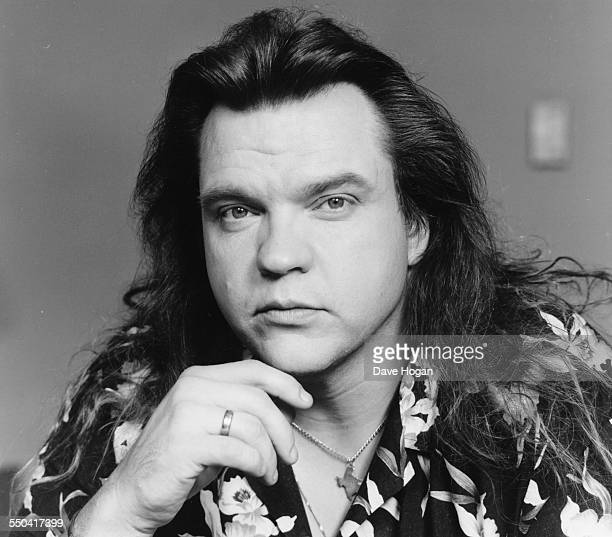
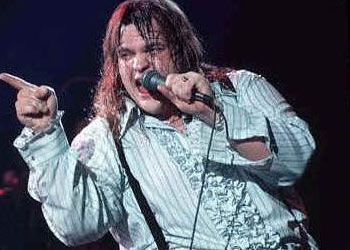
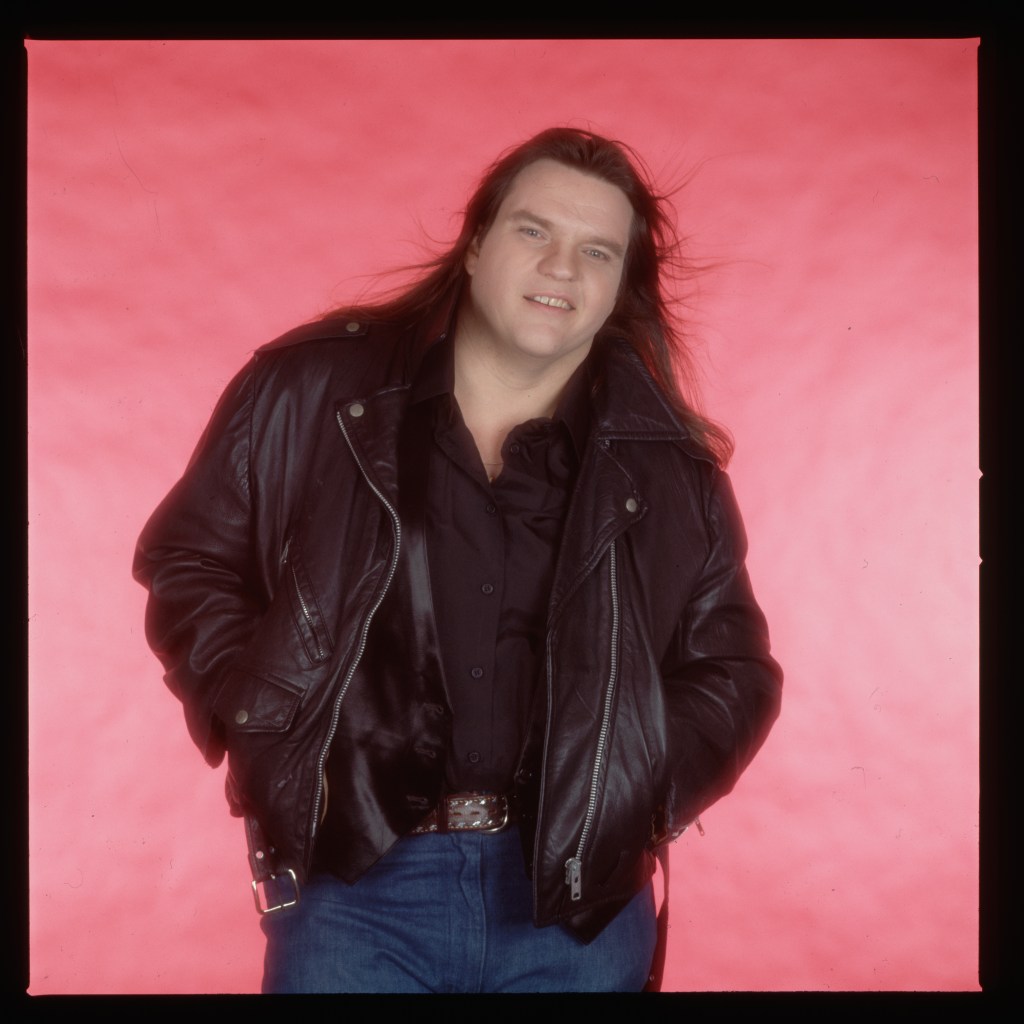
Rock and roll legend, Michael Lee Aday, better known as Meat Loaf, died Thursday, January 20, 2022. The actor, singer, and theatrical legend was 74 years old. No cause of death was officially announced, but one news outlet listed complications of COVID as the cause. Meat Loaf’s wife of 15 years, Deborah Gillespie, was at his side when he passed away.

Born Marvin Lee Aday, he changed his first name to Michael, but was always known to his music and movie audience as Meat Loaf, a nickname he acquired as a high school football player when he stepped on the coach’s foot. However, he also said he lied about other sources for the moniker, devising a new “story” every time someone asked him how he received the nickname. Another story was that his father told the nurse in the hospital to put “Meat” on his crib because even at four days old, he was still “…red like a hunk of meat.” One story he never changed was why he changed his name from “Marvin” to Michael. In the first grade, he was overweight and had trouble finding pants that fit. A Levi’s commercial came out that said, “…poor fat Marvin can’t wear Levi’s….” (although it had nothing to do with him). The kids teased him so mercilessly that he legally changed his first name to Michael in 1984 at the age of 37.

“…a stage, movie, and rock music star, as well as a touring giant….”

The versatile artist starred in the movie Fight Club and reprised his stage role of Eddie in the rock classic movie: Rocky Horror Show. He met his long-time song-writing partner, Jim Steinman, in the mid-1970s. Steinman had started writing a rock opera based on the story of Peter Pan when Meat Loaf joined him. That rock opera eventually became Bat Our of Hell, Meat Loaf’s first international rock hit.

Meat Loaf released such hits as Two Out of Three Ain’t Bad, I’d Do Anything for Love (but I Won’t Do That), It’s All Coming Back to Me Now (with Marion Raven) Bat Out of Hell II and III, Total Eclipse of the Heart, and so many, many more.

He and close friend Steinman did have some disagreements over the years because Steinman, the moving creative force behind the duo, felt left out of all the attention Meat Loaf was receiving. His friend, composer Jim Steinman, passed away April 19, 2021. At the time of Steinman’s death, Meat Loaf said he believed that he, too, would soon follow his friend and would not last a year. His prediction was right. Meat Loaf died just nine months later: January 20, 2022.

Meat Loaf: a rock music and theatrical legend — dead at the age of 74.


Today is Anniversary of Birth of Edgar Allan Poe: January 19, 1809

by HB Auld, Jr.

Today is the birthday of the Master of the Macabre, Edgar Allan Poe, born January 19, 1809, (the same year Abraham Lincoln was born, incidentally).

Both of Poe’s parents died before he was three years old. He was raised by his godfather, John Allan, a wealthy tobacco merchant. Poe married his 13-year old cousin, Virginia Clemm, in 1836, the same year he finished his first horror novel, Arthur Gordon Pym, which was published two years later.

Poe moved to Philadelphia, where he became known for his horror and detective novels. While there, he published The Fall of the House of Usher, and The Tell-Tale Heart. Poe also began writing mystery stories, including The Murders in the Rue Morgue and The Purloined Letter.

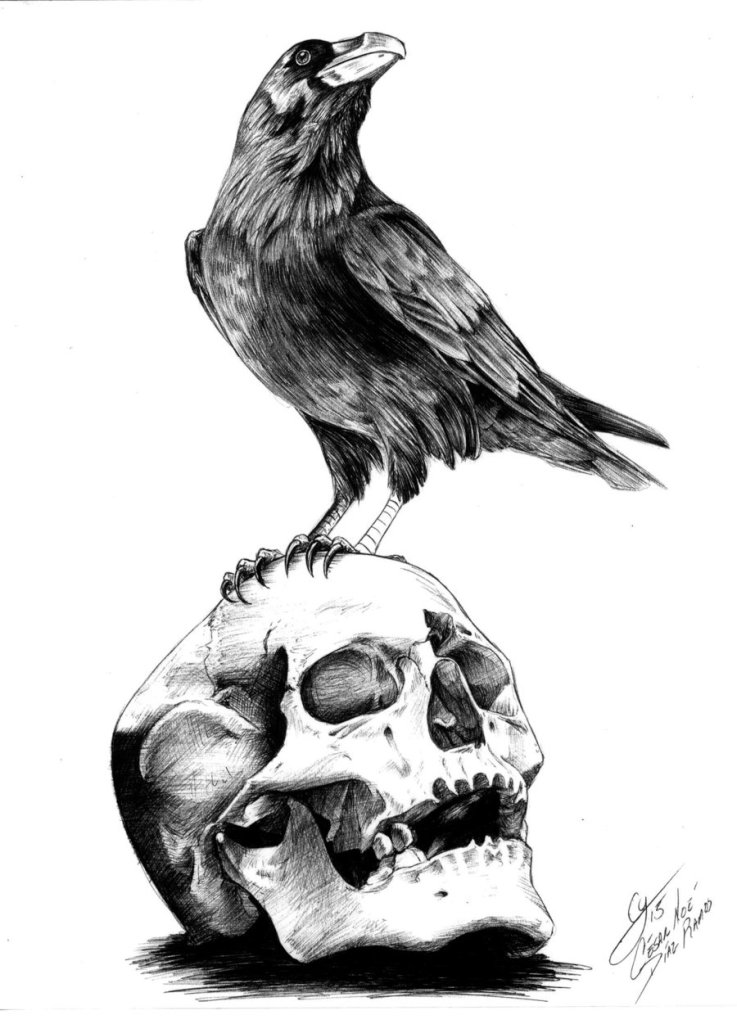
1845: famous poem, The Raven, published.

He moved to New York City and published his seminal poem, The Raven in 1845.

His wife fell ill and died in 1847. Poe returned to Richmond, VA, where it appeared he began drinking at a party in Baltimore and disappeared, only to be found incoherent in a gutter three days later. He was taken to the hospital where he died on October 7, 1849, at age 40 under suspicious circumstances.

Poe’s detective novels and superb ability at solving cryptographic ciphers influenced later authors and famous people such as Jules Verne, H.G. Wells, Sir Arthur Conan Doyle, H.P. Lovecraft, Alfred Hitchcock, and America’s foremost cryptologist: William Friedman. Two of Poe’s own cryptograms published in 1841 were not solved until 1992 and 2000.

Between 1949 and 2009 (200 years after Poe’s birth), a mysterious grave visitor known as the “Poe Toaster” left a bottle of cognac and three roses on Poe’s tombstone in Baltimore, MD, on his birthday each January 19. Sam Porpora, a historian, claimed to be the “Poe Toaster” in 2007, but was unable to prove it and some of his facts were inaccurate. The final annual bottle of cognac and three roses from the “Poe Toaster” were left on January 19, 2009, the bicentennial of Edgar Allan Poe’s birth.


Today is Nat’l Winnie the Pooh Day

by HB Auld, Jr.

Today is National Winnie the Pooh Day. January 18th commemorates author A.A. Milne’s birthday in 1882.

Milne brought the adorable, honey-loving bear to life in his stories, which also featured his son, Christopher Robin. Milne’s lovable Pooh Bear, as he was fondly called, is a fictional bear inspired by a black bear named Winnie. Winnie lived at the London Zoo during World War I. The author’s son, Christopher Robin, would visit the bear often. Christopher named his own teddy bear after her and a swan named Pooh. (Thanks to National Day Calendar)

Happy National Winnie the Pooh Day and happy birthday to A.A. Milne.

Ten things you didn’t know about Winnie the Pooh:

1. Winnie the Pooh author A. A. Milne named the boy in his stories after his son, Christopher Robin Milne.

2. The original Pooh bear was purchased at Harrods department store in London and given by A. A. Milne to Christopher Robin on his first birthday. At first, the toy was named Edward (proper form of Teddy) Bear.

3. Later, Christopher Robin changed the name of the toy to Winnie, after a real-life bear he saw at the London Zoo.

4. Real-life Winnie was a female black bear that belonged to Harry Colebourn, who was from Winnipeg, Canada. He brought her to England, where he served during World War I. Winnie’s permanent residence became the London Zoo. That’s much different from the fictional Winnie the Pooh, who is golden, male and British.

5. The fictional Hundred Acre Wood was based on the real Five Hundred Acre Wood in Ashdown Forest in Southeast England. Milne lived on the edge of the forest and took his son there.

6. The original manuscripts for “Winnie the Pooh” and “The House at Pooh Corner” are held at The Wren Library at Trinity College at the University of Cambridge in England, A. A. Milne’s alma mater.

7. You can visit some of the real stuffed animals that inspired beloved Pooh characters. Winnie the Pooh, Eeyore, Piglet, Kanga and Tigger are on display at The New York Public Library in New York City.

8. Jim Cummings, an American voice actor, has been voicing Pooh since 1988, when the animated series “The New Adventures of Winnie the Pooh” began. He is the current voice of Tigger, too.

9. Pooh got a star on the Hollywood Walk of Fame in 2006, joining other Disney characters such as Mickey Mouse, Snow White and Donald Duck.

10. The most recent Pooh movie was the live-action “Christopher Robin,” released in August 2018. It starred Ewan McGregor and grossed more than $197 million in worldwide box office sales, according to Box Office Mojo.

(Thanks to USA TODAY newspaper)


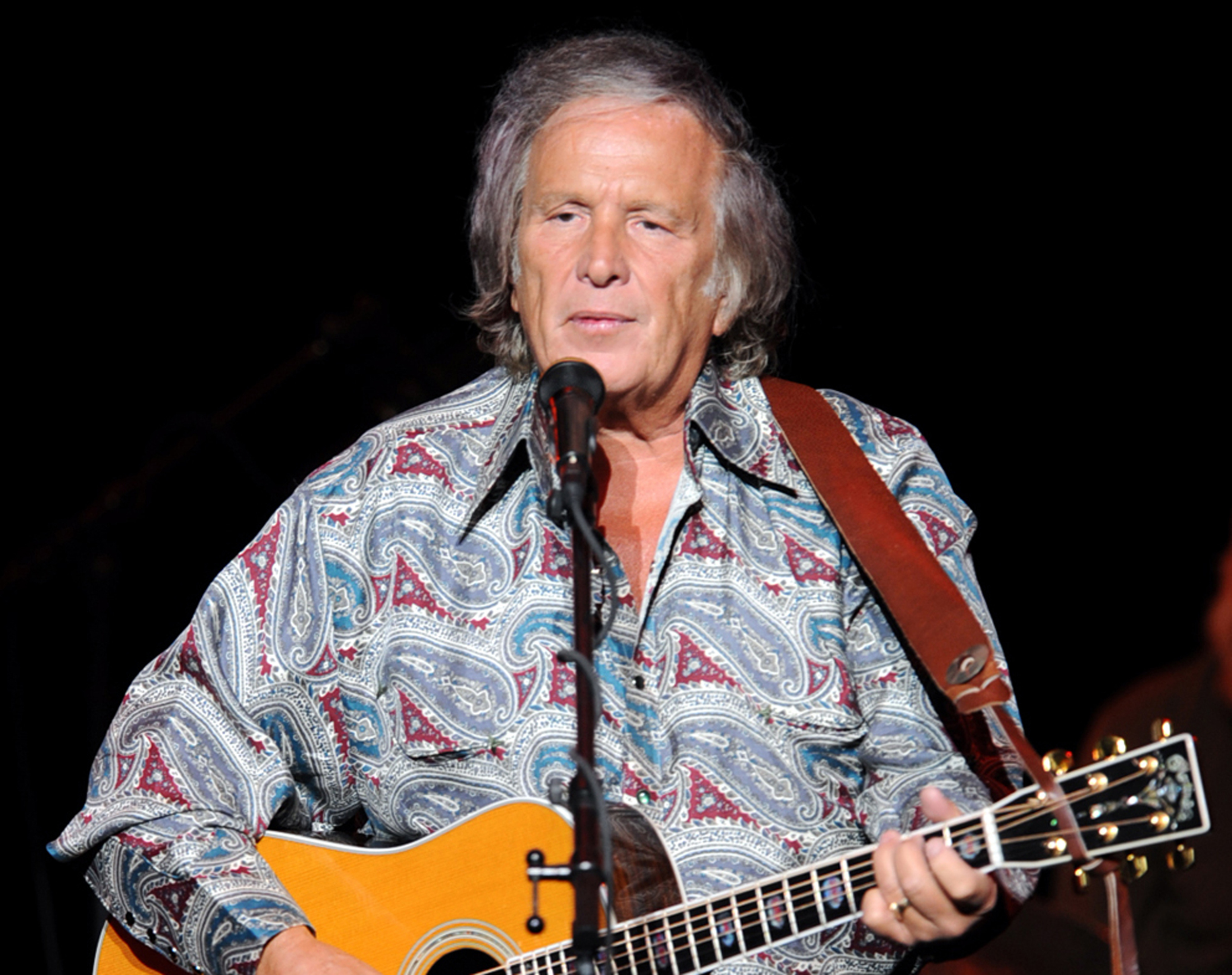
‘American Pie’ Hits #1 On Billboard Charts 50 Years Ago Today

From The History Channel

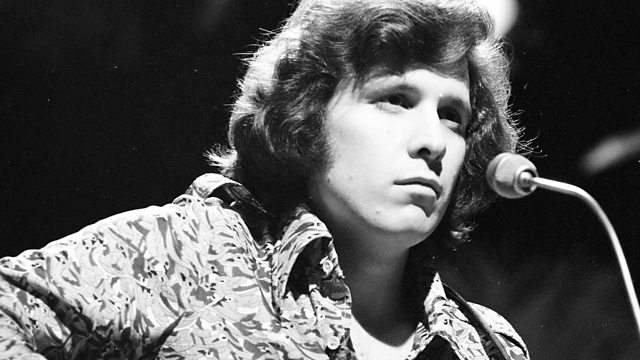
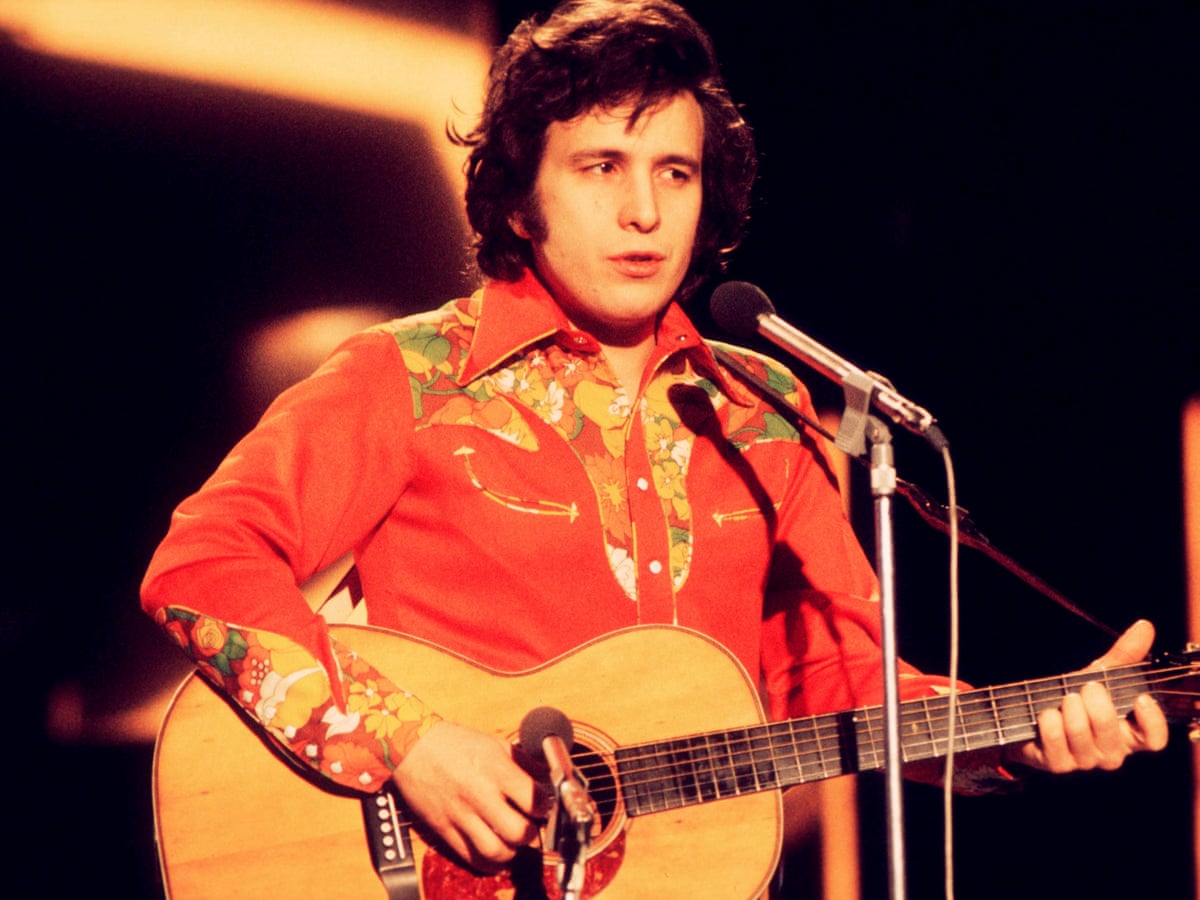
Fifty years ago today: January 15, 1972, “American Pie,”, an epic poem in musical form that has long been etched in the American popular consciousness, hit #1 on the Billboard charts.

“The story of Don McLean’s magnum opus began almost 13 years before its release, on a date with significance well-known to any American who was alive and conscious at the time. Tuesday February 3, 1959, was the date of the plane crash that killed Buddy Holly, Ritchie Valens, and J.P. “the Big Bopper” Richardson—a date that would be imbued with transcendent meaning by Don McLean when he labeled it ‘the Day the Music Died.’

“One might reasonably point out that the baby-boom generation has since invested its entire rock-and-roll experience with transcendent meaning, but don’t blame Don McLean for starting the trend. “American Pie” wasn’t written to be a generation-defining epic; it was written simply to capture McLean’s view of ‘America as I was seeing it and how I was fantasizing it might become.’

“When asked to explain what exactly he was trying to say with some of his more ambiguous lyrics, McLean generally declined. Many others applied themselves to the task, however, and even today the Internet bristles with exhaustively reasoned interpretations of “American Pie” and its web of lyrical references to the youth culture of the 1950s and 60s. The meaning of the Stolen Crown and Marching Band may be of interest only to the most obsessive of baby boomers, but almost all of us know the chorus of “American Pie” better than we know our own national anthem, and the chances are good that our great-grandchildren will, too. Which isn’t bad for a song that was written and recorded by a struggling folk singer who merely hoped that it would “earn two or three thousand dollars and make survival for another year possible.”


Explosions Kill 27 Sailors Aboard USS Enterprise 53 Years Ago Today

From The History Channel

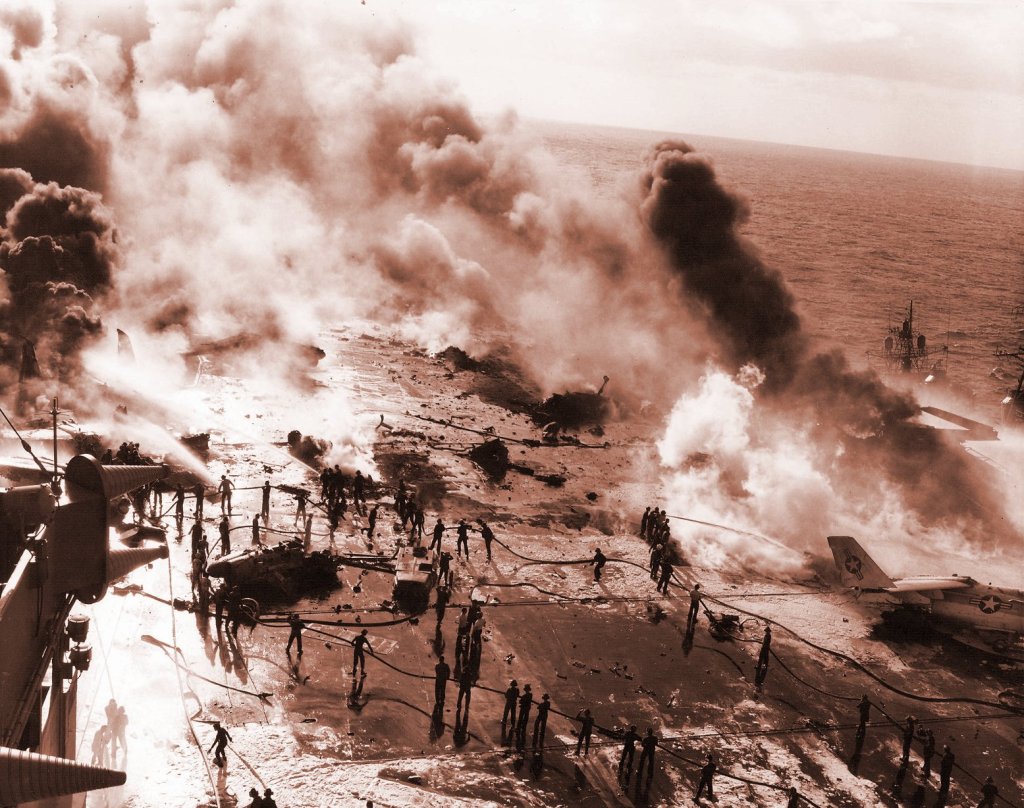
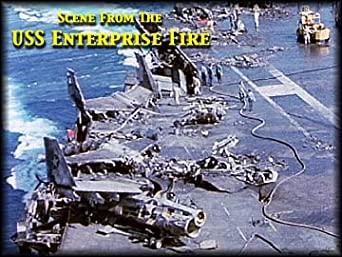
Fifty-three years ago today on January 14, 1969, 27 Sailors were killed aboard the USS ENTERPRISE (CVAN 65) when the aircraft carrier was rocked by an explosion of an onboard rocket. More than 300 others were injured in the ensuing fire.

The History Channel explained it this way:

“An explosion aboard the aircraft carrier USS ENTERPRISE killed 27 people in Pearl Harbor, Hawaii, on January 14, 1969. A rocket accidentally detonated, destroying 15 planes and injuring more than 300 people.

“…the first ever nuclear-powered aircraft carrier….”

THE HISTORY CHANNEL

“The ENTERPRISE was the first-ever nuclear-powered aircraft carrier when it was launched in 1960. It had eight nuclear reactors, six more than all subsequent nuclear carriers. The massive ship was more than 1,100 feet long and carried 4,600 crew members.

“At 8:19 a.m. on January 14, a MK-32 Zuni rocket that was loaded on an F-4 Phantom jet overheated due to the exhaust from another vehicle. The rocket blew up, setting off a chain reaction of explosions. Fires broke out across the deck of the ship, and when jet fuel flowed into the carrier’s interior, other fires were sparked. Many of the ENTERRISE’s fire-protection features failed to work properly, but the crew worked heroically and tirelessly to extinguish the fire.

“In all, 27 sailors lost their lives and another 314 were seriously injured. Although 15 aircraft (out of the 32 stationed on the ENTERPRISE at the time) were destroyed by the explosions and fire, the ENTERPRISE itself was never threatened.

“The USS ENTERPRISE was repaired over several months at Pearl Harbor and returned to action later in the year.”

The USS ENTERPRISE (CVAN 65) was the first nuclear-powered aircraft carrier and the eighth United States naval vessel to bear the name. Like her predecessor of World War II fame, she was nicknamed “Big E”.  She was inactivated December 1, 2012, and decommissioned February 3, 2017.


Rocker Ronnie Spector: Dead at 78

by HB Auld, Jr.

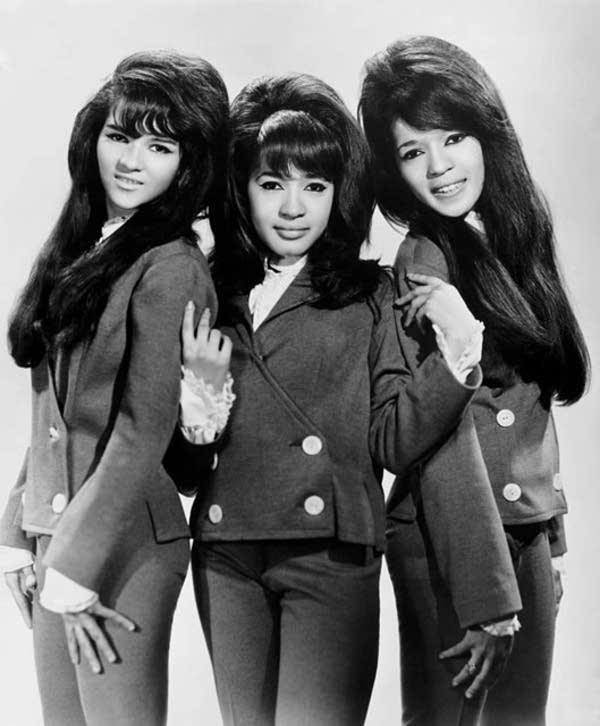
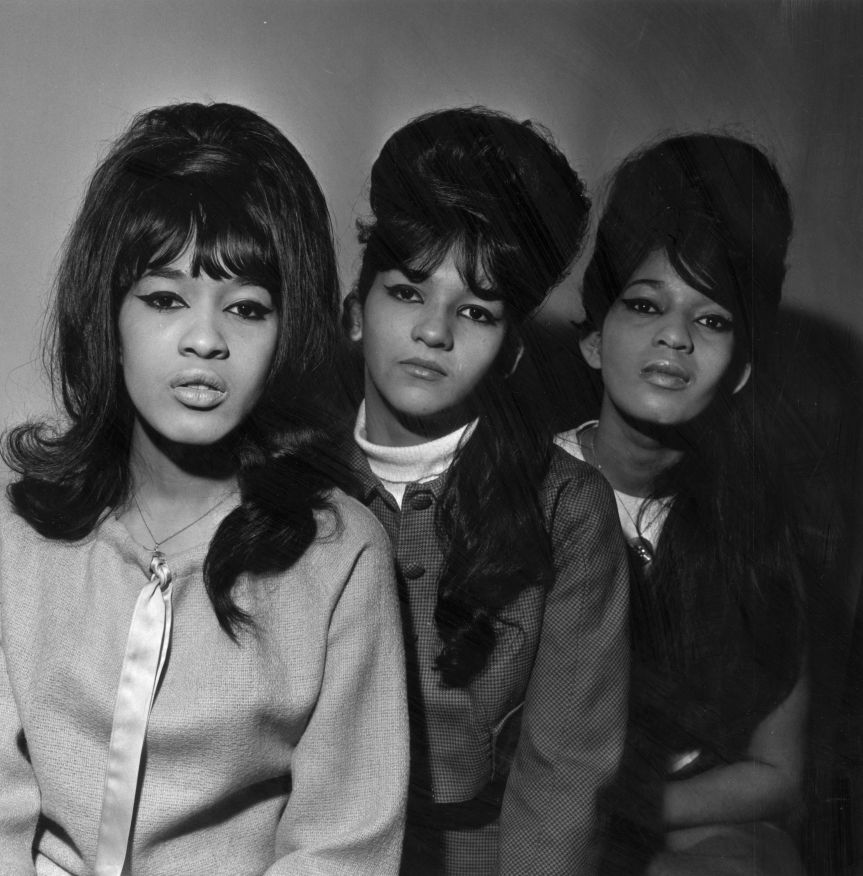
The 1960s iconic rock and roller, Ronnie Spector, lead singer of The Ronettes, died today.

Mark Kennedy of The Associated Press said it best in The Washington Post obituary: “Ronnie Spector, the cat-eyed, bee-hived rock ‘n’ roll siren who sang such 1960s hits as “Be My Baby,” “Baby I Love You” and “Walking in the Rain” as the leader of the girl group The Ronettes, has died. She was 78.

“Spector died Wednesday after a brief battle with cancer, her family said. “Ronnie lived her life with a twinkle in her eye, a spunky attitude, a wicked sense of humor and a smile on her face. She was filled with love and gratitude,” a statement said. No other details were revealed.”

Rest In Peace and thanks for all the great memories, Ronnie Spector.


My Father-in-Law, JB Kattes, Joined the US Army 80 Years Ago Today

by HB Auld, Jr.

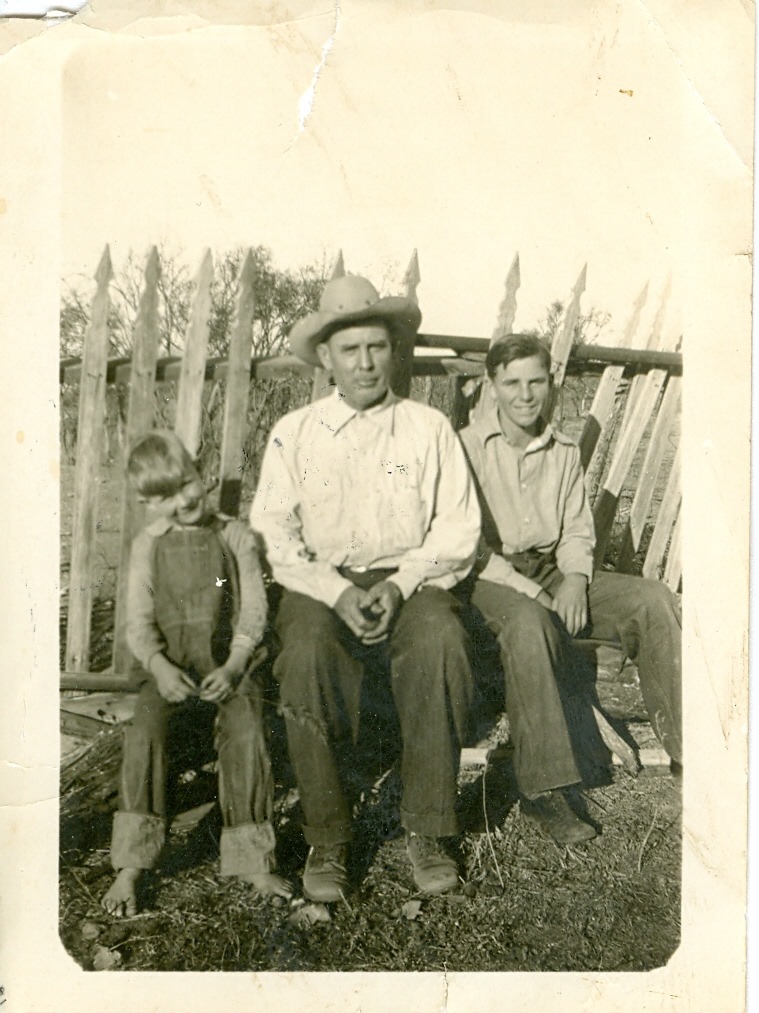
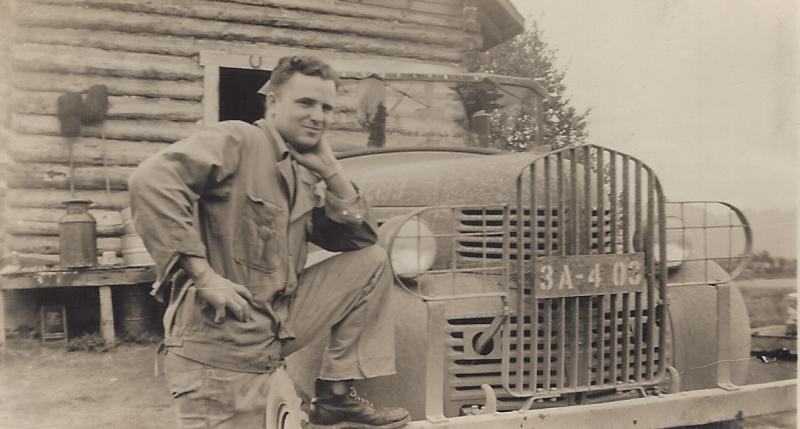
Today, December 11, 2021, is the 80th anniversary of the enlistment of my father-in-law, JB Kattes, in the US Army.  JB, at just 22 years old, left his family farm in San Saba four days after Pearl Harbor and traveled to Dallas, Texas.  There, he and other young men raised their right hands and swore “…to support and defend the Constitution of the United States against all enemies, foreign and domestic….”  He left behind his parents, his three older sisters, a younger sister and a younger brother (Hugh Kattes, who would also serve later) 80 years ago today.

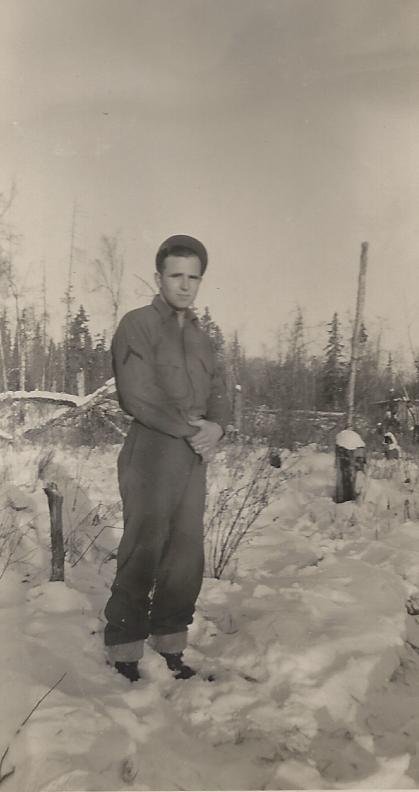
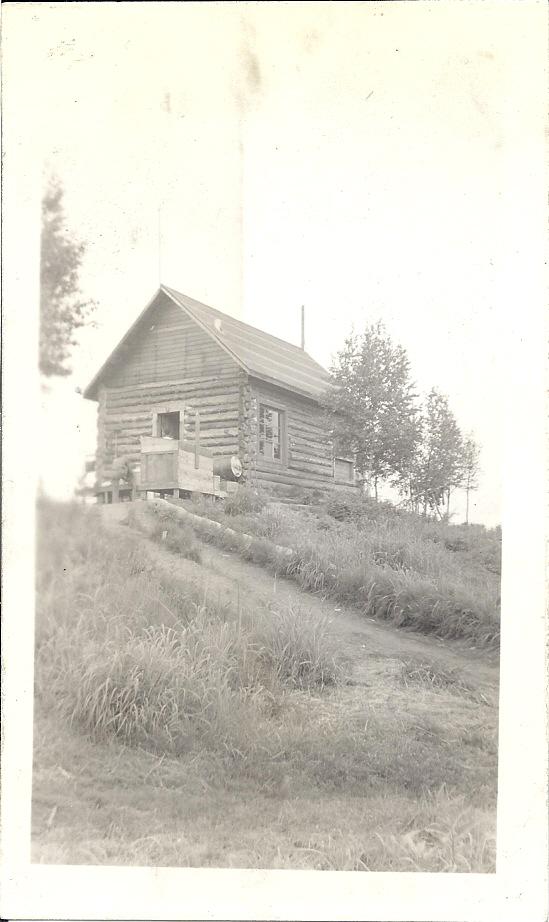
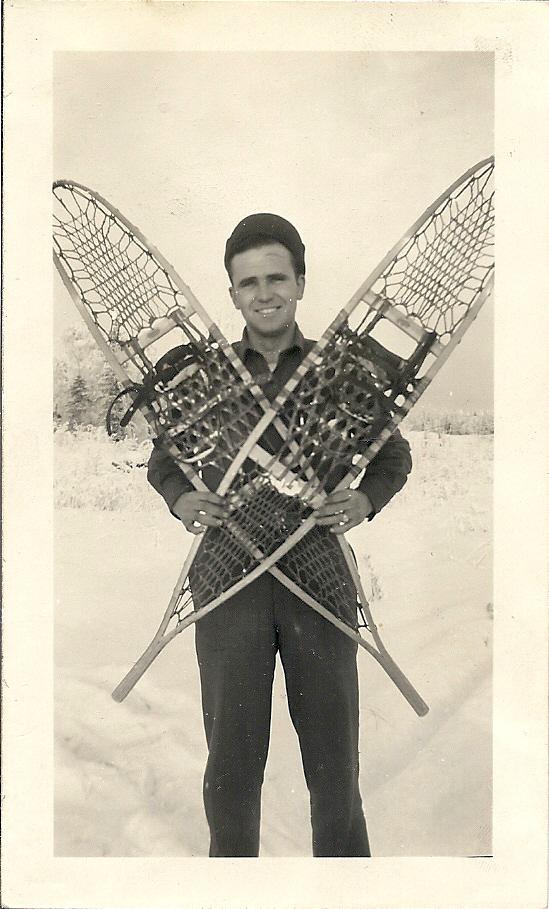
Like other young men across the US, JB joined the US Army to fight against Imperial Japan after Japan’s attack on Pearl Harbor.  He and many others headed for Camp Roberts, California, the military’s largest Army training facility in the US.  There, he and thousands of other new enlistees underwent 17 weeks of military training, learning how to be Soldiers, before heading overseas.  My own father, HB Auld, Sr, had undergone his own 17 weeks of training there at Camp Roberts just seven months before JB did, back in May of 1941.  Both he and JB went from Camp Roberts to Fort Lewis, Washington, for further processing and training for Pacific Theater operations.  JB and his fellow Soldiers were sent on to the US Territory of Alaska (18 years before it became a US state); my dad headed off to fight in New Guinea.

“…Jennie mailed him a small wooden washboard….”

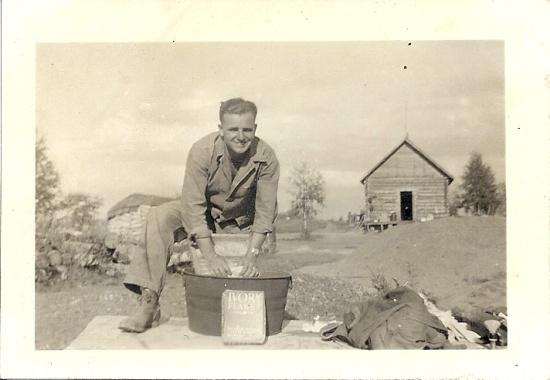
JB spent the first part of World War II at Elmendorf Base at Anchorage.  While there, he advanced to Sergeant.  He and his men lived in ramshackle, cold, wooden buildings and he washed his clothes in a wash tub.  He wrote to his sweetheart, Jennie Alford, and told her how hard conditions were there.  Jennie mailed him a small wooden wash board to scrub his uniforms and make washing his clothes a little easier.  JB said he “rented” his washboard out to other Soldiers for a quarter each.  That little washboard memento now hangs on the wall of his daughter, Susan Jones, in her home.

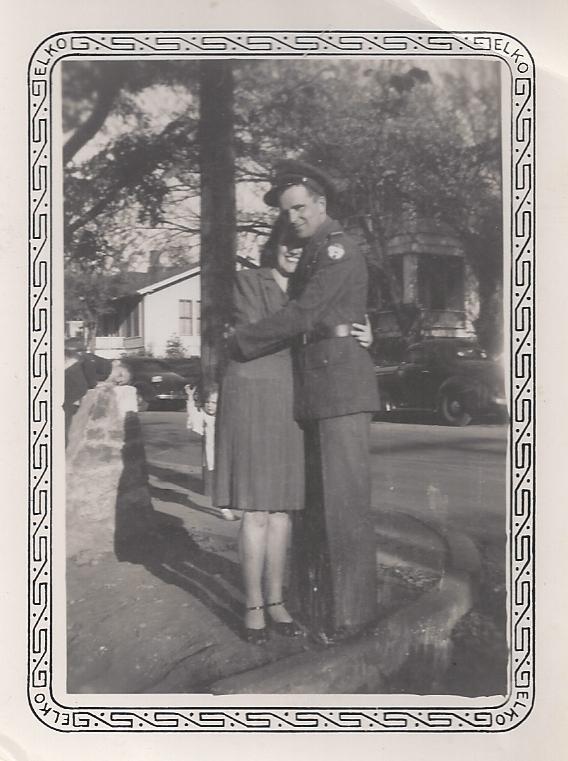
From Anchorage, JB transferred to Fort Benning, Georgia, to train Army Airborne officers.  While stationed in Georgia, he went back to Texas on leave and married Jennie Alford, then took her back to Georgia with him.  My wife, Jannie, was born 11 months later, just before World War II ended.

Thank you, US Army Sergeant JB Kattes, and all the other brave men of The Greatest Generation who served in World War II to ensure we live in freedom from tyranny today.  JB’s Army enlistment began 80 years ago today.  God bless him and God bless America.