Jeopardy! Streak Ends 19 Years Ago

by HB Auld, Jr.

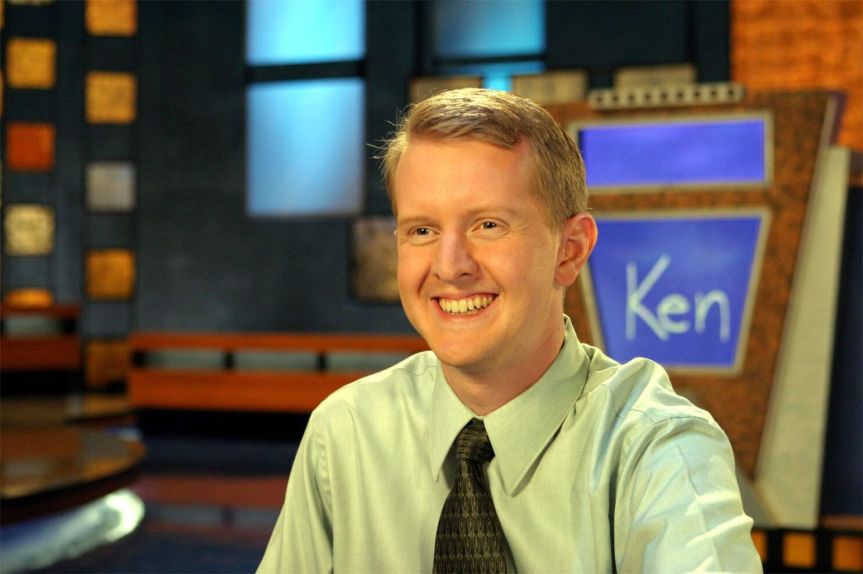
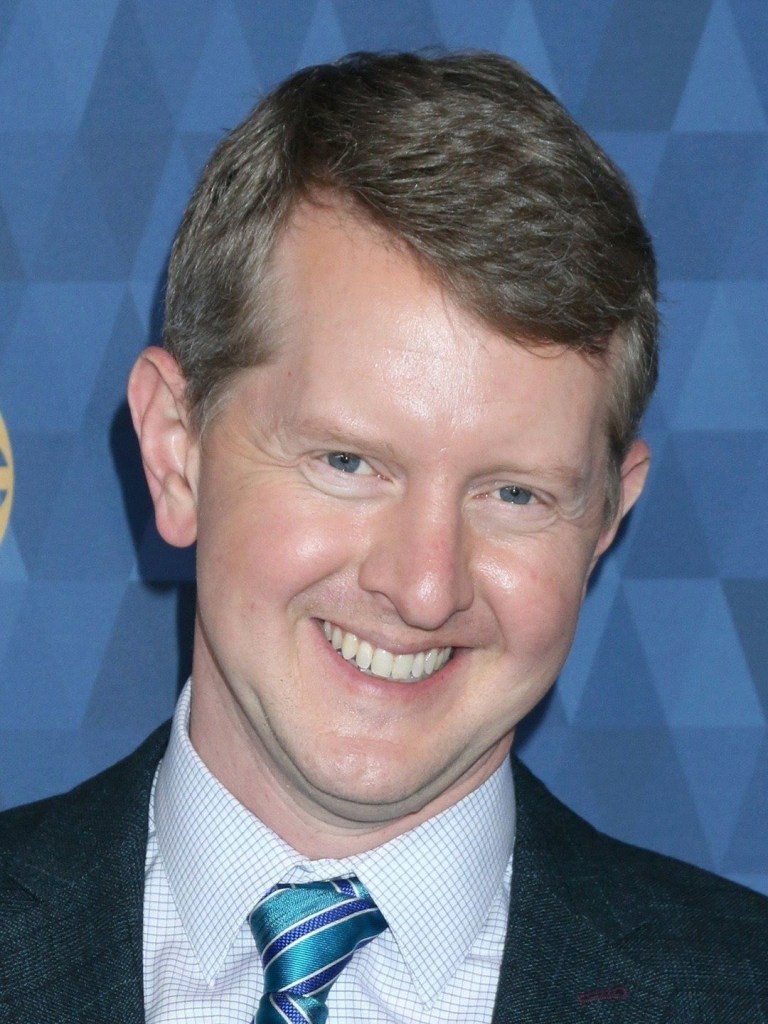
Nineteen years ago today on November 30, 2004, the longest running streak in Jeopardy! history ended. Ken Jennings answered the Final Jeopardy! question incorrectly, ending his 74-game winning streak. During that streak, he amassed $2.5 million dollars in winnings.

Ken Jennings’ record streak ran from June 2 to November 30, 2004. He was defeated by Nancy Zerg who was then defeated the next day. In his 75th and final game, Ken answered “Fed-Ex” to Nancy’s correct answer of “H&R Block.”

Forty-nine year old Jennings ascended to Jeopardy! host duties after long-time host Alex Trebek died of pancreatic cancer November 8, 2020.


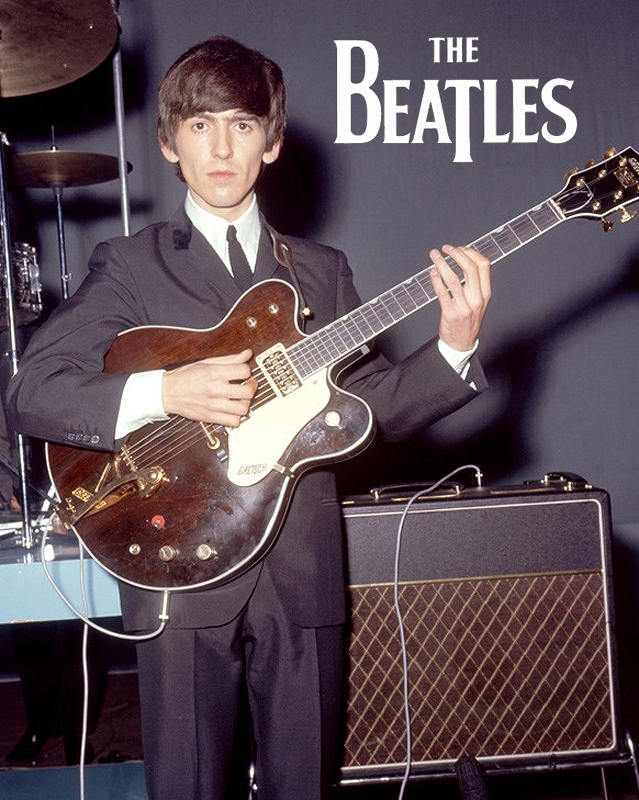
Beatle George Harrison Died 22 Years Ago on November 29, 2001

by HB Auld, Jr, (reprinted from this blog, November 29, 2021)

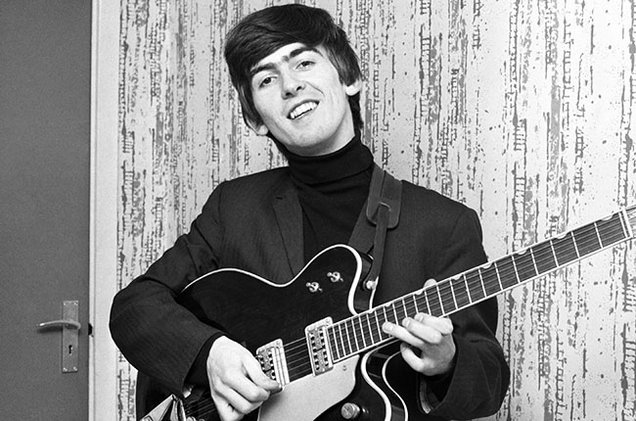
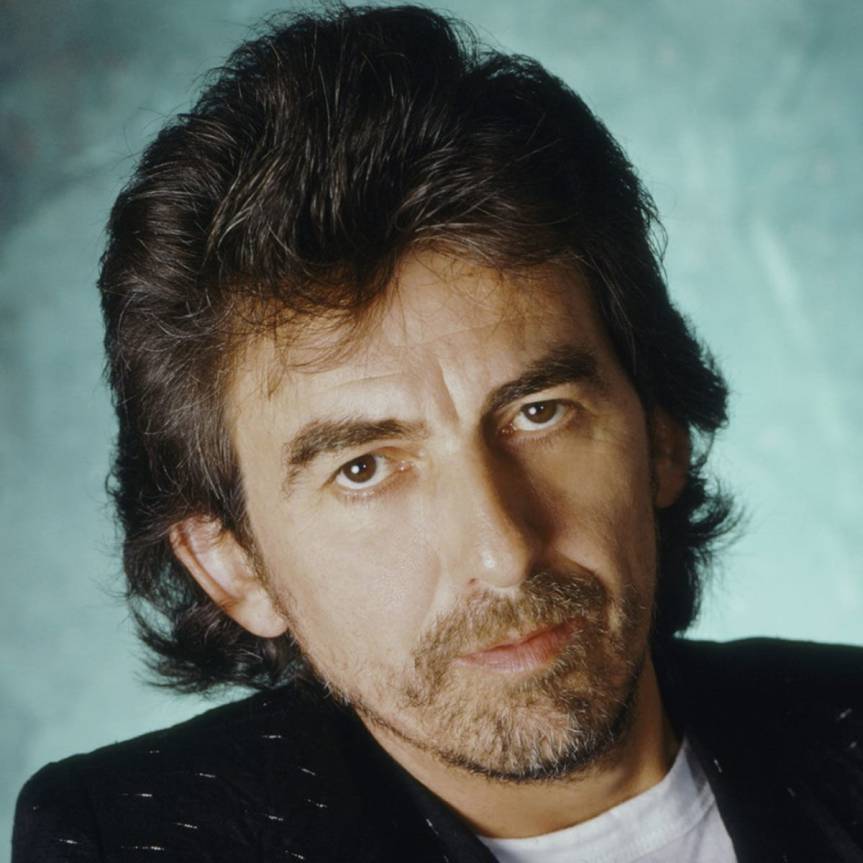
Remembering “the quiet Beetle,” George Harrison who died 22 years ago today, November 29, 2001, of non-small cell lung cancer which spread to his brain. George Harrison was 58 years old.

George Harrison was born in Liverpool, England, on February 25, 1943. He met Paul McCartney on a bus on the way to school and bonded over music. Later, he auditioned for John Lennon with Paul who played as “The Quarrymen,” a skiffle group. John turned George down as being too young at 15. Later, he re-auditioned for John on the top of a double-decker bus. He wound up playing for The Quarrymen as a guitar fill-in when needed.

When The Beatles broke up in 1970, George Harrison released his “All Things Must Pass” album, which included his hit single, “My Sweet Lord.” George was sued by The Chifons in 1971, claiming his My Sweet Lord was plagiarized from their “He’s So Fine.” George denied consciously plagiarizing their hit, but lost in US court when the judge judge ruled that he had done so subconsciously.

In 1971, George joined Ravi Shankar in the live The Concert for Bangladesh at Madison Square Garden to raise money and awareness for the starving refugees of the Bangladesh Liberation War.

In 1988, George formed The Traveling Wilburys with Jeff Lynne, Roy Orbison, Bob Dylan and Tom Petty and recorded “Traveling Wilburys Vol. 1.” After Roy Orbison’s death in 1988, the group recorded their second album as a quartet. George came up with the prank idea to name it “Traveling Wilburys Vol. 3.” just “…to confuse the buggers.”

George and his wife, Olivia, were attacked in their home in Friar Park on December 30, 1999, by Michael Abram, a 34-year old suffering from mental illness. George was stabbed 40 times, including once which punctured his lung. Abrams later expressed remorse for the attack.

In May, 2001, George underwent lung surgery to remove a cancerous growth from one of his lungs/ In November 2001, he began radiotherapy at Staten Island University Hospital in New York City for non-small cell lung cancer that had spread to his brain. When the news was made public, Harrison lamented his physician’s breach of his privacy, and his estate later claimed damages.

George Harrison died on private property belonging to Paul McCartney on Heather Road in Beverly Hills, Los Angeles, CA. At his death, he was surrounded by his wife, Olivia; his son, Dhani; his friend, Ravi Shankar; and others. After George died, his ashes were scattered, according to Hindu tradition, by his close family in a private ceremony in the Ganges and Yamunba Rivers near Varanasi, India.

His final words before he died were to Olivia and Dhani: “Everything else can wait, but the search for God cannot wait, and love one another.”


President John Fitzgerald Kennedy Assassinated 60 Years Ago Today

by H. B. Auld, Jr.

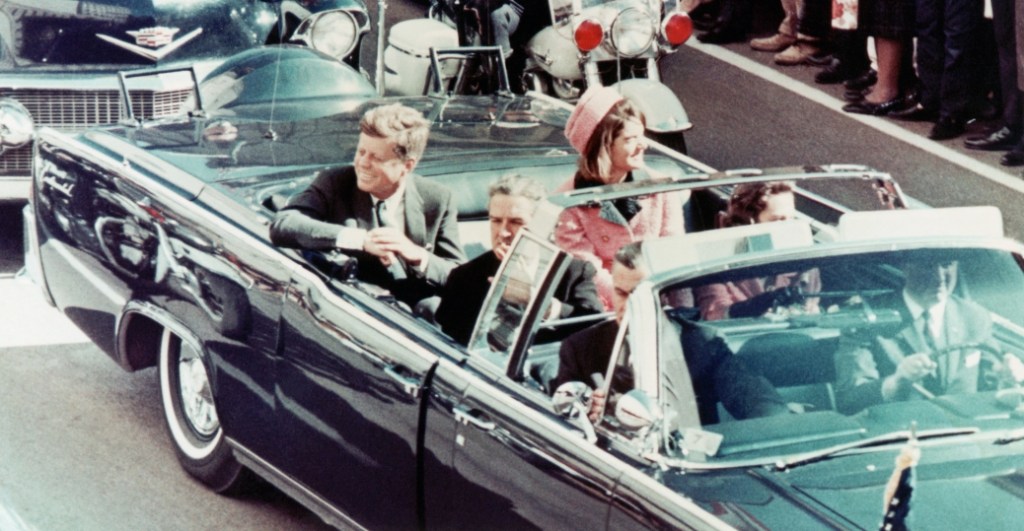
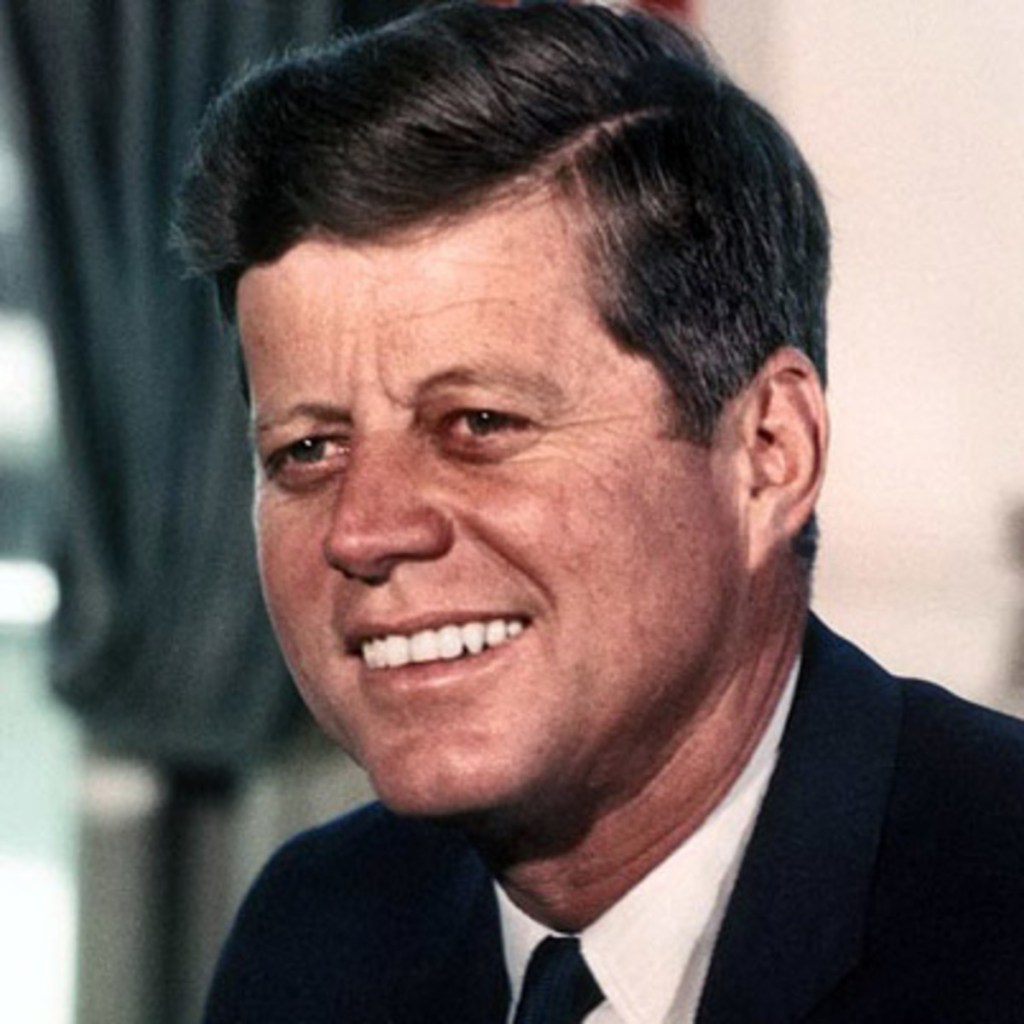
Sixty years ago today at approximately 1:00 p.m., CST, on Friday November 22, 1963, we lost our 35th President of the United States, President John F. Kennedy, to an assassin’s bullets.  He was shot shortly after noon, allegedly by Lee Harvey Oswald, as the presidential motorcade passed through Dealey Plaza in Dallas, Texas. 

President John Fitzgerald Kennedy and his wife of just 10 years, Jacqueline Kennedy, spent the previous night at the Texas Hotel in Fort Worth.  The following morning, President Kennedy, his wife, and a Texas delegation all exited the hotel to fly to Dallas.  A light rain was falling, but several thousand supporters were there to greet him and hear his brief remarks. 

“There are no faint hearts in Fort Worth,” he began, “and I appreciate your being here this morning. Mrs. Kennedy is organizing herself. It takes longer, but, of course, she looks better than we do when she does it.”  He continued his short speech, talking about a strong defense, space issues, and continuing the growing economy. 

The Presidential Party motorcaded to Carswell Air Force Base, where they flew to Love Field in Dallas, thirteen minutes away.  Arriving at Love Field, the President and First Lady went to the fence and greeted well-wishers, shaking several hands.

The rain stopped and the delegation decided to remove the plastic bubble top for the trip through Dallas to the Trade Mart where the President was scheduled to speak at a luncheon there. 

President Kennedy was struck in his neck and his head.

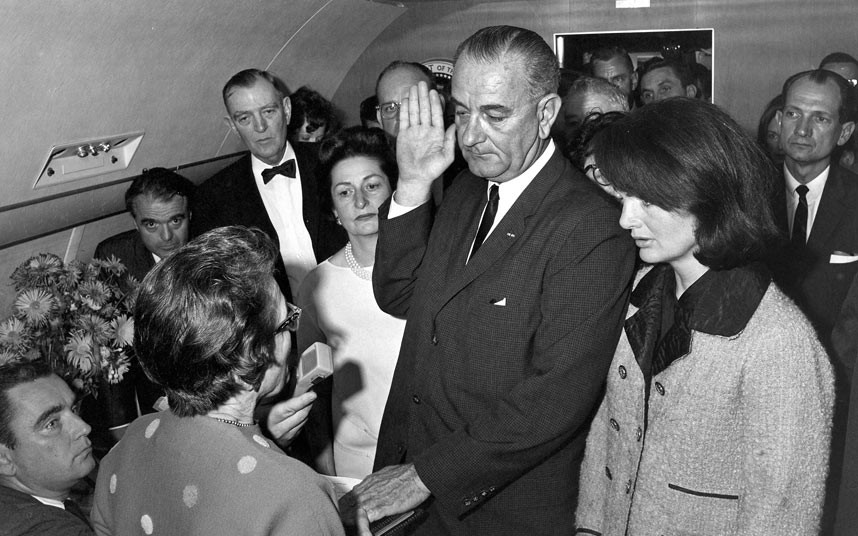
Making its way through Dallas, the motorcade turned from Main Street into Dealy Plaza.  As it drove past the Texas School Book Depository on their right, gunshots rang out.  President Kennedy was struck in his neck and his head.  He slumped toward his wife.  Texas Governor John Connally, a passenger in the President’s limousine, was struck by a bullet in his back.  The motorcade immediately sped away to the closest hospital, Parkland Memorial Hospital, which was just 12 minutes away.  Renowned surgeon, Dr. Robert N. McClelland, worked to revive the stricken president, to no avail.  A Catholic priest entered Trauma Room Three and administered the Last Rites to President Kennedy, who was pronounced dead at 1:00 p.m.  Vice-President Lyndon Baines Johnson, known to his friends as “LBJ,” assumed the presidency when Dallas Judge Sarah T. Hughes administered the Oath of Office aboard Air Force One as LBJ’s wife, Lady Bird Johnson, and JFK’s widow, Jacqueline Bouvier Kennedy, looked on.  Soon afterward, LBJ, the 36th President of the United States, flew back to Andrews Air Force Base in Maryland, with Air Force One carrying the body of President John F. Kennedy in a casket in the belly of the aircraft.

President John F. Kennedy’s accused assassin, Lee Harvey Oswald, was himself killed 48 hours later on Sunday as he was being transferred from police headquarters to the Dallas County Jail. 

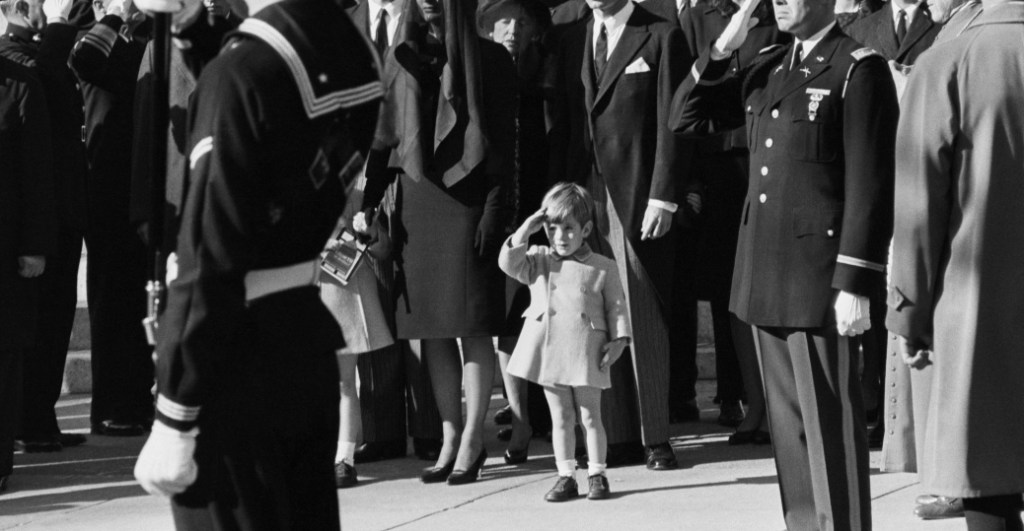
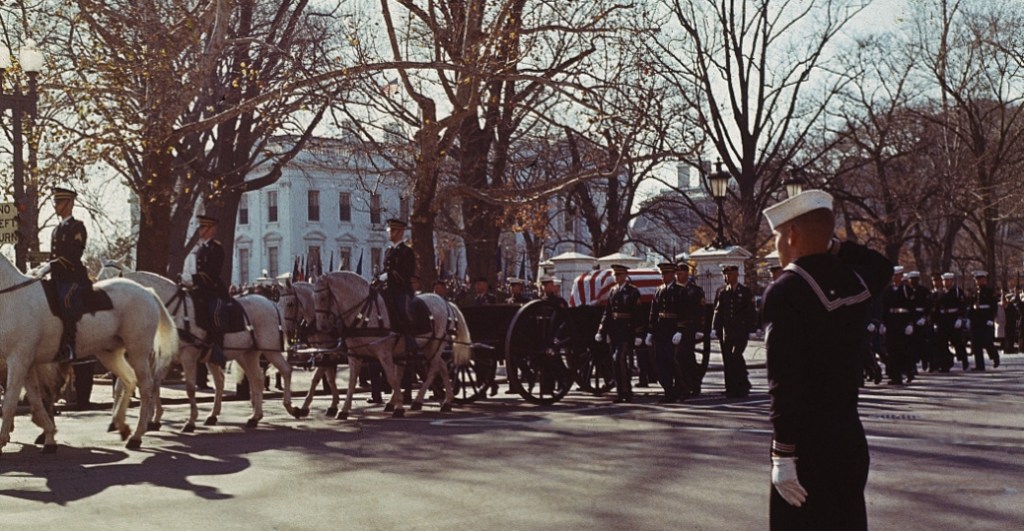
The late President John F. Kennedy was buried with full military honors at Arlington National Cemetery the next day, Monday, November 25, 1963.

The end of the John F. Kennedy Camelot Era brought with it a beginning of some darker times: more assassinations, including his brother Bobby and Dr. Martin Luther King, Jr; the Vietnam War; Watergate; a presidential resignation; 9/11; and more. But it also brought forth times in the sunlight: the Paris Peace Accord, the Ronald Reagan Presidency, the fall of the Berlin Wall, and much more.

Rest In Peace, John Fitzgerald Kennedy.


Gettysburg Address: 160 Years Old

by H. B. Auld, Jr.

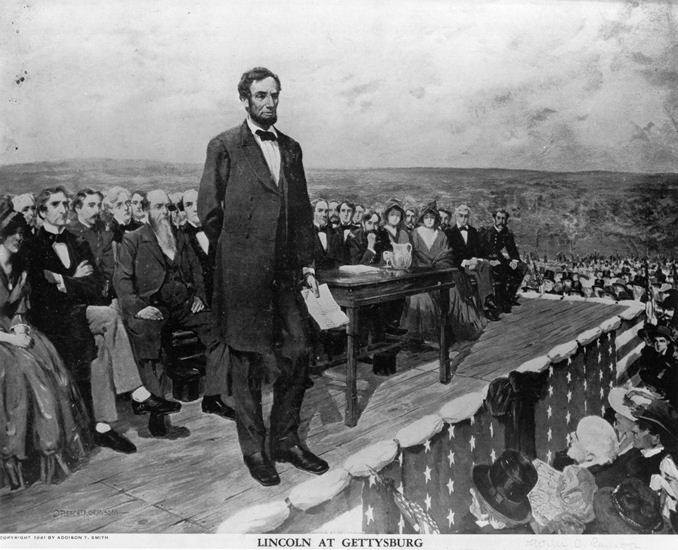
Sunday, November 19, 2023, was the 160th anniversary of The Gettysburg Address, delivered by President of the United States, Abraham Lincoln. The famous address by the 16th President of the United States was given on November 19, 1863, to consecrate the newly designated National Cemetery at Gettysburg, PA. 

One of the most famous battles of the Civil War, the Battle of Gettysburg, was fought just four months earlier: July 1 – 3, 1863.  This three-day battle left almost 8,000 men from both sides dead and laying in the fields at the little town of just 2,500 people.  Faced with quickly disposing of the dead, a designation of a national cemetery outside the little town was quickly put together and dignitaries were invited to speak at its dedication.  The main speaker was to be a great orator of the time, Edward Everett, who spoke for two hours that day.  President Lincoln, whose invitation was almost an afterthought since it was believed he would not attend, spoke for just two minutes, giving a 272-word speech that has lasted the ages and is considered one of the most famous speeches ever given by anyone.

In addition to the more than 3,500 Union soldiers buried there, the cemetery contains the remains of American soldiers and dependents from the Civil War to the Vietnam Conflict.

According to the www.abrahamlincolnonline.org website, “There are five known copies of the speech in Lincoln’s handwriting, each with a slightly different text, and named for the people who first received them:  Nicolay, Hay, Everett, Bancroft, and Bliss.  Two copies apparently were written before delivering the speech, one of which probably was the “reading copy.”  The remaining ones were produced months later for soldier benefit events.  Despite widely circulated stories to the contrary, the President did not dash off a copy aboard a train to Gettysburg.  Lincoln carefully prepared all his major speeches in advance; his steady, even script in every manuscript is consistent with a firm writing surface, not the notoriously bumpy Civil War-era trains.  Additional versions of the speech appeared in newspapers of the era, feeding modern-day confusion about the authoritative text.

Bliss Copy

“Ever since Lincoln wrote it in 1863, this version has been the most often reproduced, notably on the walls of the Lincoln Memorial in Washington. It is named after Colonel Alexander Bliss, stepson of historian George Bancroft. Bancroft asked President Lincoln for a copy to use as a fundraiser for soldiers. However, because Lincoln wrote on both sides of the paper, the speech could not be reprinted, so Lincoln made another copy at Bliss’s request. It is the last known copy written by Lincoln and the only one signed and dated by him. Today it is on display in the Lincoln Room of the White House.”

The Bliss Copy of the Gettysburg Address:

Four score and seven years ago our fathers brought forth on this continent, a new nation, conceived in Liberty, and dedicated to the proposition that all men are created equal.

Now we are engaged in a great civil war, testing whether that nation, or any nation so conceived and so dedicated, can long endure. We are met on a great battle-field of that war. We have come to dedicate a portion of that field, as a final resting place for those who here gave their lives that that nation might live. It is altogether fitting and proper that we should do this.

But, in a larger sense, we can not dedicate — we can not consecrate — we can not hallow — this ground. The brave men, living and dead, who struggled here, have consecrated it, far above our poor power to add or detract. The world will little note, nor long remember what we say here, but it can never forget what they did here. It is for us the living, rather, to be dedicated here to the unfinished work which they who fought here have thus far so nobly advanced. It is rather for us to be here dedicated to the great task remaining before us — that from these honored dead we take increased devotion to that cause for which they gave the last full measure of devotion — that we here highly resolve that these dead shall not have died in vain — that this nation, under God, shall have a new birth of freedom — and that government of the people, by the people, for the people, shall not perish from the earth.

Abraham Lincoln
“November 19, 1863