Sixty Years Ago Today: MLK Gave his Famous ‘I Have a Dream’ Speech

by H. B. Auld, Jr.

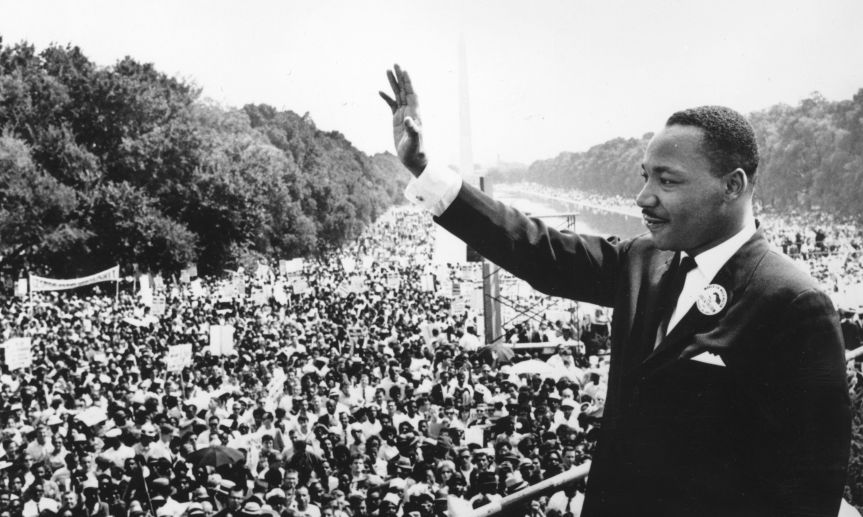
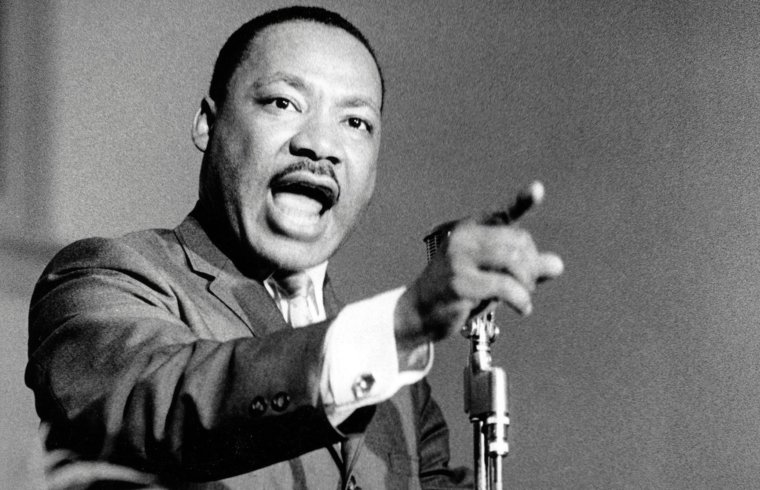
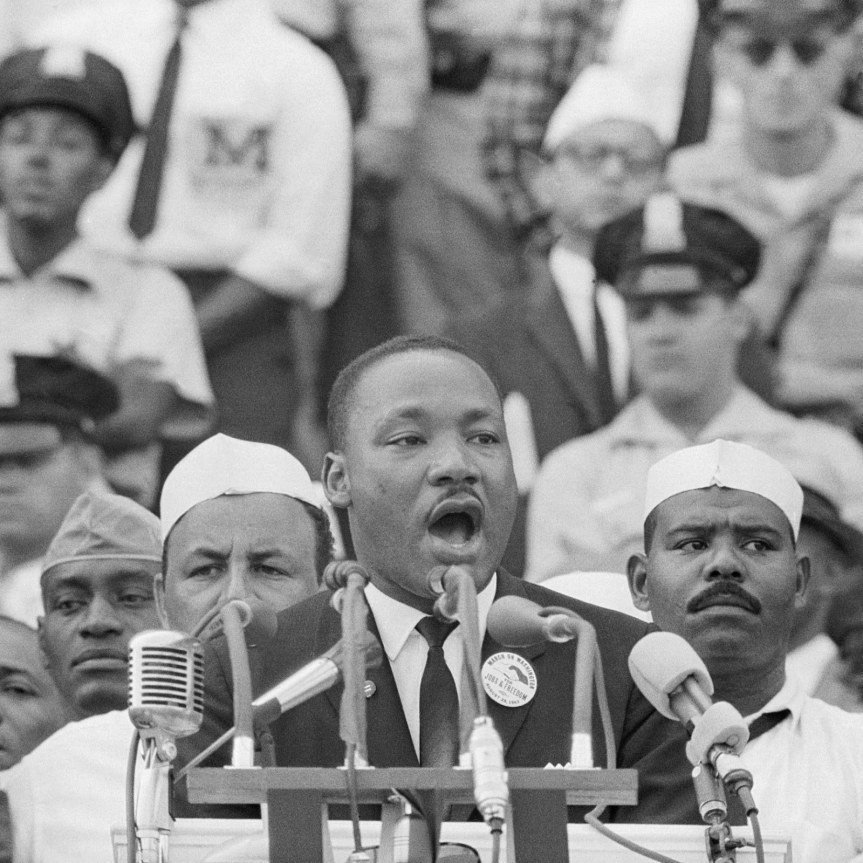
Sixty years ago today, August 28, 1963, the Reverend Martin Luther King, Jr., delivered a speech to a crowd of civil rights marchers at the Lincoln Memorial in Washington, D.C.  That speech became famously known as the “I Have a Dream” speech, due to its repetitive refrain:

“I have a dream that one day on the red hills of Georgia, the sons of former slaves and the sons of former slave owners will be able to sit down together at the table of brotherhood.

“I have a dream that one day even the state of Mississippi, a state sweltering with the heat of injustice, sweltering with the heat of oppression, will be transformed into an oasis of freedom and justice.

“I have a dream that my four little children will one day live in a nation where they will not be judged by the color of their skin but by the content of their character. I have a dream today.

“I have a dream that one day down in Alabama with its vicious racists, with its governor having his lips dripping with the words of interposition and nullification, one day right down in Alabama little Black boys and Black girls will be able to join hands with little white boys and white girls as sisters and brothers. I have a dream today.

‘Free at Last. Free at Last. Thank God Almighty, we are Free at Last.’

Martin Luther King, Jr.’s “I Have a Dream” Speech

“I have a dream that one day every valley shall be exalted, every hill and mountain shall be made low, the rough places will be made plain, and the crooked places will be made straight, and the glory of the Lord shall be revealed, and all flesh shall see it together.”

Just 17 minutes after it began, his great oration ends: 

“And when this happens, and when we allow freedom ring, when we let it ring from every village and every hamlet, from every state and every city, we will be able to speed up that day when all of God’s children, Black men and white men, Jews and Gentiles, Protestants and Catholics, will be able to join hands and sing in the words of the old Negro spiritual: Free at last. Free at last. Thank God Almighty, we are free at last.”

The official name for this march on Washington was: “March on Washington for Jobs and Freedom.” More than a quarter of a million people gathered at the foot of the Lincoln Memorial to hear this paramount push for social and racial equality.
The Day ‘Rock and Roll’ Was Born

by H. B. Auld, Jr.

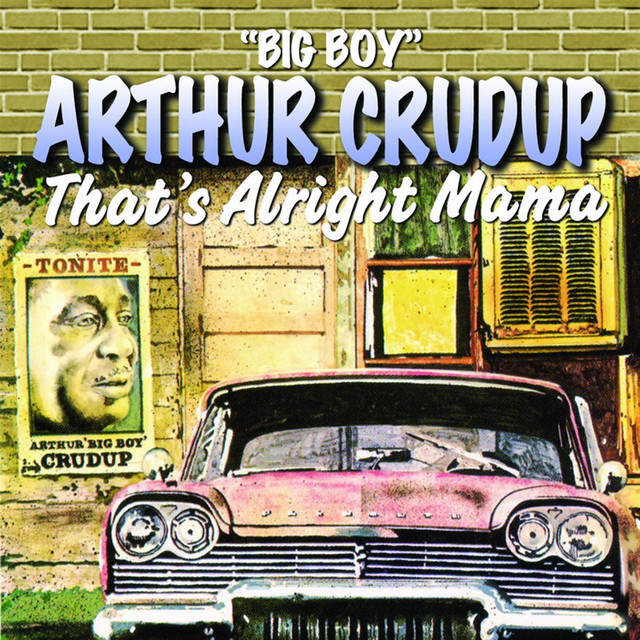
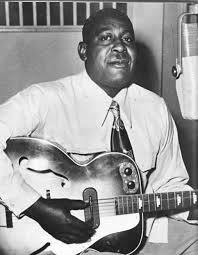
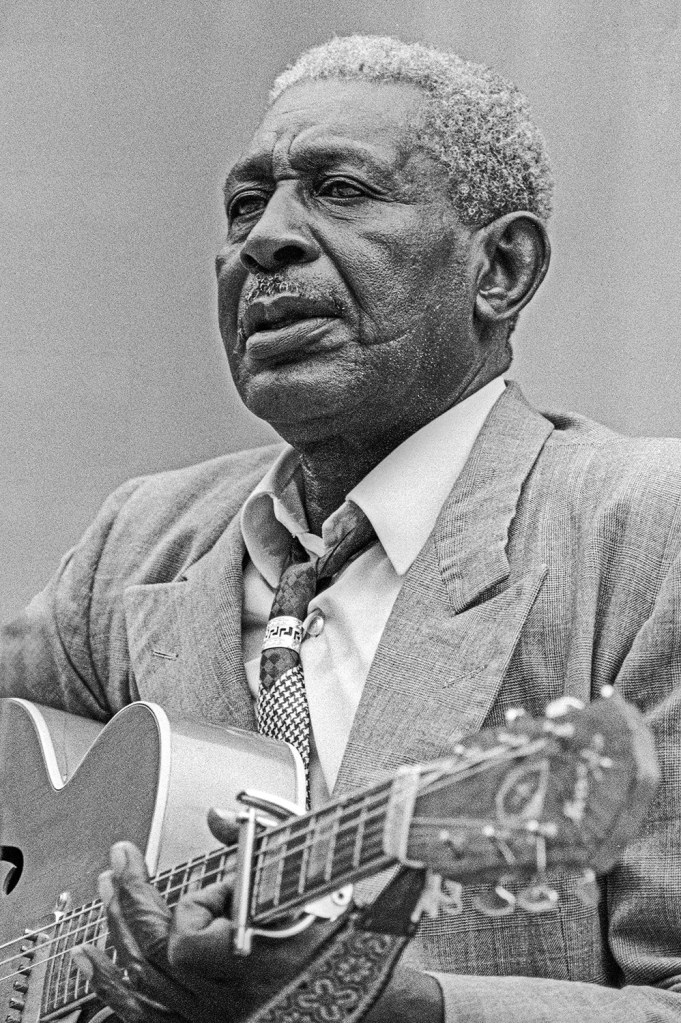
Today is a special day in rock and roll history. Today is the anniversary of the birth of blues musician Arthur “Big Boy” Crudup. Not familiar with the name? He wrote and recorded the song that eventually started the career of the biggest rock and roll star in history.

Arthur “Big Boy” Crudup was born August 24, 1905, in Forest, MS (Some sources say he was born August 25th). He died in Nassawadox, VA, March 28, 1974, at the age of 68 years. Arthur recorded the song “That’s All Right (Mama)” in 1946. Eight years later that song started the career of Elvis Presley when he re-recorded that old blues number on July 5, 1954, in Sam Phillips’ Sun studio in Memphis.

Elvis’ version was released under Arthur’s original title, “That’s All Right,” and lists the record’s performers as Elvis, Scotty (Moore,) and Bill (Black). The Presley version was twice as fast as Arthur’s version and is considered by some as one of the first rock and roll records. It was released on July 19, 1954, with “Blue Moon of Kentucky” on the flip or “B” Side.

Arthur’s “That’s All Right” went on to be recorded by many other artists, but he claimed he never made a dime in royalties from the song.

Arthur “Big Boy” Crudup’s original 1946 slower version.
Elvis Presley’s faster version, recorded July 5, 1954, in Sun Studios in Memphis.

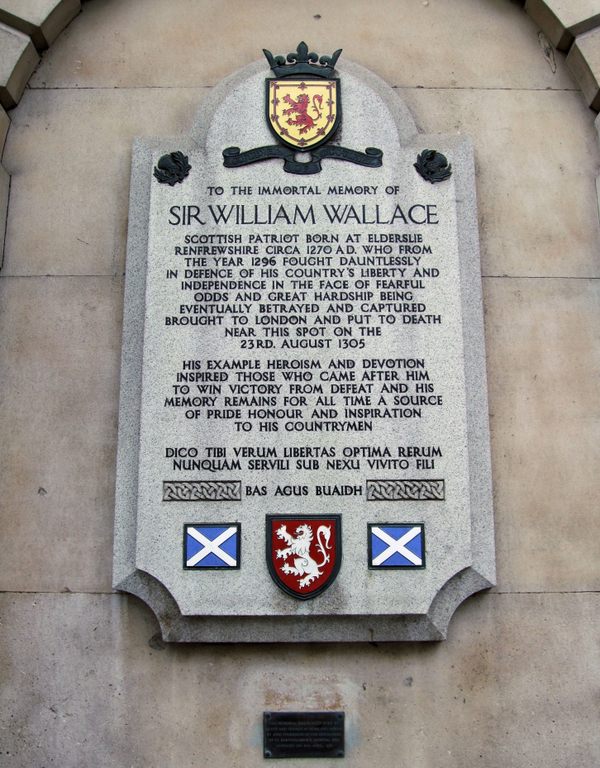
William Wallace Captured in 1305

Reprinted from The Society of John De Graeme

SIR WILLIAM WALLACE CAPTURED ON AUGUST 3rd IN 1305

Sir William Wallace former Guardian of Scotland and high protector of the realm is betrayed and captured at Robroyston near Glasgow.

Sir John De Menteith Sheriff of Dumbarton a Scottish Knight sworn to King Edwards of England it is believed was informed of Wallace’s exact location from Wallace’s servant Jack Short and crept up on Wallace under cover of night.

Wallace was seized in his bed and dragged to Dunbarton Castle where he was handed over to the English and marched to London.

Wallace’s sword remained at Dumbarton Castle.

Sir John De Menteith was branded a traitor and styled as Fause Menteith (“Menteith the treacherous, false”).

Menteith would however play a bigger part in Scotland’s fight for its sovereignty, but he would never shake off his brand as a traitor.

Robroyston is located just outside Glasgow and the site of Wallace’s capture is now marked by a Gigantic Celtic Cross.

Not far from this cross is an old well.

It is said that Sir William Wallace took his last drink as a free man (And a free man he was) from the well.

Wallace’s fate was sealed, his doom awaited, and he would spend the better part of the month being dragged to London to face Edward’s cruel and sadistic plan he had in store for Wallace.


The Youngest Union Soldier: Nine-Year Old John Lincoln ‘Johnny’ Clem

Originally posted on X by Fascinating

In May of 1861, nine-year old John Lincoln “Johnny” Clem ran away from his home in Newark, Ohio, to join the Union Army, but found the Army was not interested in signing on a nine-year old boy when the commander of the 3rd Ohio Regiment told him he “wasn’t enlisting infants,” and turned him down.

 Clem tried the 22nd Michigan Regiment next, and its commander told him the same. Determined, Clem tagged after the regiment, acted out the role of a drummer boy, and was allowed to remain. Though still not regularly enrolled, he performed camp duties and received a soldier’s pay of $13 a month, a sum collected and donated by the regiment’s officers.

 The next April, at Shiloh, Clem’s drum was smashed by an artillery round and he became a minor news item as “Johnny Shiloh, The Smallest Drummer”.


…at the Battle of Chickamauga….


A year later, at the Battle Of Chickamauga, he rode an artillery caisson to the front and wielded a musket trimmed to his size. In one of the Union retreats a Confederate officer ran after the cannon Clem rode with, and yelled, “Surrender you damned little Yankee!” Johnny shot him dead. This pluck won for Clem national attention and the name “Drummer Boy of Chickamauga.”

 Clem stayed with the Army through the war, served as a courier, and was wounded twice. Between Shiloh and Chickamauga he was regularly enrolled in the service, began receiving his own pay, and was soon-after promoted to the rank of Sergeant.

 He was only 12 years old. After the Civil War he tried to enter West Point but was turned down because of his slim education.

 A personal appeal to President Ulysses S. Grant, his commanding general at Shiloh, won him a 2nd Lieutenant’s appointment in the Regular Army on 18 December 1871, and in 1903 he attained the rank of Colonel and served as Assistant Quartermaster General.

He retired from the Army as a Major General in 1916, having served an astounding 55 years. General Clem died in San Antonio, Texas on 13 May 1937, exactly three months shy of his 86th birthday, and is buried at Arlington National Cemetery.